snack display
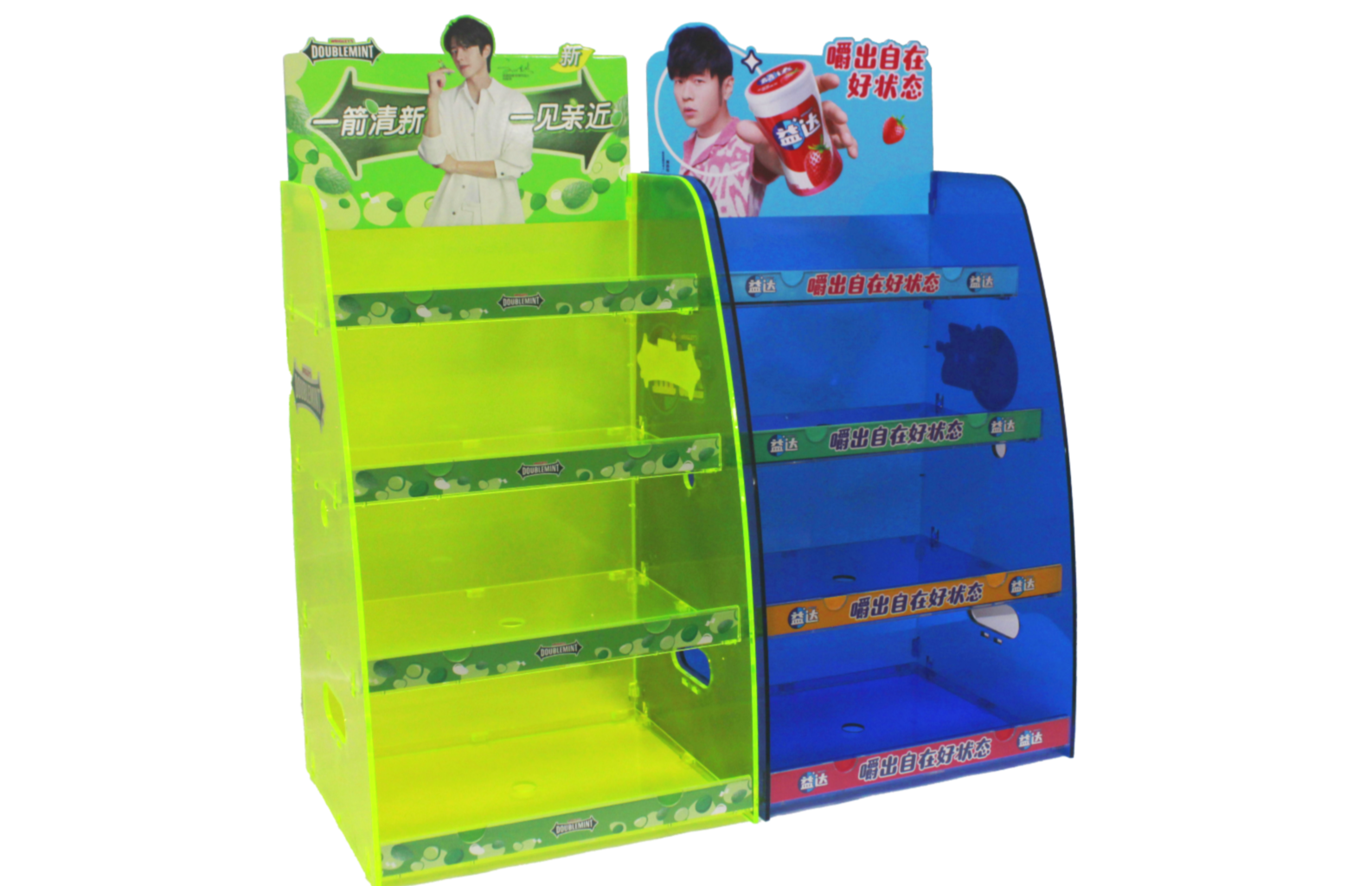
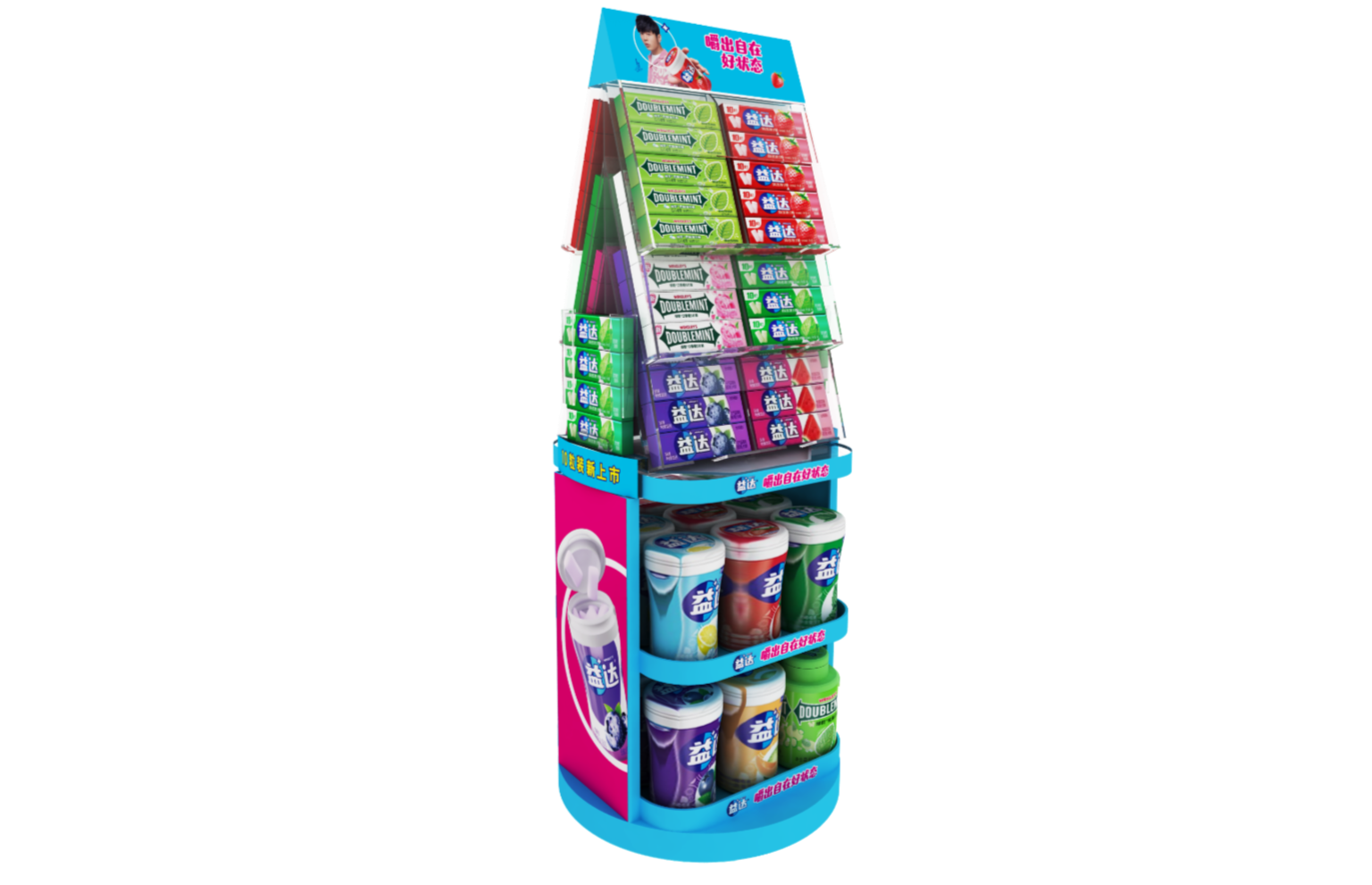
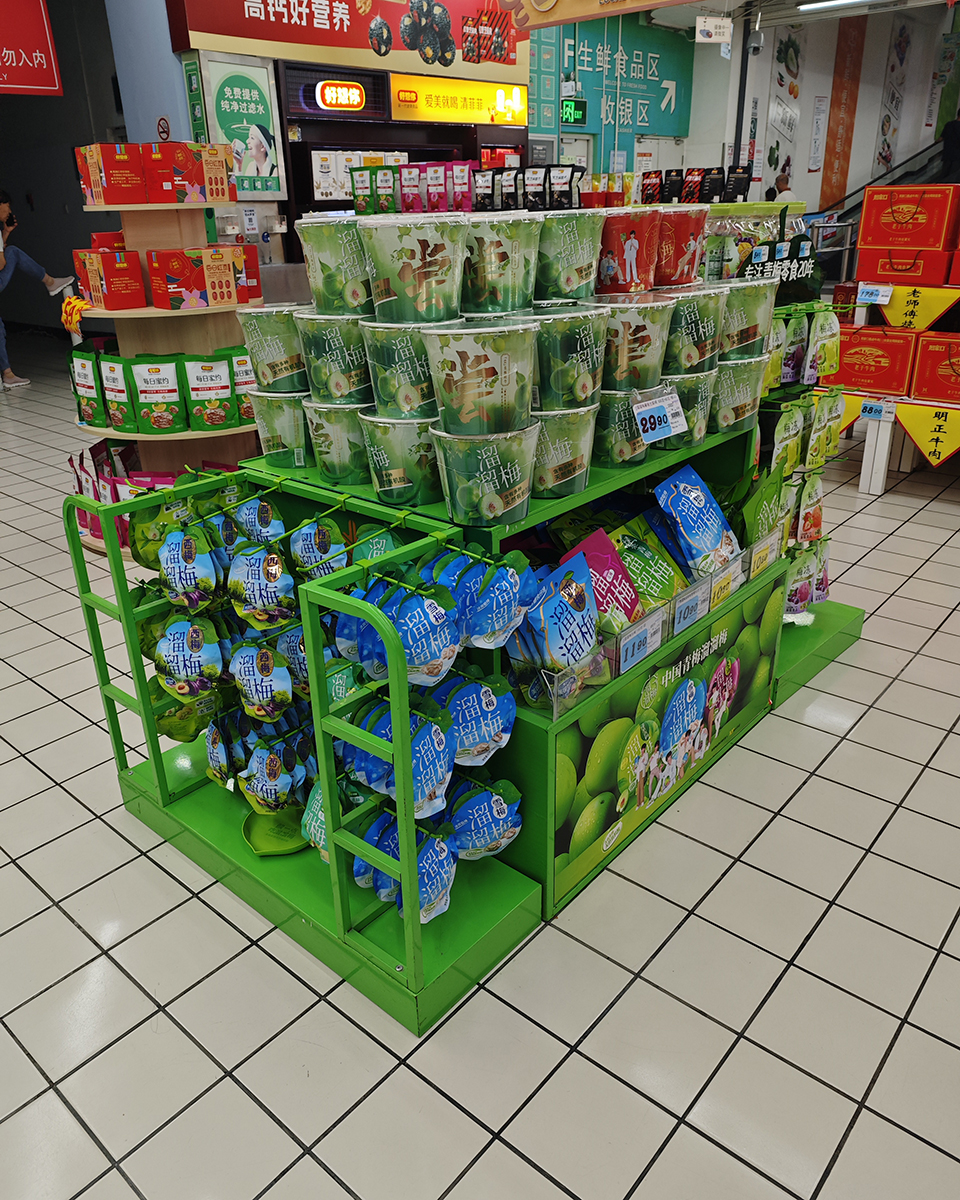
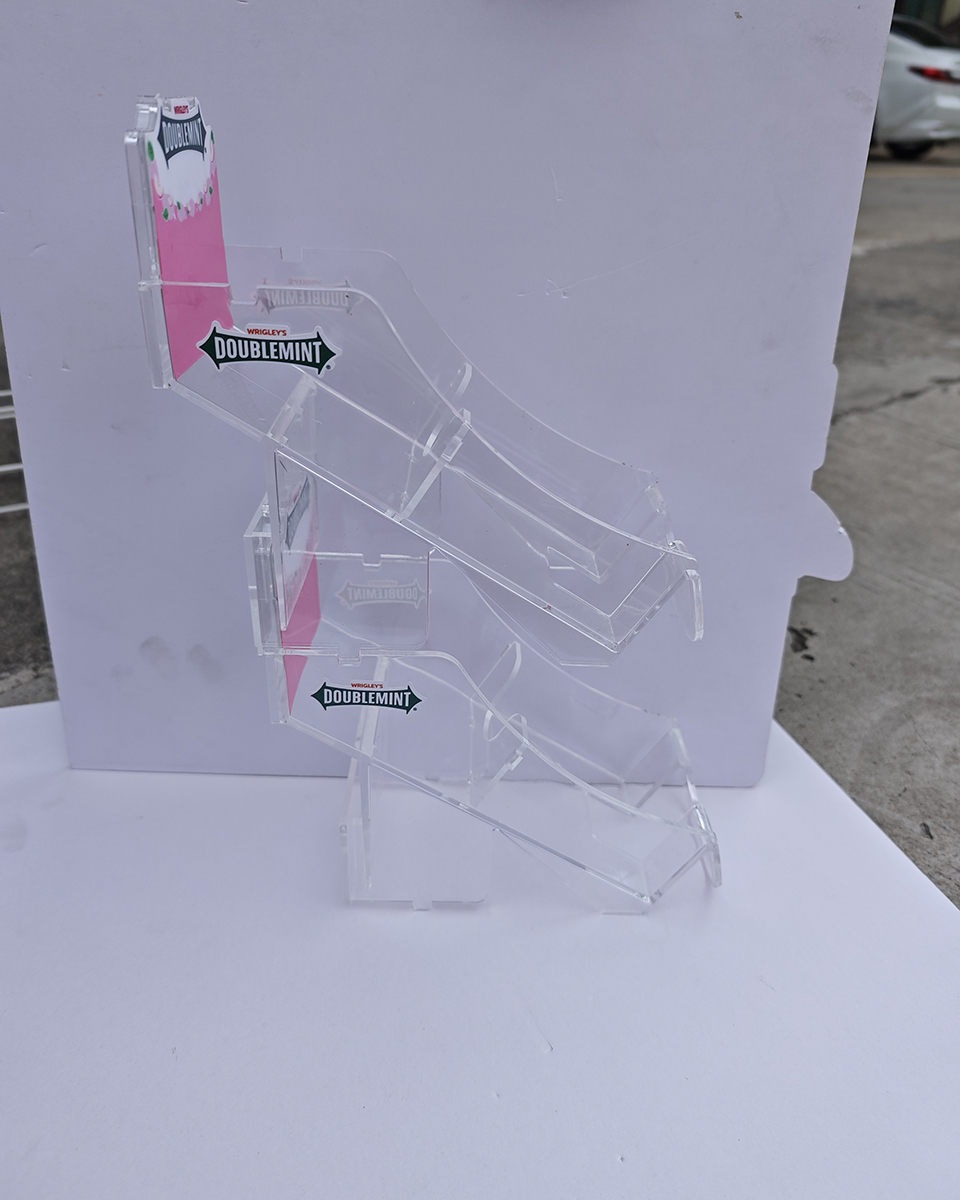
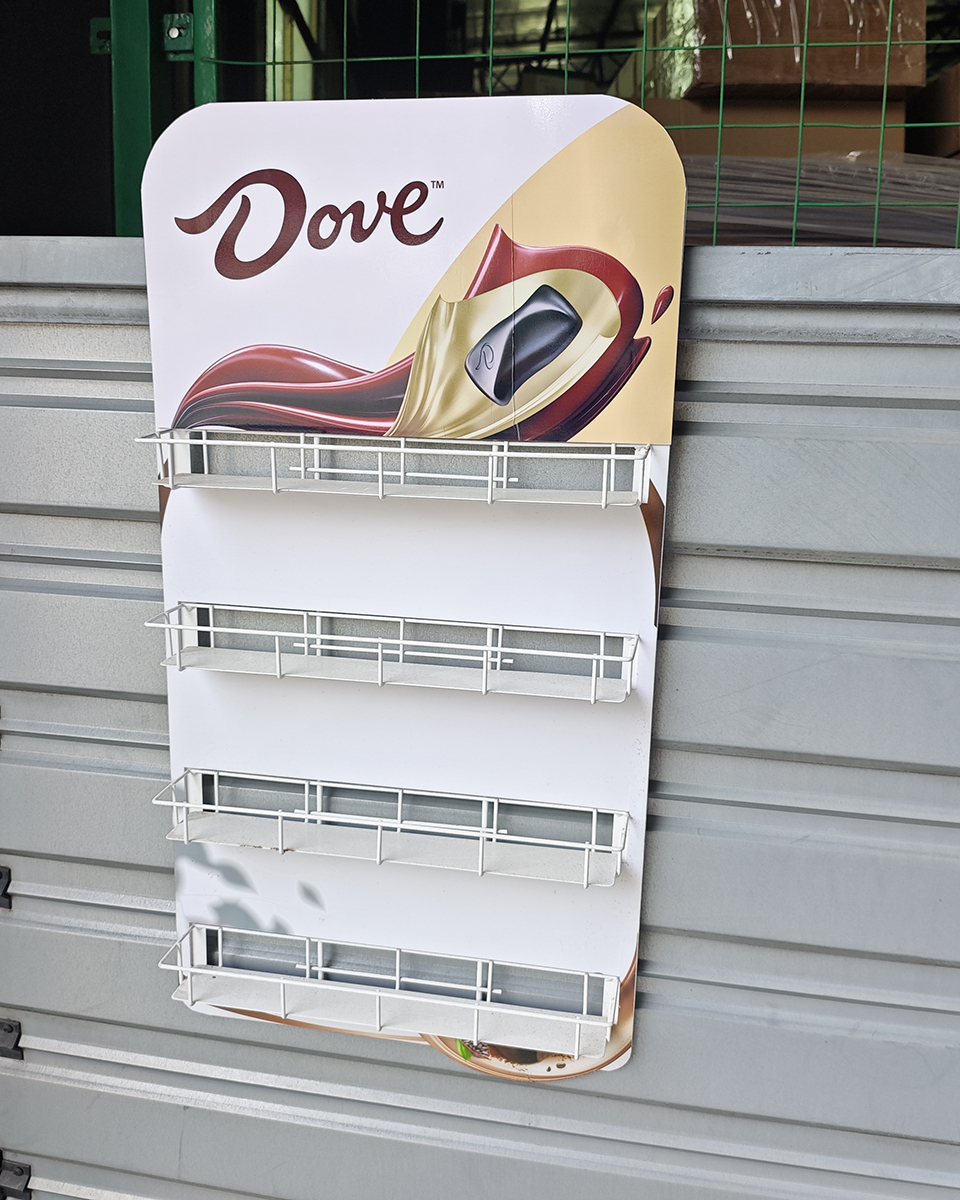
A snack display is a specialized retail fixture designed to showcase and organize snack products in retail environments, convenience stores, supermarkets, and food service locations. This essential retail solution combines functionality with visual appeal, creating an attractive presentation that encourages customer purchases. The snack display serves as a strategic merchandising tool that maximizes product visibility while optimizing shelf space utilization.
Modern snack display units incorporate several technological features that enhance their effectiveness. Many include LED lighting systems that highlight products and create an inviting atmosphere. Temperature control features maintain optimal conditions for various snack items, from fresh baked goods to delicate pastries. Digital price tags integrated into snack display systems provide real-time pricing updates and promotional messaging without manual adjustment.
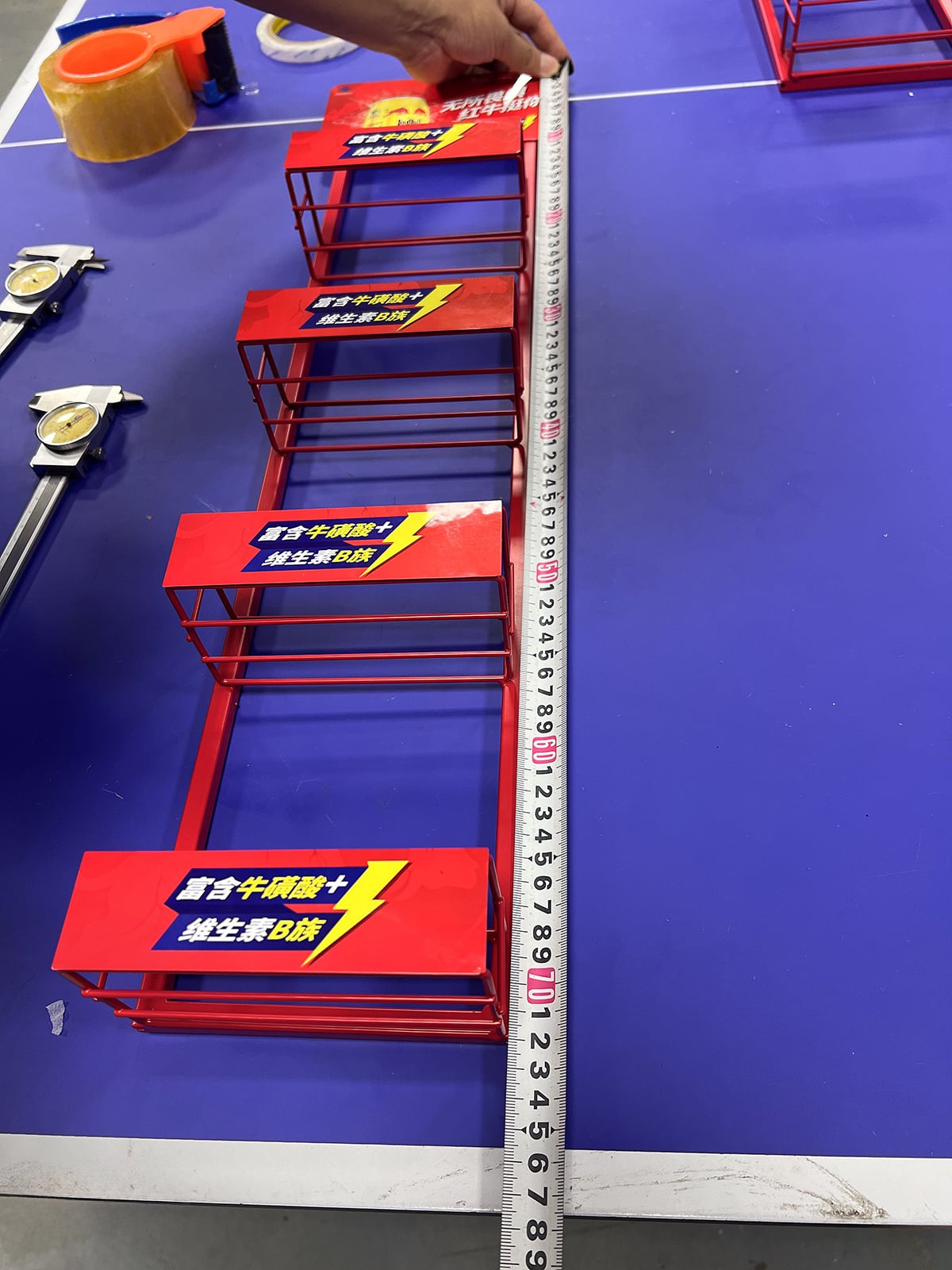
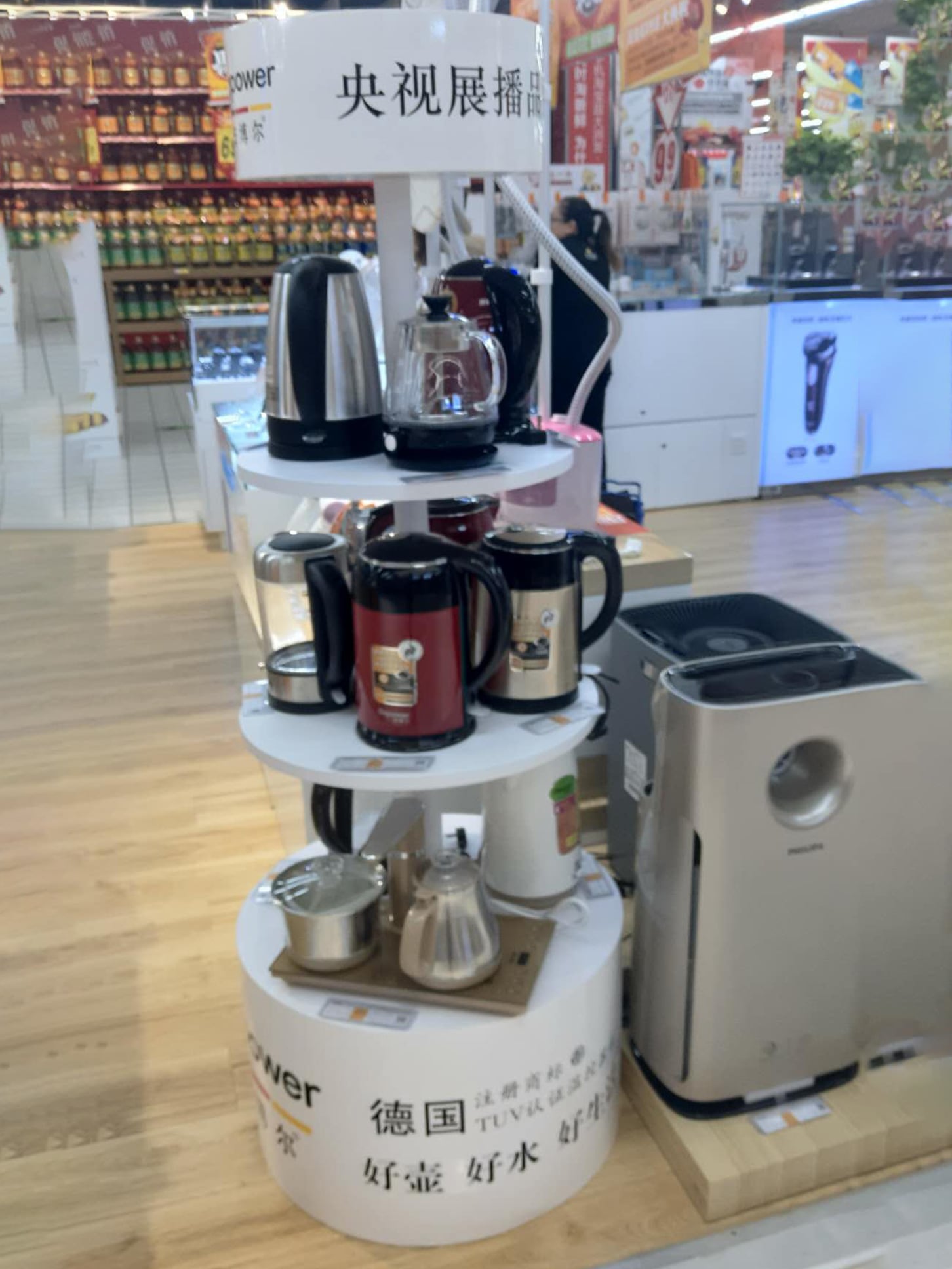
The snack display typically features adjustable shelving, allowing retailers to customize configurations based on product dimensions and categories. Rotating components on some models ensure 360-degree product visibility, maximizing customer engagement. Anti-slip surfaces and tilted platforms prevent products from sliding while improving accessibility.
Applications for snack display solutions span multiple industries. Retail stores utilize snack display units to organize chips, cookies, and candy. Movie theaters employ snack display fixtures to present popcorn varieties and concession options. Coffee shops and quick-service restaurants feature snack display systems for grab-and-go items. Educational institutions and corporate offices integrate snack display solutions into break rooms and vending areas. The versatility of snack display technology makes it an indispensable tool for any business focused on snack sales and customer satisfaction.
 EN
EN