Point of Purchase Counter Display | Retail Guide

Get a Free Quote

Share your display requirements and our team will follow up with a suitable direction.
Company Name
Country/Region
Mobile
Email
WhatsApp
Name
Message
0/1000

point of purchase counter display

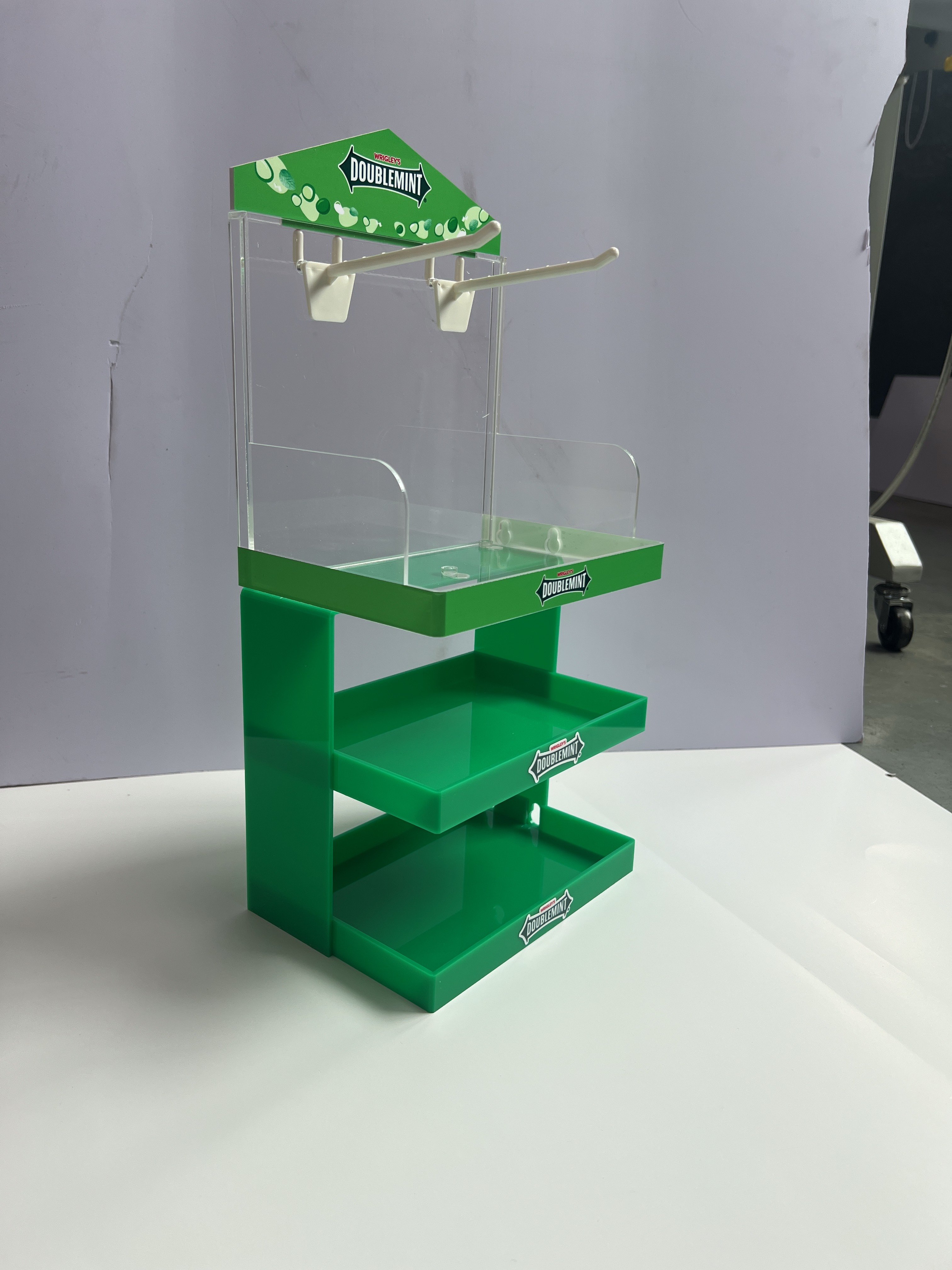
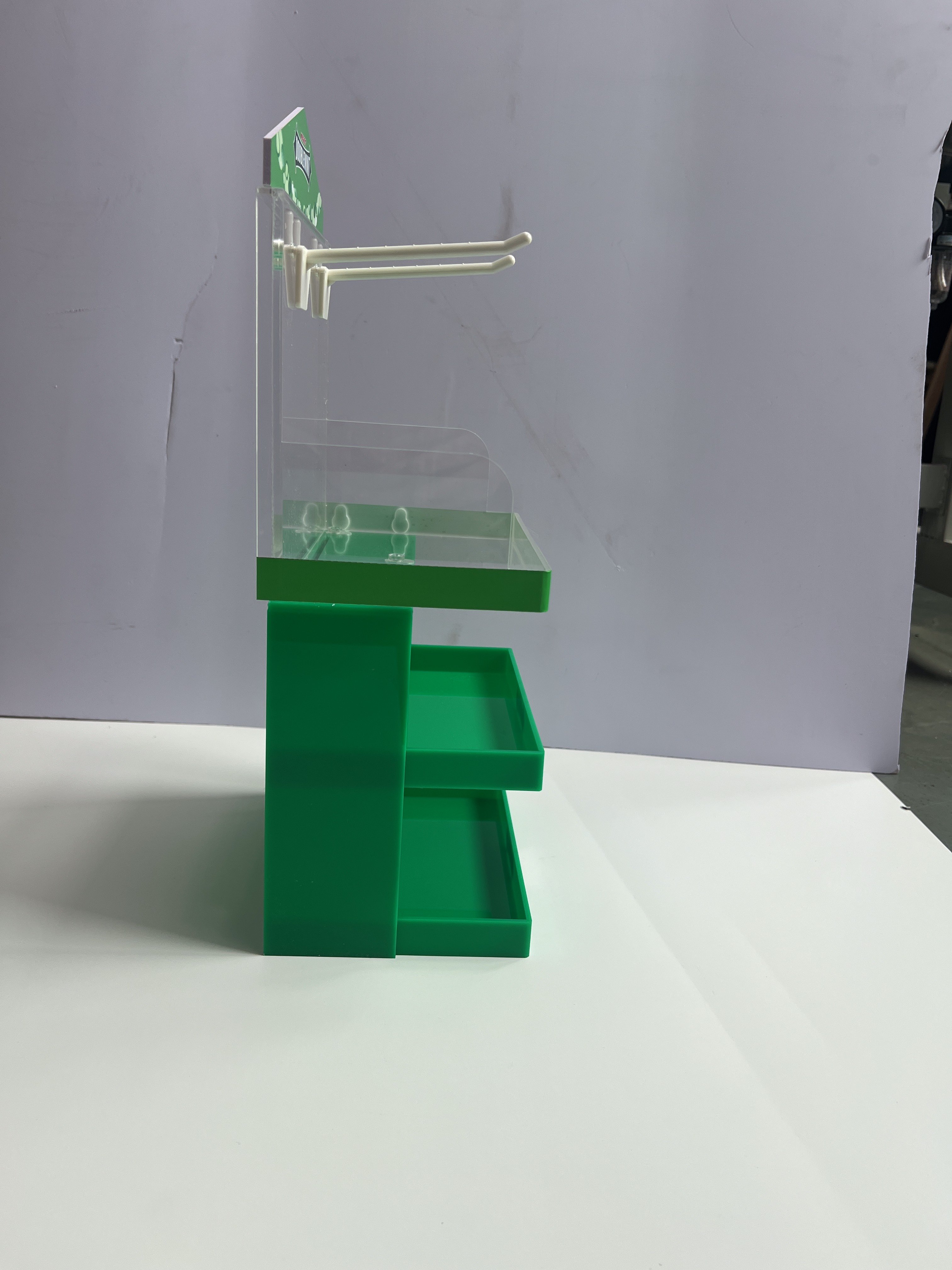
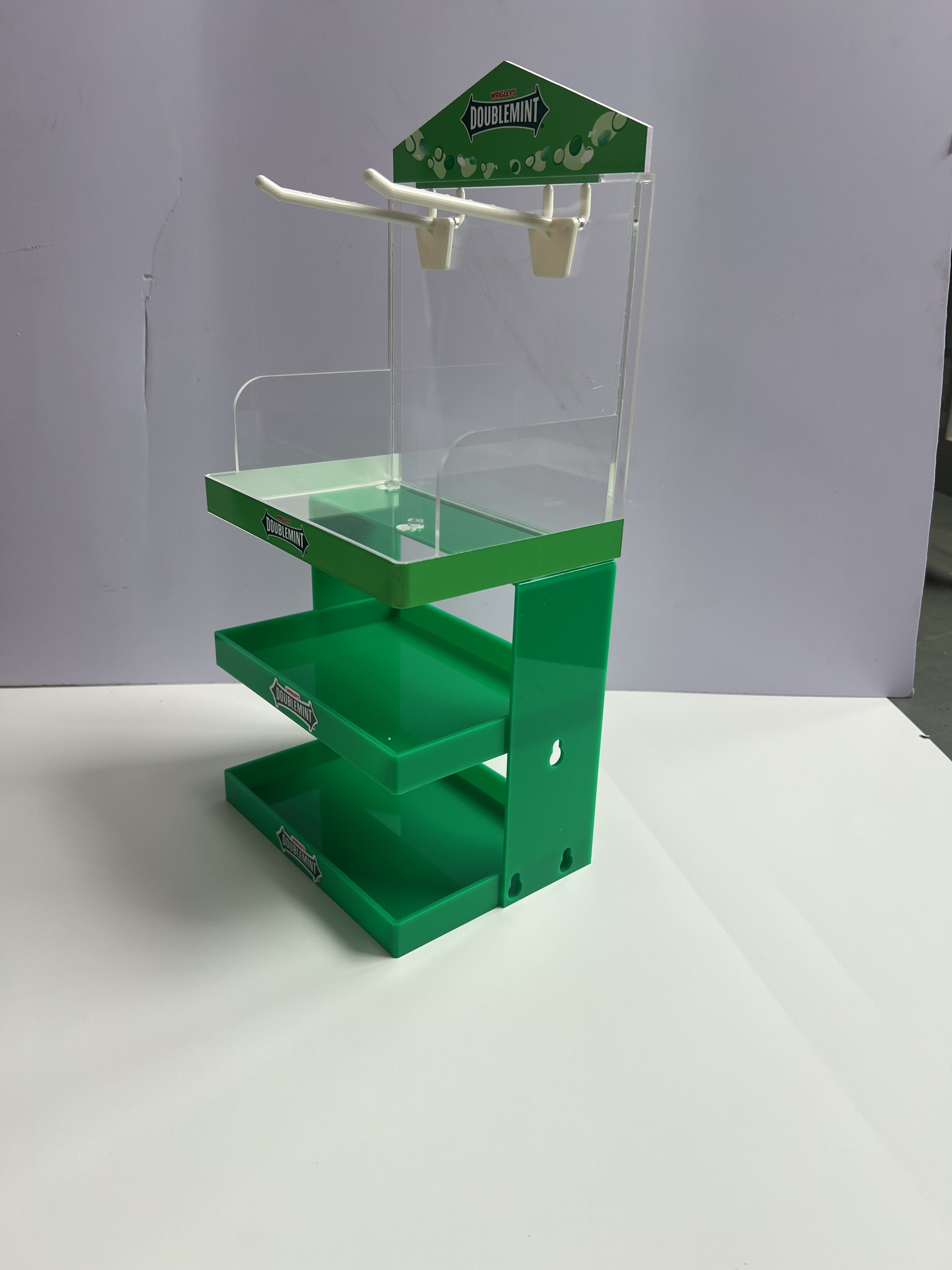
A point of purchase counter display is a compact merchandising unit placed on a checkout desk, service counter, reception area, or other high-traffic surface. Its main purpose is to present selected products where shoppers make final decisions. A point of purchase counter display can hold snacks, cosmetics, accessories, samples, promotional packs, gift cards, or small electronics without taking up valuable floor space. The unit guides attention, keeps merchandise organized, and encourages convenient add-on purchases. Most designs use printed cardboard, corrugated board, acrylic, metal, wood, or a combination of materials. Shelves, pockets, hooks, dividers, header panels, and product trays help match the structure to the item being sold. A point of purchase counter display may also include branded colors, product messaging, price panels, QR codes, or a call to action. These elements help shoppers understand the offer quickly. Technology can add another layer of engagement. A point of purchase counter display may support LED lighting, digital screens, electronic price labels, QR code scanning, near-field communication, or simple product sensors. Retailers can use these features to show videos, share product details, collect customer interaction data, or connect shoppers with online ordering. Technology should remain easy to use and should support, rather than distract from, the product. Applications range from supermarkets and pharmacies to beauty stores, convenience shops, hotels, trade events, banks, and food-service counters. A point of purchase counter display works especially well for new launches, limited offers, seasonal goods, impulse items, and small products that benefit from close visibility. Businesses can choose a ready-made unit for quick deployment or a custom solution for stronger brand presentation and precise product capacity.

New Product Releases

The main advantage of a point of purchase counter display is its ability to turn unused counter space into a selling area. Instead of relying only on shelf browsing, retailers place a relevant item directly in front of customers during checkout or service. A point of purchase counter display can increase product visibility, remind shoppers about a need, and encourage an unplanned but useful purchase. This gives buyers faster access to small, practical products while helping stores grow transaction value. A point of purchase counter display also improves presentation. Dedicated compartments keep products facing forward, reduce clutter, and make prices or key benefits easier to read. Customers can compare options without searching through a crowded shelf. When the unit uses clear branding and a simple message, shoppers understand the offer in seconds. This creates a smoother buying experience and supports confident decisions. From an operational view, a point of purchase counter display is easy to install, move, refill, and replace. Lightweight cardboard or plastic models allow staff to change campaigns without tools or specialist labor. Modular shelves and adjustable pockets can support different package sizes, reducing the need to purchase a new unit for every promotion. A sturdy version can remain in service for repeated campaigns, while recyclable materials can help meet sustainability goals. Application suitability is another practical benefit. A point of purchase counter display fits locations where floor space is limited, including checkout lanes, hotel desks, salon counters, clinic reception areas, and event booths. It can promote high-margin goods, trial packs, seasonal offers, loyalty programs, or complementary products. Buyers should compare capacity, material strength, dimensions, branding options, technology, and expected campaign length before choosing. These factors determine whether the unit delivers the right balance of cost, appearance, durability, and sales support.

Tips And Tricks

What installation requirements do metal display stands need?

29

Oct

What installation requirements do metal display stands need?

Metal display stands serve as critical infrastructure in retail environments, warehouses, and commercial spaces where product visibility and organization directly impact sales performance. Understanding the specific installation requirements for meta...
View More
Which factors affect acrylic display stands durability?

29

Oct

Which factors affect acrylic display stands durability?

Acrylic display stands have become essential fixtures in retail environments, warehouses, and promotional spaces across the world. These versatile acrylic display stands showcase products effectively while maintaining a clean, modern aesthetic that a...
View More
What is a beverage display and how does it work?

29

Oct

What is a beverage display and how does it work?

A beverage display is a specialized retail fixture designed to showcase drinks, beverages, and related products in high-traffic locations within stores, restaurants, convenience shops, and hospitality venues. The beverage display serves as both a mer...
View More
What is a floor display and how does it work in retail?

29

Oct

What is a floor display and how does it work in retail?

A floor display is a standalone merchandising structure positioned on the retail floor to showcase products prominently and attract customer attention. Unlike wall-mounted or shelf-based presentations, a floor display occupies dedicated floor space w...
View More

Get a Free Quote

Share your display requirements and our team will follow up with a suitable direction.
Company Name
Country/Region
Mobile
Email
WhatsApp
Name
Message
0/1000

point of purchase counter display

High-Visibility Merchandising in Limited Space

High-Visibility Merchandising in Limited Space

A point of purchase counter display places merchandise within the customer’s natural line of sight, often at the moment when the buying decision is nearly complete. This positioning gives small or overlooked items a stronger chance to be noticed without requiring extra floor fixtures. A point of purchase counter display can use raised shelves, angled trays, header signs, or front-facing pockets to make every product easier to see. Clear organization also helps staff refill stock quickly and helps shoppers identify the offer without asking for assistance. For retailers, this compact format creates more selling potential from an existing counter. It works well for batteries, travel items, cosmetics, snacks, samples, accessories, and gift products. The unit can support cross-selling by placing a related item beside the main purchase. For customers, the benefit is convenience: useful products appear at the right place and can be selected quickly. Strong color contrast, readable pricing, and focused messaging can further improve attention while keeping the presentation clean and professional.
Flexible Design and Brand Presentation

Flexible Design and Brand Presentation

A point of purchase counter display can be designed around a product’s size, weight, packaging, and sales message. Retailers may select a simple stock unit or request a custom structure with branded panels, special compartments, hooks, trays, or lockable sections. This flexibility allows a point of purchase counter display to support both short campaigns and long-term merchandising programs. A seasonal design can launch quickly, while a durable branded unit can serve several product lines over time. The visual format also strengthens brand recognition. Consistent colors, logos, images, and short benefit statements help shoppers connect the display with a company they already know. Good design does not need to be complicated; it should direct attention to the item, price, and reason to buy. Materials such as corrugated board offer low-cost customization, while acrylic, metal, or wood can provide a more premium appearance. Buyers can select the finish based on budget, expected use, store environment, and desired brand impact.
Smart Features That Support Faster Decisions

Smart Features That Support Faster Decisions

A point of purchase counter display can combine physical merchandising with useful digital functions. LED lighting can emphasize a product or promotion, while a small screen can show demonstrations, customer reviews, instructions, or limited-time messages. QR codes can lead shoppers to online catalogs, registration pages, coupons, or product videos. Some advanced models add electronic pricing, near-field communication, or sensors that record interaction. These features make a point of purchase counter display more informative and measurable than a printed sign alone. Technology should serve a clear purpose. A short video may explain a product that customers do not understand at first glance, and a QR code may provide details without overcrowding the counter. Retail teams can update digital content more easily than printed materials when campaigns change. Before purchase, businesses should check power needs, connectivity, screen size, software support, maintenance, and data privacy. The right setup gives shoppers useful information quickly while helping managers evaluate engagement and improve future promotions.
Newsletter
Please Leave A Message With Us