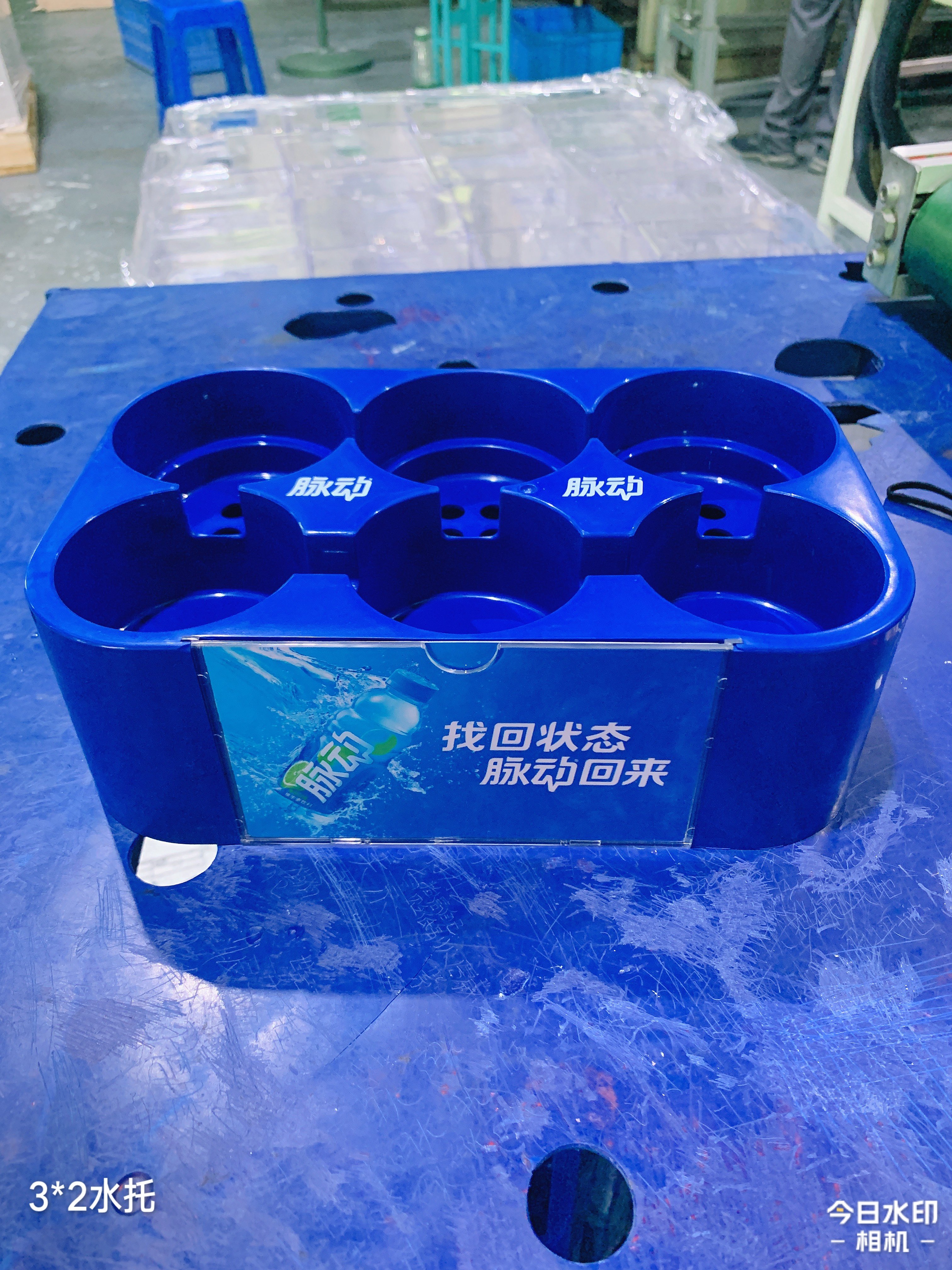
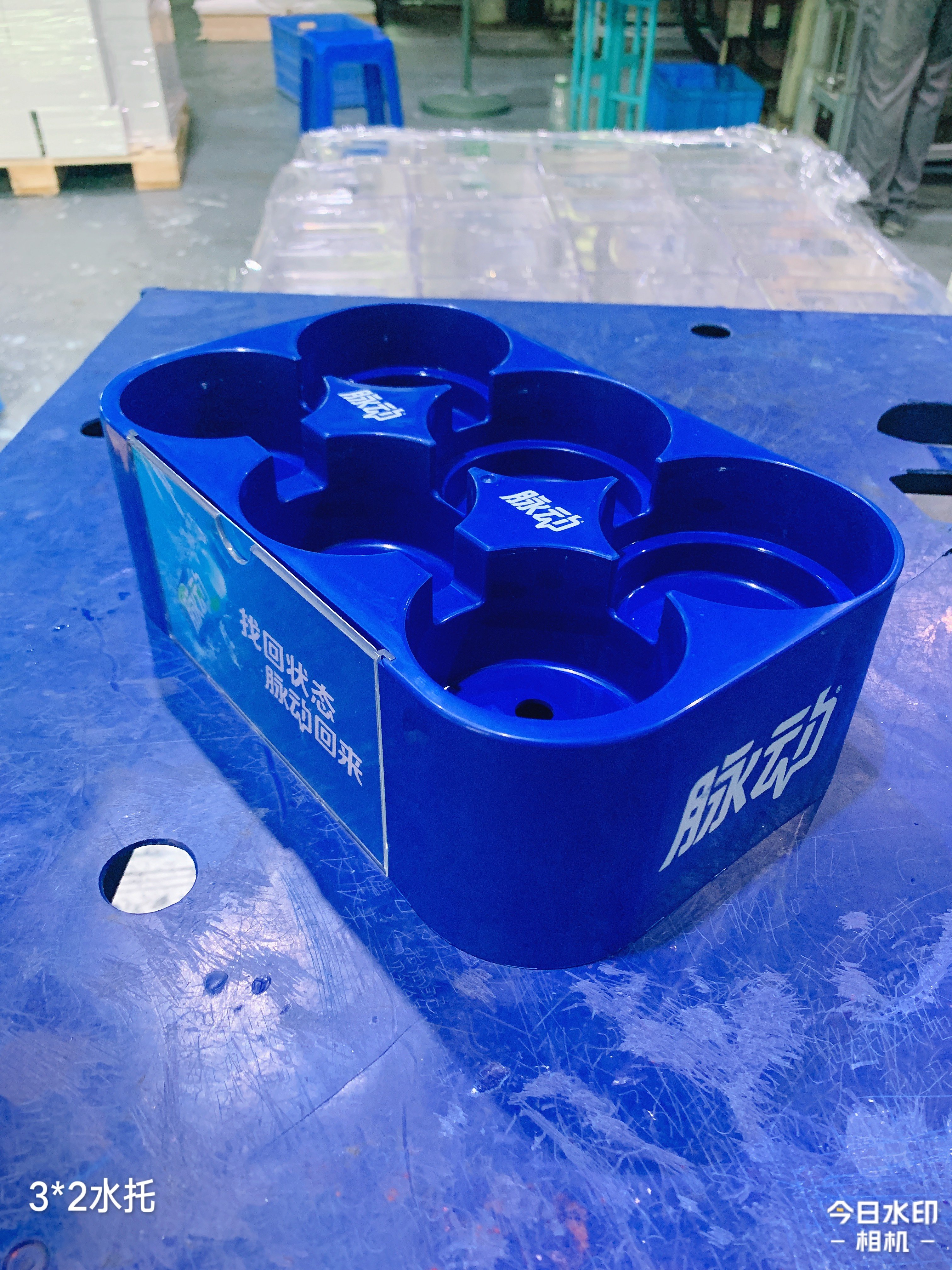
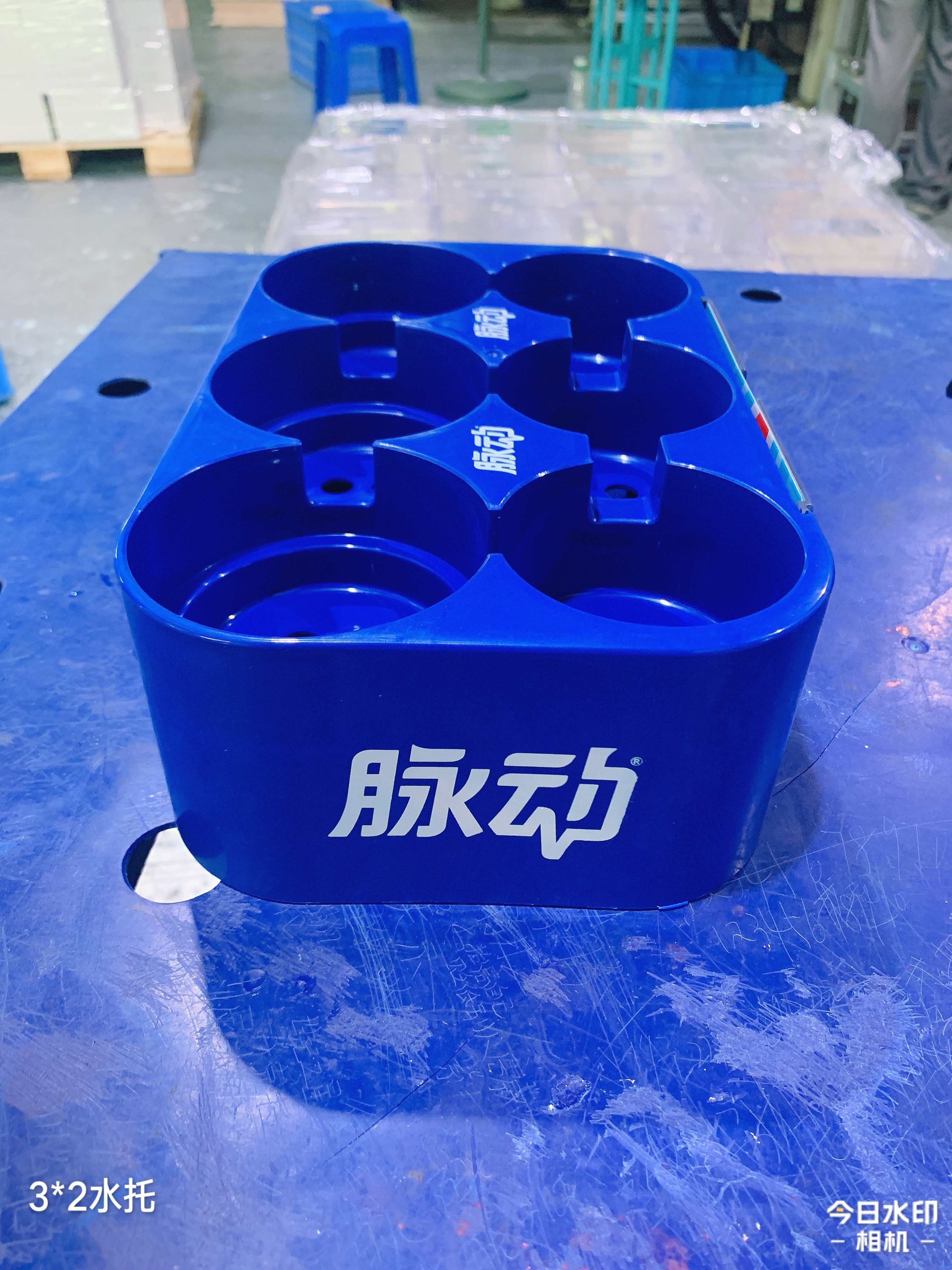
point of purchase pop display
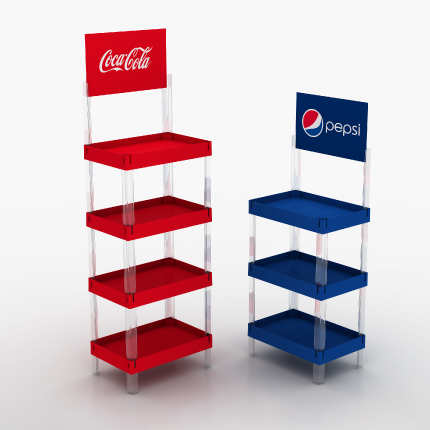
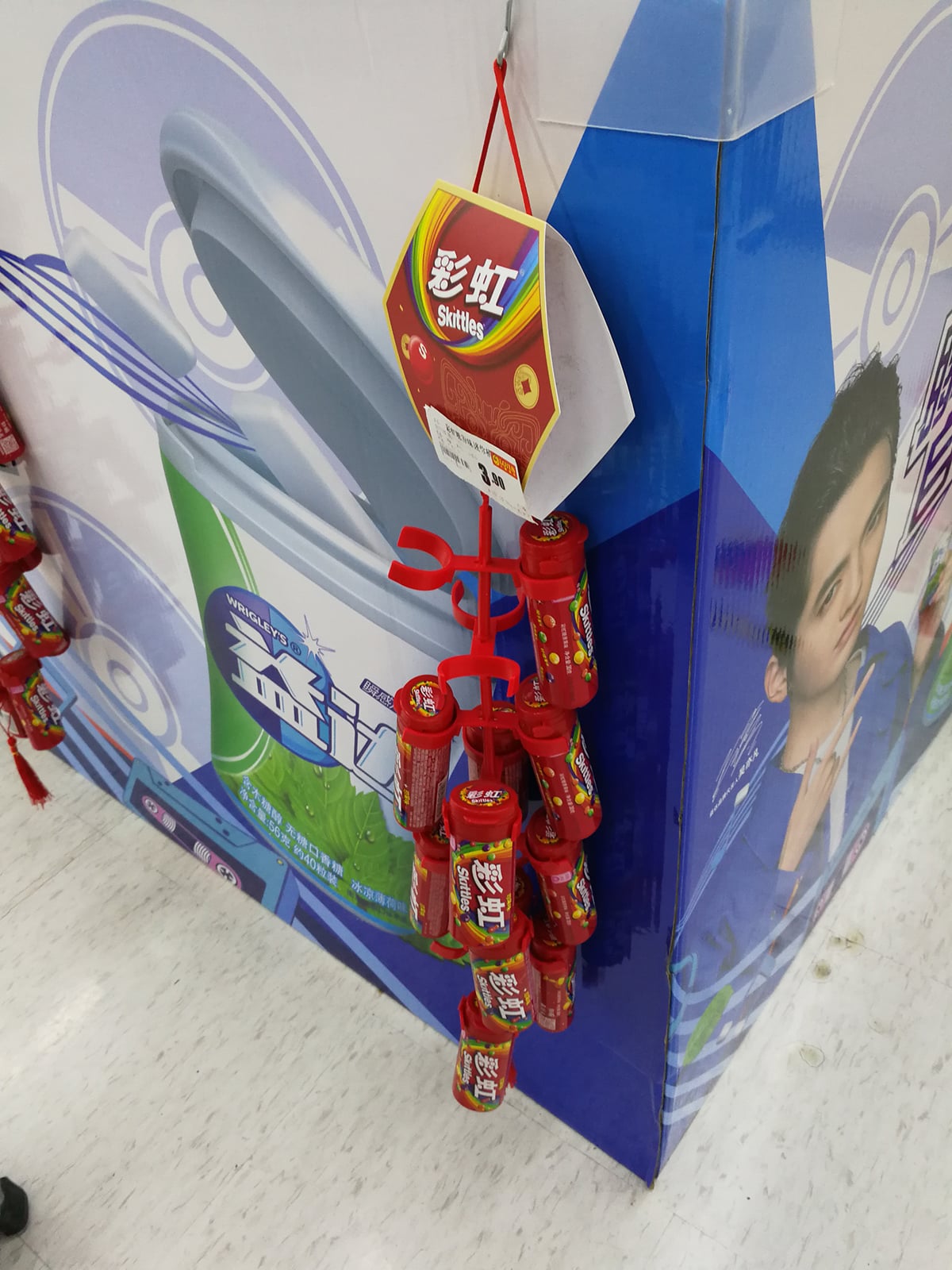
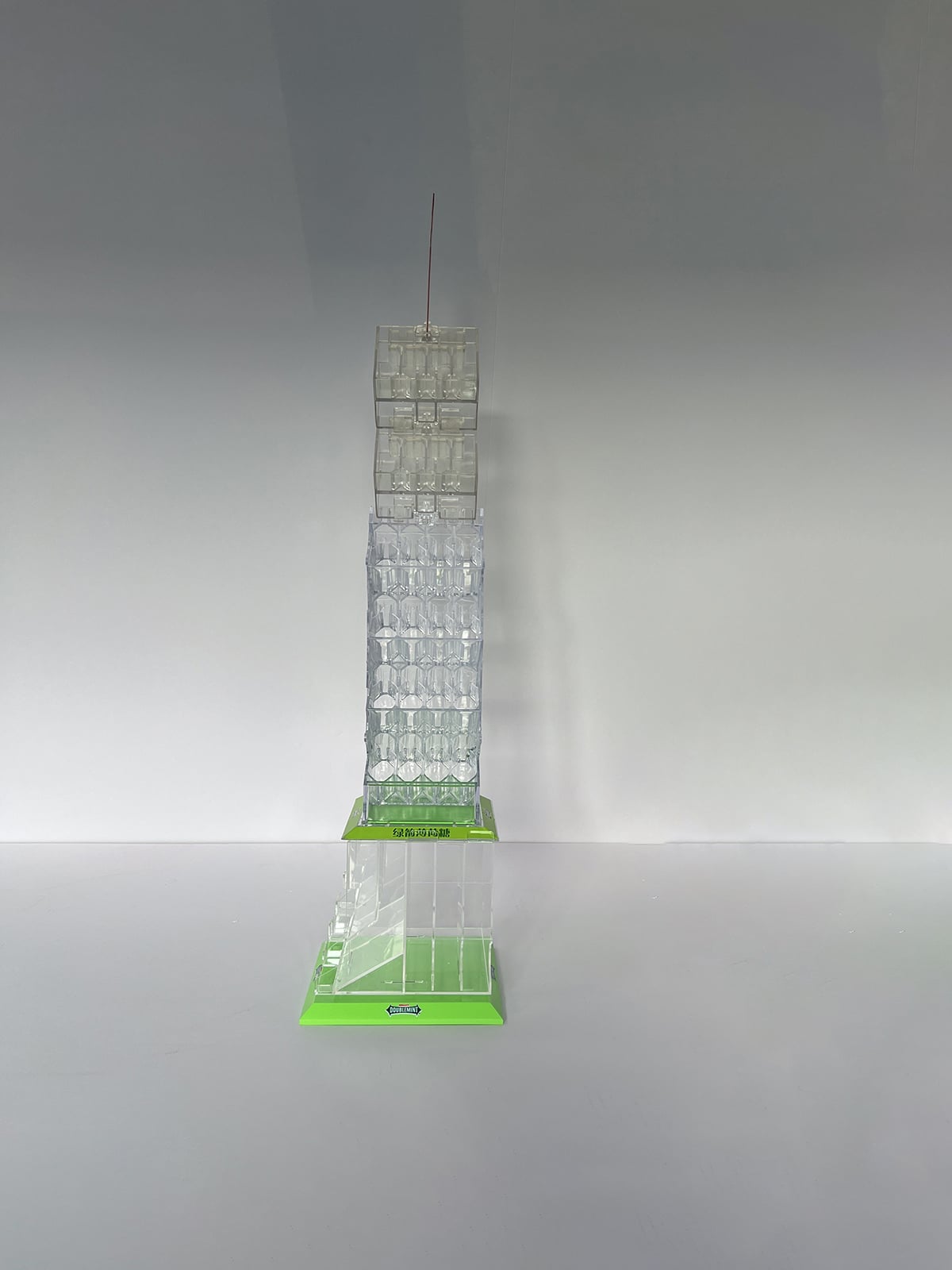
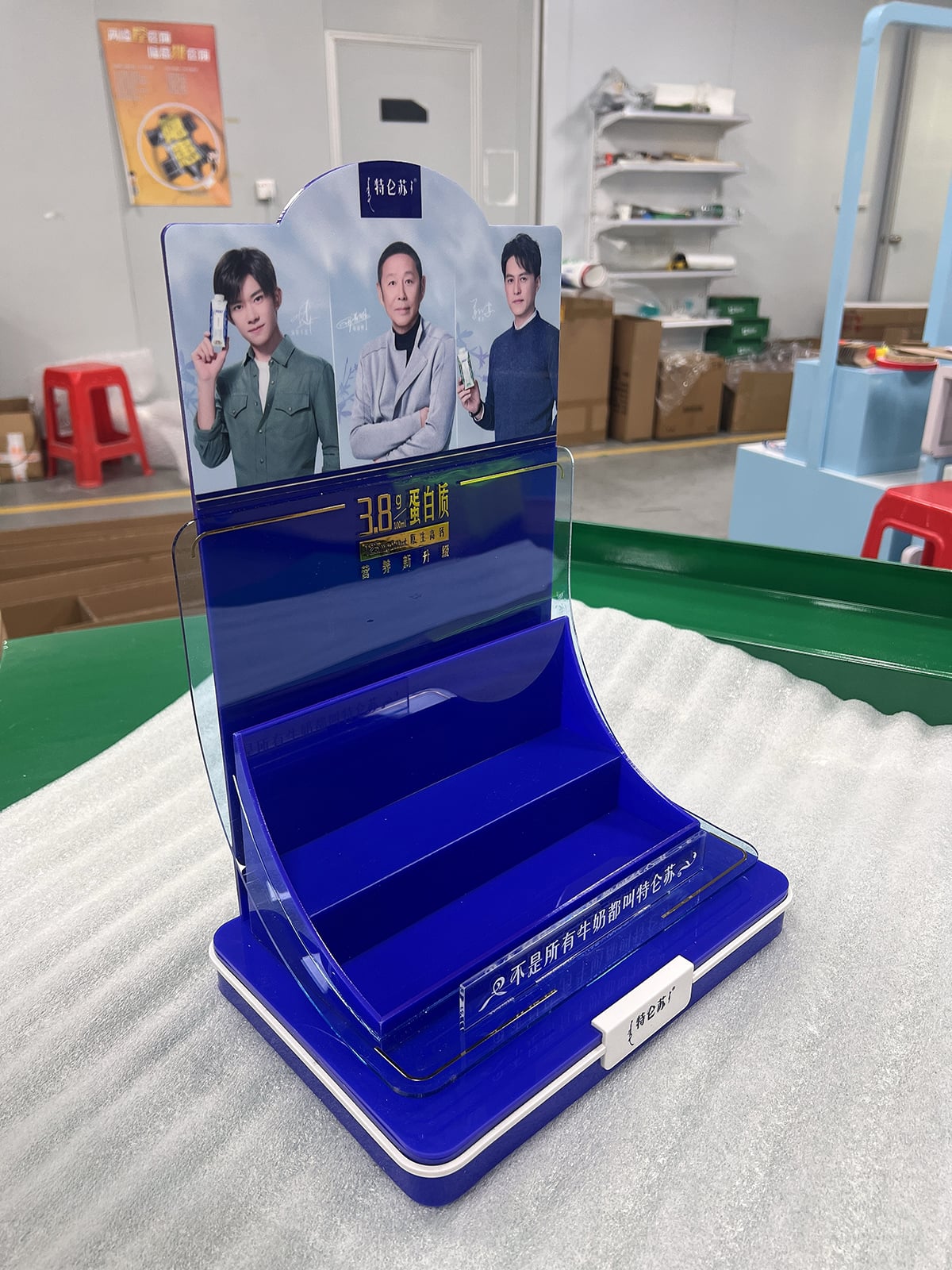
A point of purchase pop display is a strategic marketing tool designed to capture customer attention at the critical moment of buying decision. This point of purchase pop display stands at checkout counters, store shelves, and retail environments where consumers make final purchasing choices. The primary function of a point of purchase pop display involves showcasing products, promotions, and brand messaging in visually compelling ways that encourage impulse purchases and increase sales conversion rates.
Modern point of purchase pop display solutions incorporate advanced technological features including LED lighting systems, digital screens, and interactive elements that engage shoppers effectively. These displays utilize high-quality graphics, vibrant colors, and strategic product placement to maximize visibility and appeal. A well-designed point of purchase pop display can rotate products, display multiple offerings simultaneously, and highlight special promotions or discounts.
Applications for point of purchase pop display extend across numerous retail sectors including grocery stores, convenience shops, pharmacies, fashion boutiques, and electronics retailers. Businesses use point of purchase pop display formats to introduce new products, clear inventory, promote seasonal items, and strengthen brand recognition. The versatility of point of purchase pop display makes it invaluable for retailers seeking to optimize shelf space and drive revenue growth. Whether temporary or permanent installations, these displays deliver measurable impact on consumer behavior and purchasing patterns, making them essential components of modern retail marketing strategies.
 EN
EN