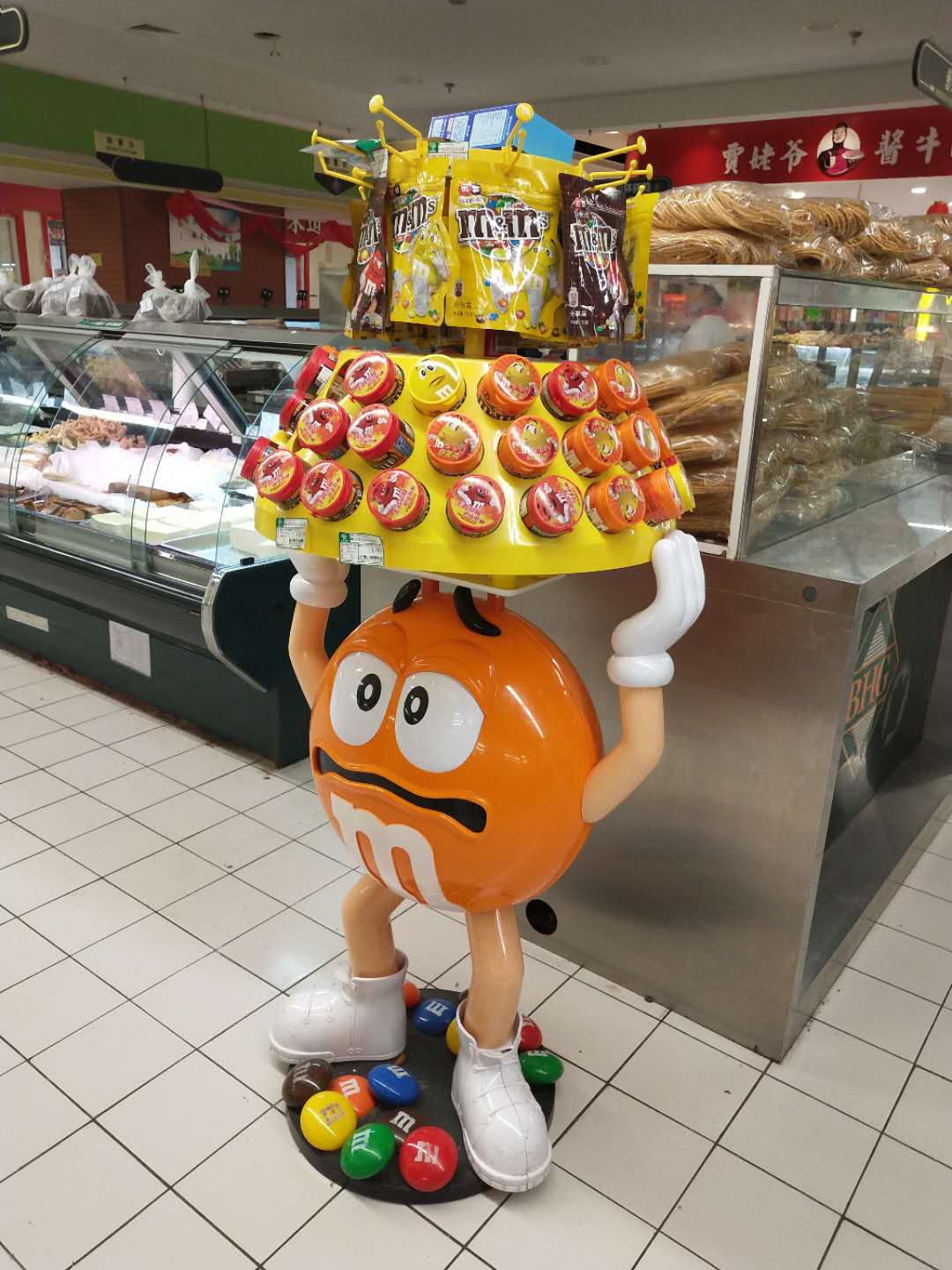
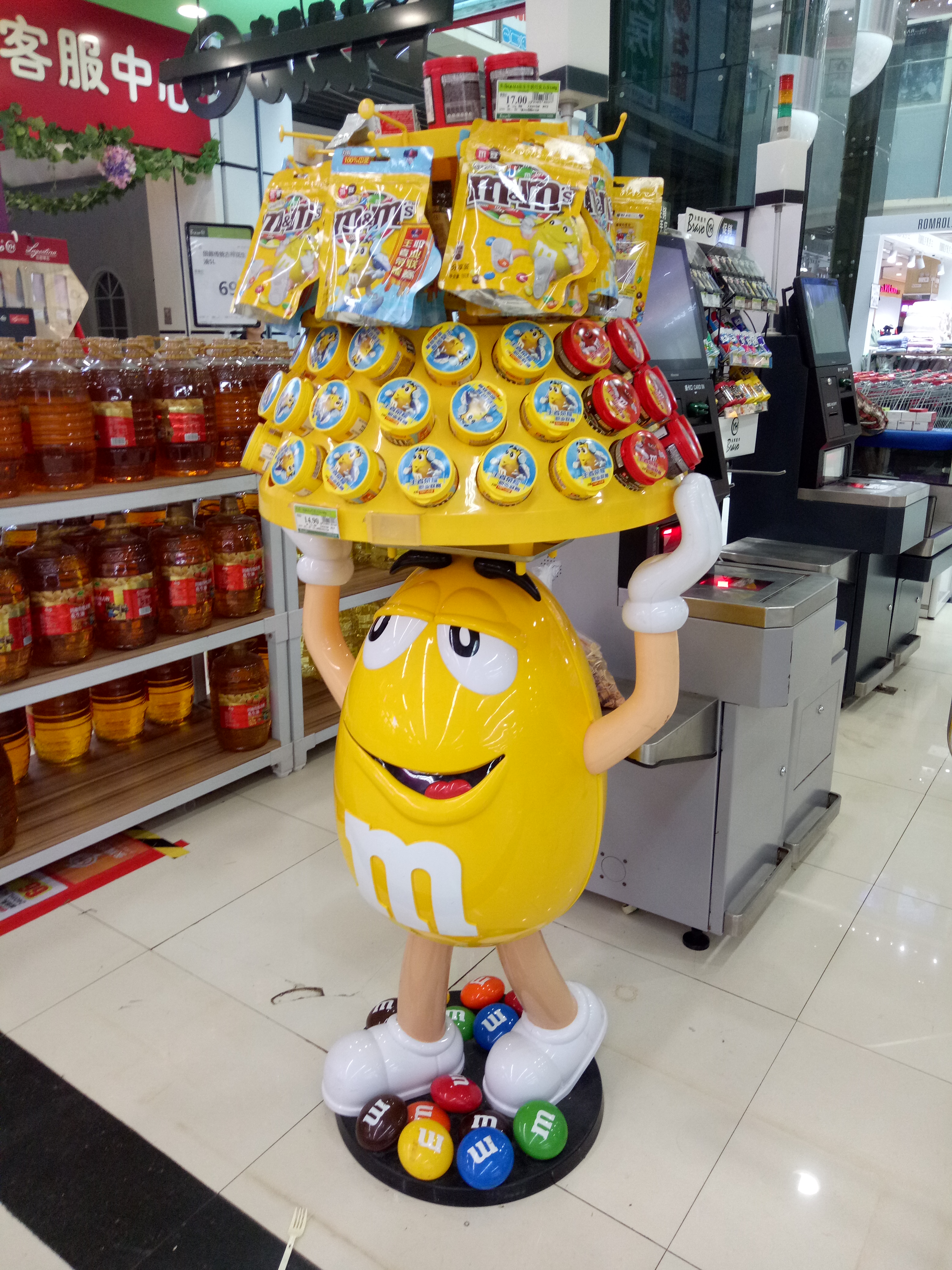
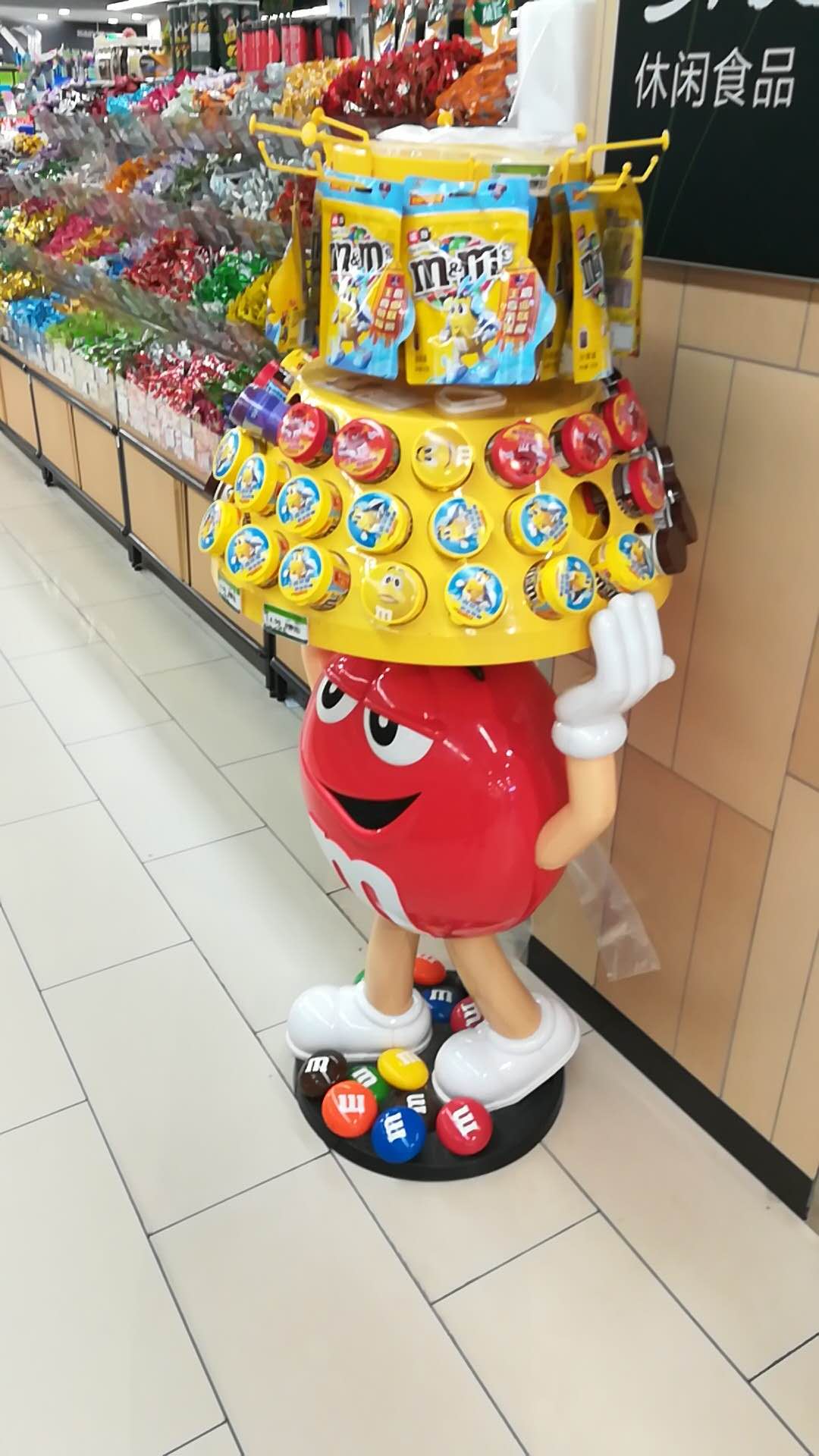
custom retail store displays
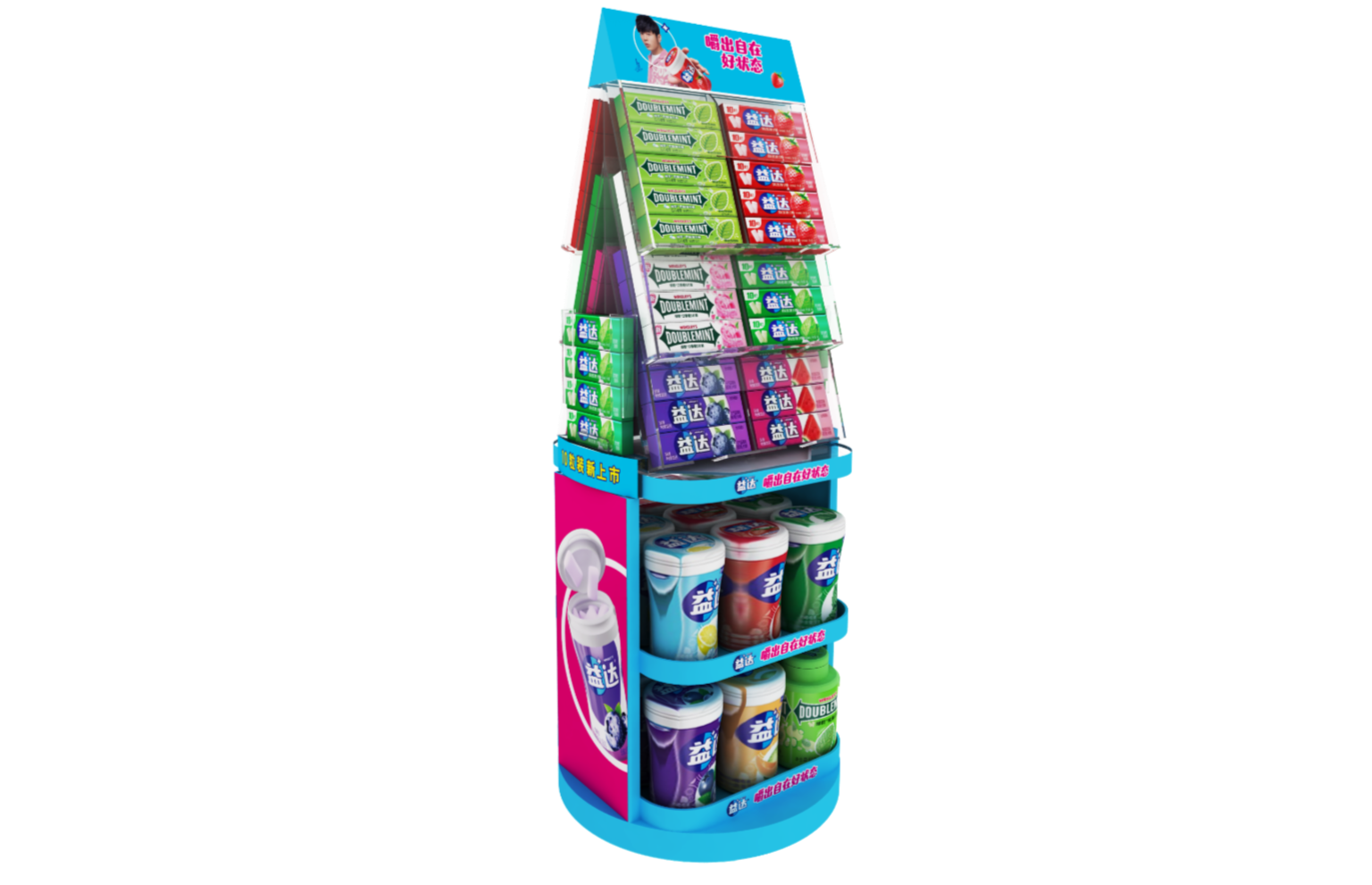
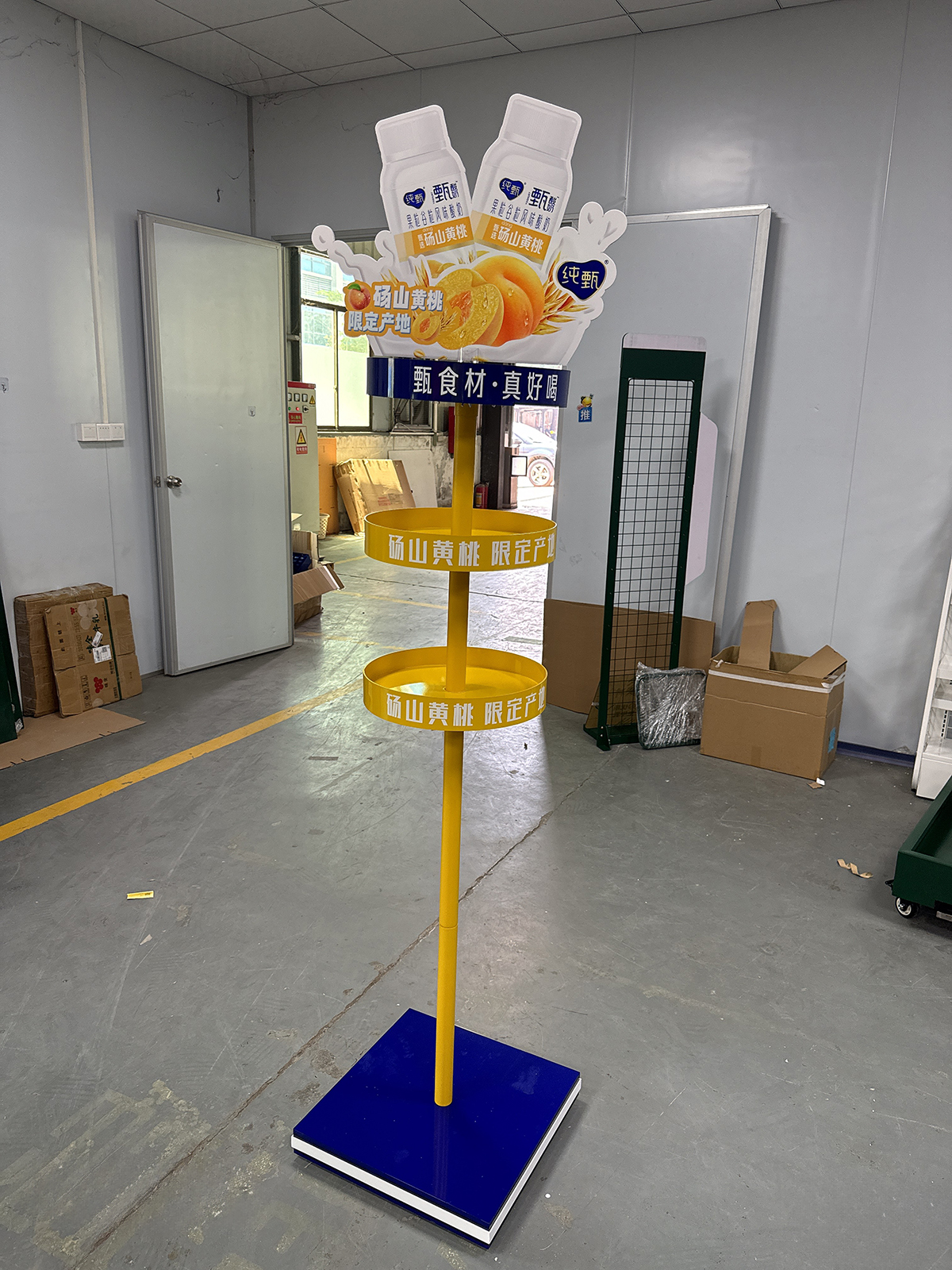
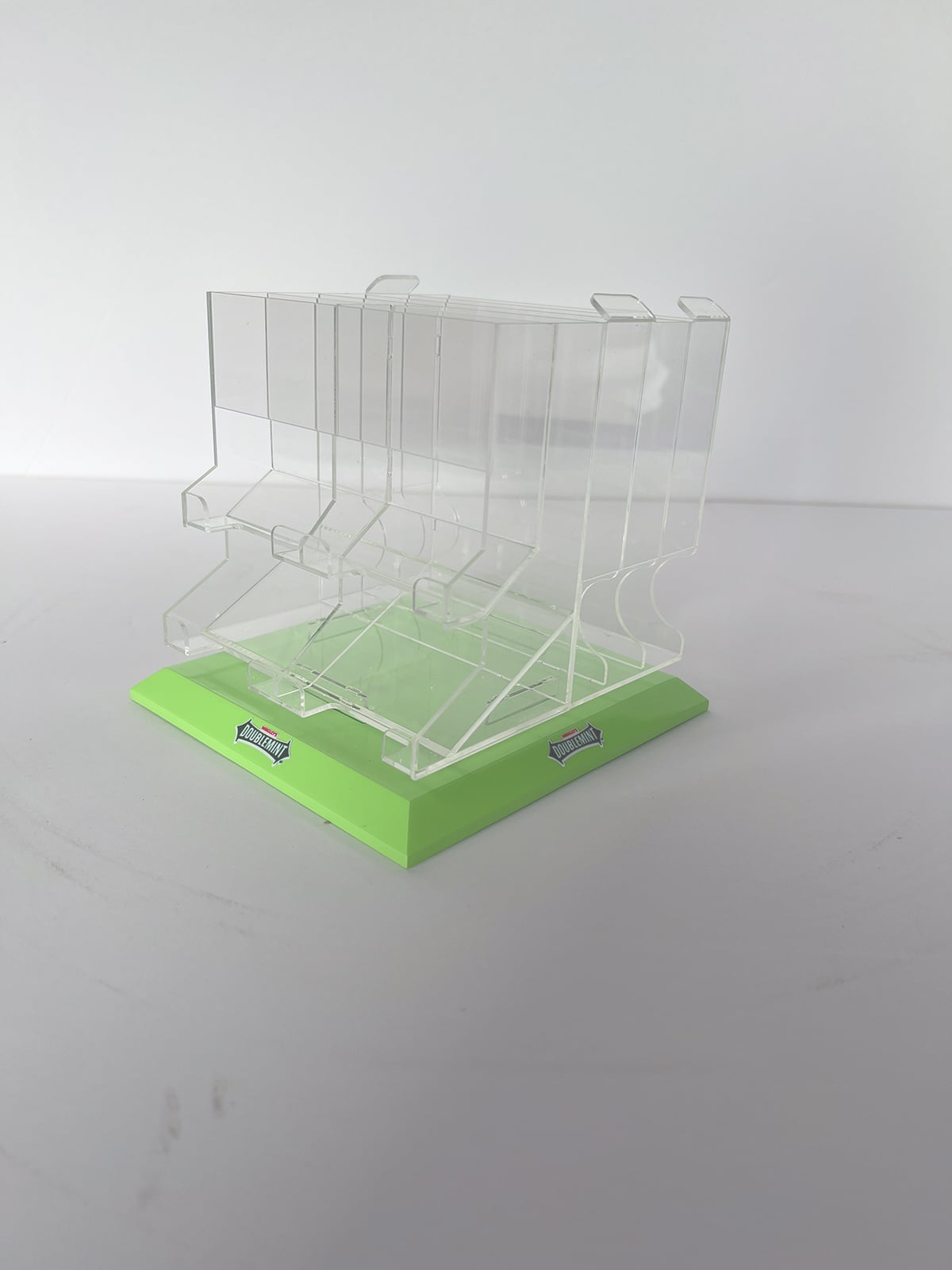
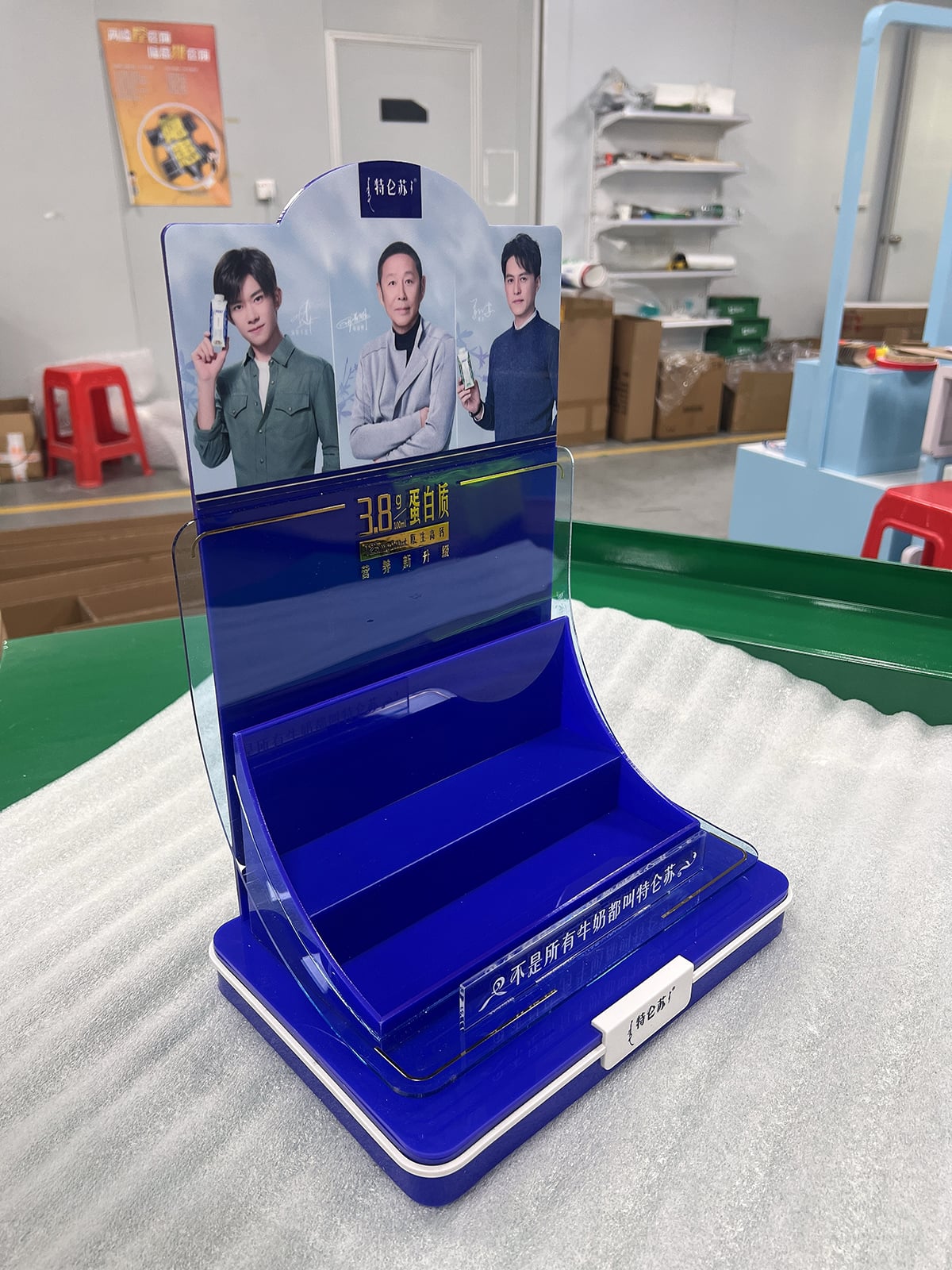
Custom retail store displays represent a transformative solution for businesses seeking to maximize their visual merchandising impact. These specialized display systems are engineered to showcase products in ways that capture customer attention and drive purchasing decisions. Custom retail store displays serve as the physical foundation for effective product presentation, combining aesthetic appeal with functional organization.
The primary function of custom retail store displays is to create an engaging shopping environment that highlights your merchandise strategically. These displays organize products logically while drawing eyes to featured items, encouraging customers to explore your inventory. Custom retail store displays incorporate adjustable shelving, modular components, and flexible configurations that adapt to different product types and seasonal changes.
Technological features embedded in modern custom retail store displays include LED lighting systems that enhance product visibility, digital integration capabilities for interactive experiences, and smart inventory management systems. Many advanced custom retail store displays incorporate climate control features for sensitive products and digital signage compatibility for promotional messaging. These technological enhancements work together to create immersive shopping experiences that keep customers engaged.
Applications span across diverse retail sectors including fashion boutiques, electronics stores, cosmetics shops, jewelry retailers, and supermarkets. Custom retail store displays work effectively in both brick-and-mortar locations and pop-up retail environments, making them versatile investments for various business models and retail spaces.
 EN
EN