 EN

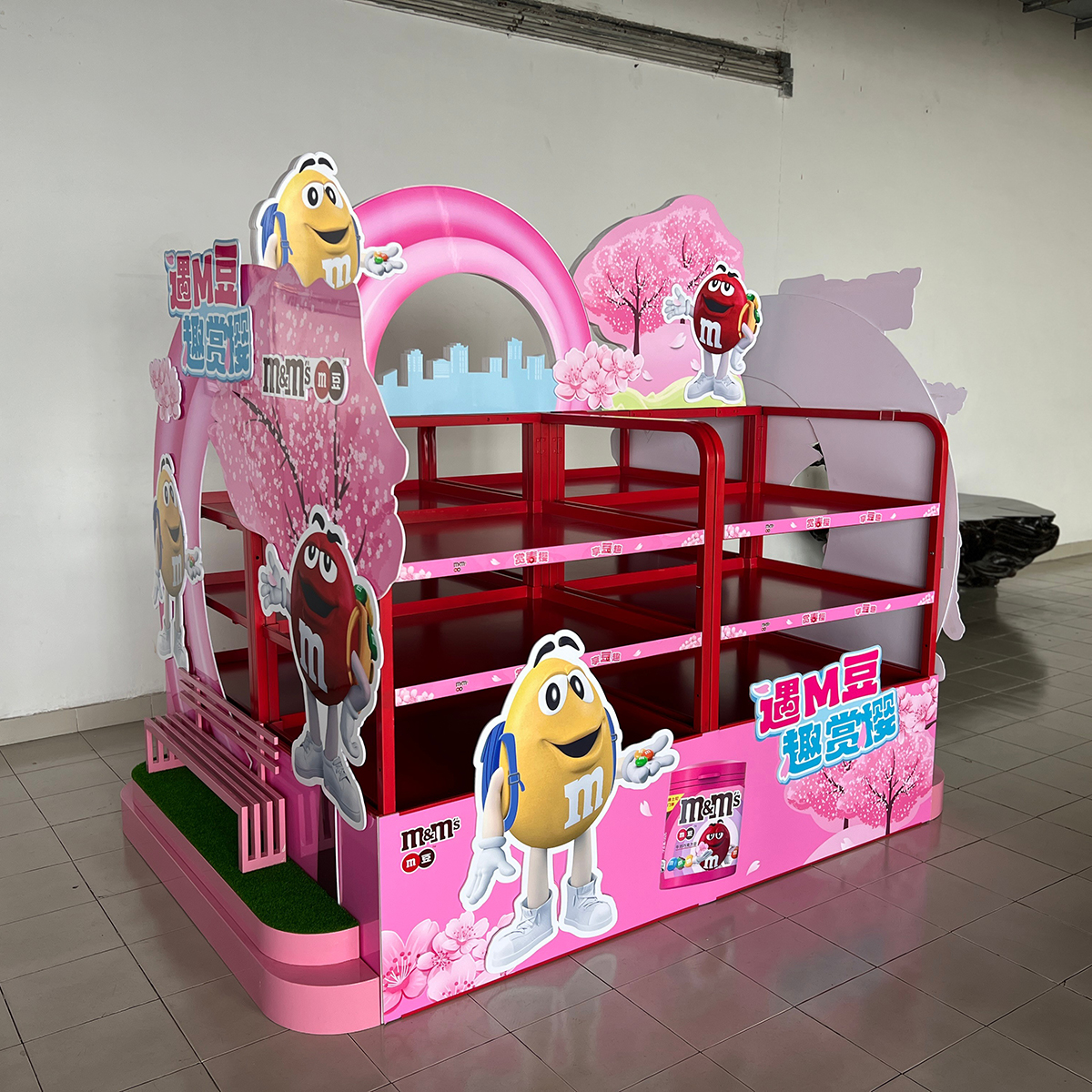
Designing metal and wire displays for heavy FMCG loads means planning for more than the product’s weight. A metal retail display rack must also cope with repeated restocking, customer contact, and uneven load distribution. A wire merchandising rack can make products visible, while a heavy duty floor stand needs a stable base and a clear capacity plan.
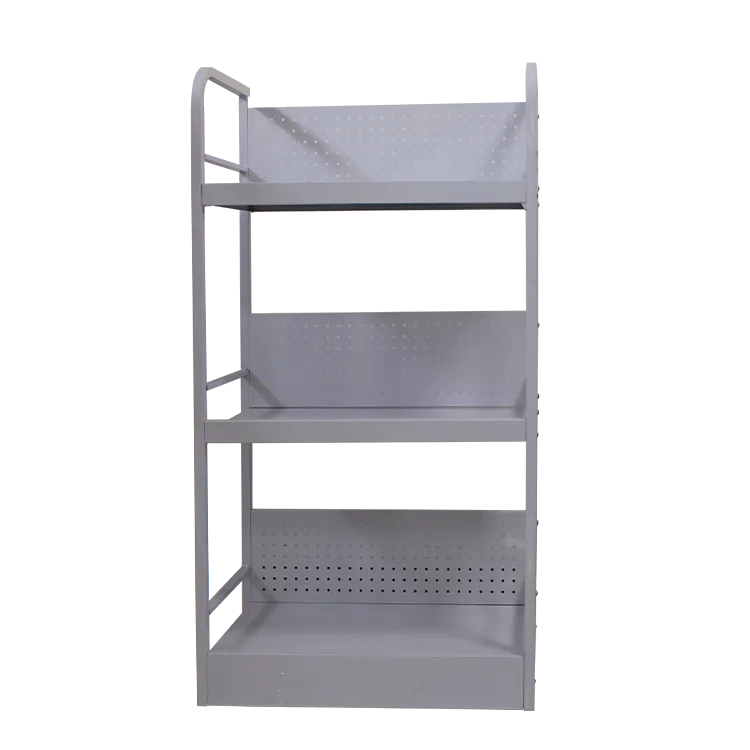
The best design decisions begin with the actual merchandise, store environment, and replenishment routine. A durable POP fixture is not simply a thick frame; its shelves, joints, finish, and footprint must work together. When a wire merchandising rack is specified around real operating conditions, teams can reduce instability and make the display easier to load, maintain, and merchandise consistently.
Designing a Metal Retail Display Rack for Load
Translate merchandise weight into shelf requirements
Start by recording the weight and dimensions of a fully stocked shelf, not just one package. A wire merchandising rack should account for concentrated loads from stacked cases, since weight near the center can stress a shelf differently from evenly arranged items. A durable POP fixture also needs suitable shelf depth and spacing, so products sit securely without obscuring labels or blocking access.
Consider how shoppers will remove products and how staff will refill each level. Those actions can shift merchandise or create repeated pressure at the front edge. A heavy duty floor stand benefits from shelves designed for the intended loading pattern, while a wire merchandising rack should keep gaps and support spacing appropriate for the package size. Ask for rated capacity by shelf and for the complete unit.
Build strength into the frame and connections
Frame strength depends on the relationship between upright sections, cross-bracing, shelf supports, and connection points. A wire merchandising rack should resist side-to-side movement when loaded, and its joints should remain secure through routine handling. A durable POP fixture can use reinforced connection areas where shelves meet uprights, rather than relying on a strong-looking finish to compensate for weak structural details.
Review assembly instructions and check whether the structure requires wall restraint or another stabilizing measure in its intended location. A heavy duty floor stand must remain balanced as products are taken from one side, not only when fully stocked. Confirm that a durable POP fixture has a footprint suited to the aisle and that its support arrangement matches the expected load, handling, and floor conditions.
Choosing Materials, Finish, and Shelf Configuration
Match wire and sheet construction to the product
Wire shelves support airflow and visibility, but openings must suit the smallest item being displayed. A wire merchandising rack may need a tighter grid, a solid shelf insert, or a raised edge when packages are small or prone to shifting. A durable POP fixture should preserve the visibility benefit of open construction without allowing merchandise to tip, slip, or fall through the shelf surface.
Sheet metal can provide a continuous platform and a clean graphic surface, while wire can keep product faces visible from more angles. The right choice depends on package shape, weight, and how staff access stock. A heavy duty floor stand may combine sheet shelves with wire sides or back panels; this can support merchandise while maintaining sightlines. Specify edge details and shelf adjustment needs before production.
Specify a finish for the retail environment
The finish should reflect the store’s cleaning routine, expected handling, and exposure to moisture or abrasion. A durable POP fixture needs a surface that can be wiped without creating difficult-to-clean seams or trapping residue around joints. Confirm the finish requirements with the fabricator and evaluate a sample for color, coverage, and visible contact points before approving a full run.
A wire merchandising rack used in a busy aisle will encounter carts, restocking tools, and frequent customer contact. Specify rounded or protected edges where people reach, and consider how touch-up or replacement parts will be managed. For a heavy duty floor stand, consistent finish coverage on feet and lower supports matters because those areas can experience floor contact, cleaning, and movement.
Planning Stability, Merchandising, and Service Life
Control movement under everyday use
Stability comes from the whole structure: base width, center of gravity, shelf placement, and how the load changes during shopping. A heavy duty floor stand should be assessed both full and partially depleted, especially if products are removed from upper shelves first. A wire merchandising rack can use a suitable base and bracing to limit wobble without consuming excessive floor space.
Set practical loading guidance for store teams, including where heavier packs belong and whether shelves must be filled from the bottom upward. This makes a durable POP fixture more predictable during replenishment and helps avoid top-heavy configurations. Check the rack on the actual floor surface, since slopes, unevenness, or transitions can affect stability. Use approved leveling or restraint methods when needed.
Design for replenishment and ongoing inspection
Merchandising speed is part of durability because difficult access can lead to hurried handling and misplaced loads. A wire merchandising rack should allow staff to replenish without forcing cartons through narrow openings or lifting products over high rails. A durable POP fixture also benefits from clear shelf access and straightforward assembly, helping teams keep presentation consistent while minimizing avoidable strain on components.
Before launch, inspect welds, fasteners, shelf seating, feet, and protective edges, then establish a simple recurring check. A heavy duty floor stand should be removed from service if a connection loosens, a shelf bends, or the base becomes unstable. Record the approved capacity and loading arrangement so replacement teams do not exceed the design assumptions during a busy promotion.
FAQ
How should a wire merchandising rack be load-tested?
Use the intended product or a representative load, follow the design rating and test procedure, and observe shelves, joints, and frame movement. A durable POP fixture should be checked in its assembled configuration, not judged by an isolated shelf. For a heavy duty floor stand, include the expected loading pattern and confirm that testing is performed safely by qualified personnel.
Does a durable POP fixture need a solid shelf?
Not always. Choose a solid surface when small packages, stable stacking, or easy cleaning make it useful; choose a wire merchandising rack when visibility and airflow are priorities. The shelf must suit the merchandise and rated load. A durable POP fixture can also combine materials where different levels have different product or presentation needs.
What should teams check before using a heavy duty floor stand?
Confirm assembly, shelf engagement, floor contact, capacity labels, and the planned product arrangement. A heavy duty floor stand should sit level and remain steady when partially stocked. Check that the wire merchandising rack has no damaged connections and that the durable POP fixture is being used within its specified limits before placing it on the sales floor.