 EN

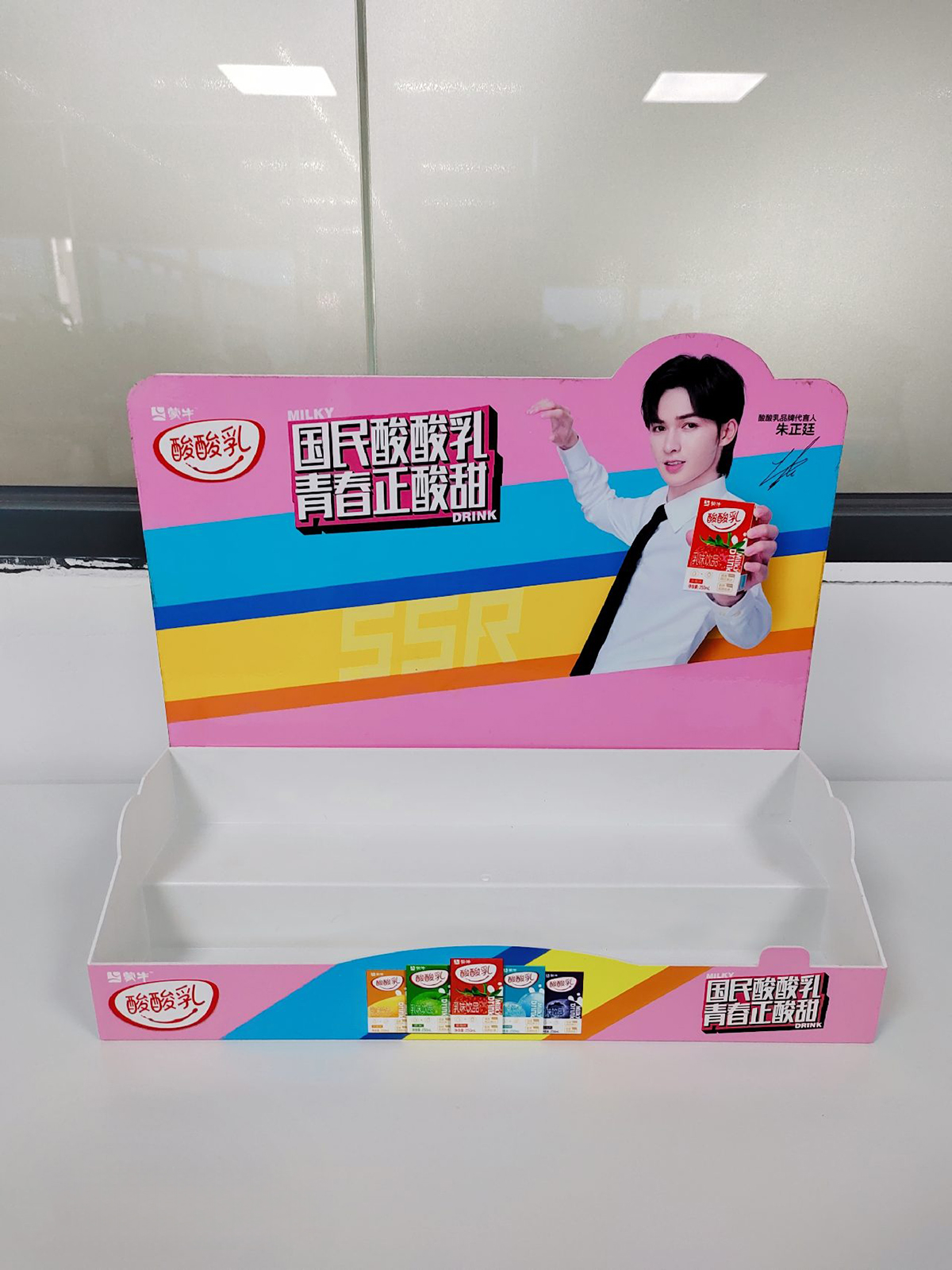
Knock-down (KD) design can help brands reduce the cubic volume shipped to retail, but a 40%+ reduction is a design target, not a universal outcome. Flat pack POP displays achieve savings by shipping components compactly and assembling them near the point of use. The right result depends on the starting package, display structure, and store requirements. A knock down display rack can be a practical candidate when its assembled form contains unused shipping space.

The way to evaluate the opportunity is to compare packed dimensions before and after redesign, then check whether the change reduces chargeable volume without creating assembly or damage problems. A knock down display rack may make retail fixture shipping more efficient when panels, shelves, and supports nest safely. Teams can reduce freight cost by changing the shipping form while preserving the display’s function, branding, and stability in store.
Where KD design creates freight savings
Replace shipped air with nested components
An assembled fixture often has a footprint and height that protect its retail presentation but leave voids inside the carton. Flat pack POP displays can separate large panels and shelves so they stack closely, provided their shapes allow nesting without scratching, bending, or pressure damage. A knock down display rack designed around repeatable panel sizes can use carton space more effectively. This is the central route to reduce freight cost through packaging volume rather than lower product quality.
Start by documenting the current carton’s length, width, and height, including protective material and pallet overhang where relevant. Compare those measurements with a proposed flat package and calculate cubic volume on the same basis. The difference informs retail fixture shipping plans, but the packed sample must also be checked for movement and compression. A knock down display rack that saves space on paper may not deliver savings if extra cartons or protective layers erase the volume reduction.
Set a realistic CBM reduction target
CBM is the cubic volume occupied by a shipment, calculated from its external dimensions. Reducing one dimension does not automatically produce an equal percentage reduction in CBM; all three dimensions matter. Flat pack POP displays can reach a 40%+ reduction when the original package is especially bulky and the redesigned components pack closely. For a reliable comparison, use finished carton measurements and confirm that the retail fixture shipping method uses the same measurement rules.
A useful business case separates volume savings from other costs. A smaller box may reduce freight cost, yet added hardware, assembly labor, or inspection time can affect total landed cost. Record the knock down display rack’s package count per pallet or container alongside its CBM, because carton layout influences utilization. Model realistic loading rather than assuming every space can be filled perfectly, then review the result with the logistics team before approving tooling changes.
How to engineer a shipping-ready display
Design around assembly and store use
Begin with the assembled display’s essential functions: product capacity, shopper access, brand visibility, and the footprint available in store. Then identify which joints can separate without weakening the structure or making setup confusing. Flat pack POP displays should make orientation and connection points clear, especially when store staff have limited setup time. A knock down display rack needs a stable base and secure connections after assembly, not merely a compact shipping shape.
Choose panel dimensions and materials with both shipping and service life in mind. Components that stack neatly can still suffer edge damage, so protective sleeves, corner guards, and interleaving may be necessary. Balance those protections against package size because extra packaging can weaken the retail fixture shipping benefit. Review samples through repeated assembly and disassembly where the display is intended for reuse, and use the findings to reduce freight cost without overlooking handling risks.
Validate the pack before scaling production
Make a physical pack-out sample before finalizing a large order. Have the production team follow the packing sequence, close the cartons, and record final dimensions and gross weight. Flat pack POP displays should be tested for abrasion, shifting, and crushed corners under handling conditions relevant to the route. For a knock down display rack, also confirm that parts can be identified quickly and that assembly instructions match the actual hardware.
Use the sample to compare carton count, pallet pattern, and loading assumptions with the existing configuration. Retail fixture shipping decisions should consider both volume and handling: a narrower carton may improve a load plan, while an unstable stack may require more restraint. Capture any packaging revisions and repeat the measurement after changes. A measured, repeatable pack-out gives purchasing and logistics teams a sound basis to reduce freight cost rather than relying on a prototype estimate.
How to verify savings and manage rollout
Compare like-for-like shipment scenarios
A sound comparison holds product quantity, destination, and shipment assumptions constant. Calculate the baseline CBM and proposed CBM from actual carton dimensions, then account for palletization and any carrier dimensional rules that apply. Flat pack POP displays may reduce the space assigned to each unit, but the final freight impact depends on how many units fit in the shipment. Include labor and protective packaging when judging the overall benefit.
Share the scenario with logistics, operations, and retail teams so the proposed configuration works across the chain. Retail fixture shipping plans should identify who assembles each unit, where components are stored, and what happens to packaging after delivery. If setup moves to stores, verify staff instructions and tools in advance. This operational review helps reduce freight cost while avoiding delays, missing parts, or a display that reaches the floor in poor condition.
Phase the change with clear checkpoints
A controlled rollout begins with a representative shipment and checks carton dimensions, transit condition, setup time, and in-store stability. Compare actual results against the agreed baseline before expanding the pack design. Flat pack POP displays need a documented bill of materials and packing sequence so each run remains consistent. For a knock down display rack, retain clear part identification and a simple way to report assembly issues from stores.
Keep the original assembled configuration available as a reference during review, and change one important packaging variable at a time where practical. Track whether retail fixture shipping performance matches the expected load plan and whether damage or setup issues emerge. Use those observations to adjust component protection, carton dimensions, or instructions. This discipline makes it possible to reduce freight cost based on verified results, while recognizing that a 40%+ CBM reduction may not suit every display or route.
FAQ
Can every display achieve a 40%+ CBM reduction?
No. The opportunity depends on the original carton’s unused space, component geometry, and the protection required in transit. Flat pack POP displays may deliver a substantial change when a bulky assembled form can be separated and nested, but actual carton measurements are essential. Treat 40%+ as a target to test, not a guaranteed result.
What should be checked before shipping a knock-down unit?
Confirm the knock down display rack’s parts, fasteners, instructions, and protective packing, then assemble a sample and inspect it for fit and stability. Retail fixture shipping checks should also cover carton dimensions, weight, and pallet arrangement. These checks reveal whether the compact package works for both transit and store setup.
How can teams estimate whether the redesign will pay off?
Compare actual CBM and shipment loading for the existing and proposed packs, then include packaging, assembly, and handling costs. Flat pack POP displays can reduce freight cost when volume savings are not offset by extra materials or labor. Validate the estimate with a trial shipment before making a broader rollout decision.