 EN

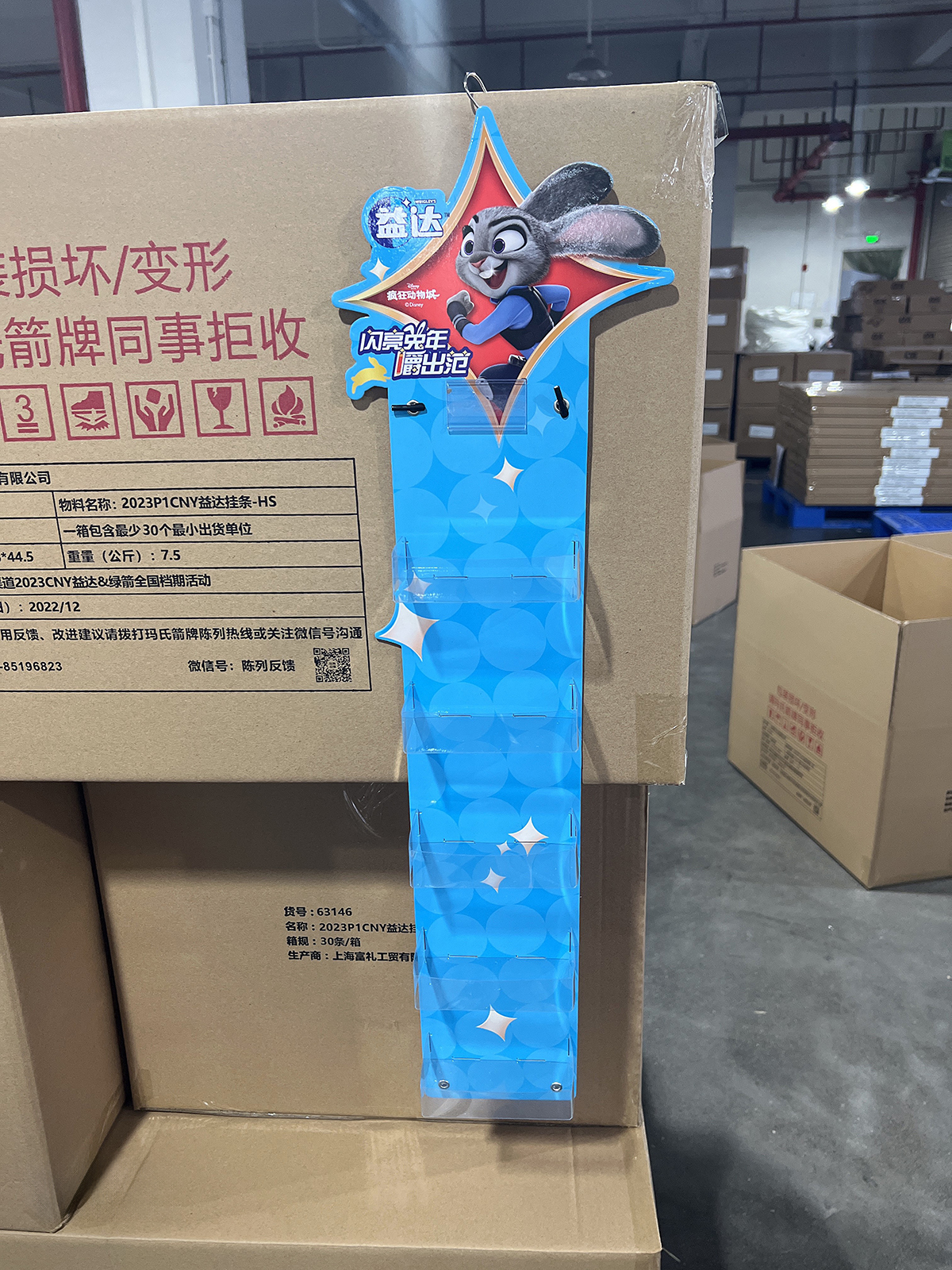
Retailers demand fast-setup POP fixtures because store labor is limited, launch windows are short, and displays must be ready when products arrive. A tool free retail display helps teams move from unpacking to merchandising without searching for tools or assigning specialist labor. An easy assemble display and a clear snap-fit POP rack design can make that handoff more predictable.

The benefit is not simply faster construction. Less complicated assembly can reduce interruptions during resets, lower the chance of missing components, and help stores present a campaign consistently across locations. When in-store setup time is easier to plan, retailers can coordinate deliveries, staff coverage, and product placement with fewer last-minute adjustments.
Why retailers prioritize fast setup
Store labor has competing demands
A display is installed alongside replenishment, customer service, and other daily tasks, so assembly that needs several tools can be difficult to schedule. Retail teams value an easy assemble display because staff can follow a short sequence and return to other work. A snap-fit POP rack can make key connections intuitive.
Simpler handling also helps supervisors assign setup to available staff rather than a specialist. When components have obvious positions, workers spend less time interpreting instructions and checking joints. That can make in-store setup time more manageable across busy shifts, particularly when several campaign fixtures arrive together.
Retail locations rarely have generous staging space, so unpacking and assembly need to happen without blocking aisles or stockroom access. A fixture designed as an easy assemble display can be built close to its final position. A snap-fit POP rack may also limit loose hardware that could be misplaced.
Launch schedules leave little room for delays
Promotional fixtures often arrive near a planned product launch, seasonal reset, or advertising change. Delayed assembly can leave merchandise waiting in cartons or a display absent during its intended selling period. Retailers therefore look for an easy assemble display that makes setup steps easy to understand.
A well-designed snap-fit POP rack can help a store team assemble the structure in a logical order, without pausing to locate separate fasteners. This predictability matters when a location has a fixed reset window. Teams can reserve in-store setup time with more confidence and coordinate it around delivery.
Fast setup also supports consistency between stores. If instructions and connection points are clear, teams are less likely to improvise different assembly methods. That makes the easy assemble display experience more repeatable, while a snap-fit POP rack helps reduce ambiguity at the point where components join.
How tool-free fixtures reduce store friction
Connections simplify the assembly sequence
Tool-free construction depends on parts that connect securely through designed tabs, slots, clips, or other fitted features. Retailers assess whether each step is visible and whether the fixture can be handled safely during assembly. An easy assemble display should make the next action clear, not merely remove a screwdriver.
When parts align without separate tools, staff can focus on orientation and fit instead of hardware management. A snap-fit POP rack can reduce the number of small items handled during setup, but connection design still needs to suit the material and expected use. Clear instructions help prevent forceful or incorrect fitting.
Good sequencing helps teams avoid assembling a panel in the wrong direction or closing access to a later connection. For an easy assemble display, the design should guide the worker from a stable base toward the finished structure. The snap-fit POP rack should make each stage visually distinguishable.
Packaging and instructions support the workflow
A fast assembly promise can be undermined if parts arrive mixed together or instructions are difficult to follow. Retailers should review how components are grouped, labeled, and protected for transit. A snap-fit POP rack benefits from packaging that keeps matching pieces together and makes the first step apparent.
Instructions should use concise language and clear illustrations that match the actual fixture. This is especially useful when an easy assemble display is installed by store staff who did not select or inspect it. A brief check of the instructions before delivery can reveal confusing steps early.
Packaging decisions affect the work area as well as the fixture. Compact, orderly packing can reduce clutter while the team builds and helps staff keep components off the sales floor. Retailers can then reserve in-store setup time for assembly and placement rather than sorting packaging or searching for parts.
Design choices that sustain reliable setup
Fit the fixture to the retail environment
A quick build must still result in a stable fixture suited to its location and merchandise. Buyers should consider footprint, shelf loading, customer access, and the surfaces where the unit will stand. An easy assemble display should be straightforward to position without compromising its intended function.
The connection method should match how often a fixture will be assembled, moved, or stored. A snap-fit POP rack intended for a one-time campaign may have different practical requirements from a unit reused for repeated resets. Retail teams should evaluate the complete handling cycle, not only the first build.
Store conditions matter in the final placement. A narrow aisle, limited stockroom, or uneven floor can affect how staff handle a unit after assembly. For an easy assemble display, dimensions and access points should support movement to the selling position, while a snap-fit POP rack needs joints that are easy to inspect.
Confirm the process before rollout
A sample build can reveal whether the fixture is intuitive for someone who has not seen it before. Ask a representative store user to follow the instructions, identify unclear steps, and note where extra hands are needed. This practical review tests whether the easy assemble display claim matches real conditions.
Retailers can also check that components remain aligned after assembly and that the finished fixture suits the intended products. A snap-fit POP rack should be reviewed for correct engagement at each connection, rather than judged only by how quickly it goes together. Documenting feedback helps refine rollout guidance.
Planning should account for receiving, unpacking, assembly, placement, and any merchandising work that follows. That full sequence gives a more useful view of in-store setup time than assembly alone. When the fixture, packaging, and instructions work together, store teams can prepare the display with fewer avoidable interruptions.
FAQ
Why do retailers value tool-free POP fixtures?
They can simplify store work when staff have limited time and several competing tasks. An easy assemble display makes the build easier to understand, helping teams move from unpacking to placement without tool searches or unnecessary setup steps.
Does a snap-fit design remove the need for instructions?
No. A snap-fit POP rack still needs clear guidance on part orientation, assembly order, and how to confirm each connection is engaged. Instructions help reduce errors and make the process repeatable across different stores and staff members.
How should retailers estimate setup requirements?
Consider delivery handling, unpacking, assembly, movement to the sales floor, and merchandising. In-store setup time depends on the fixture and the location, so a sample build with store staff offers a practical basis for planning labor and reset schedules.