 EN

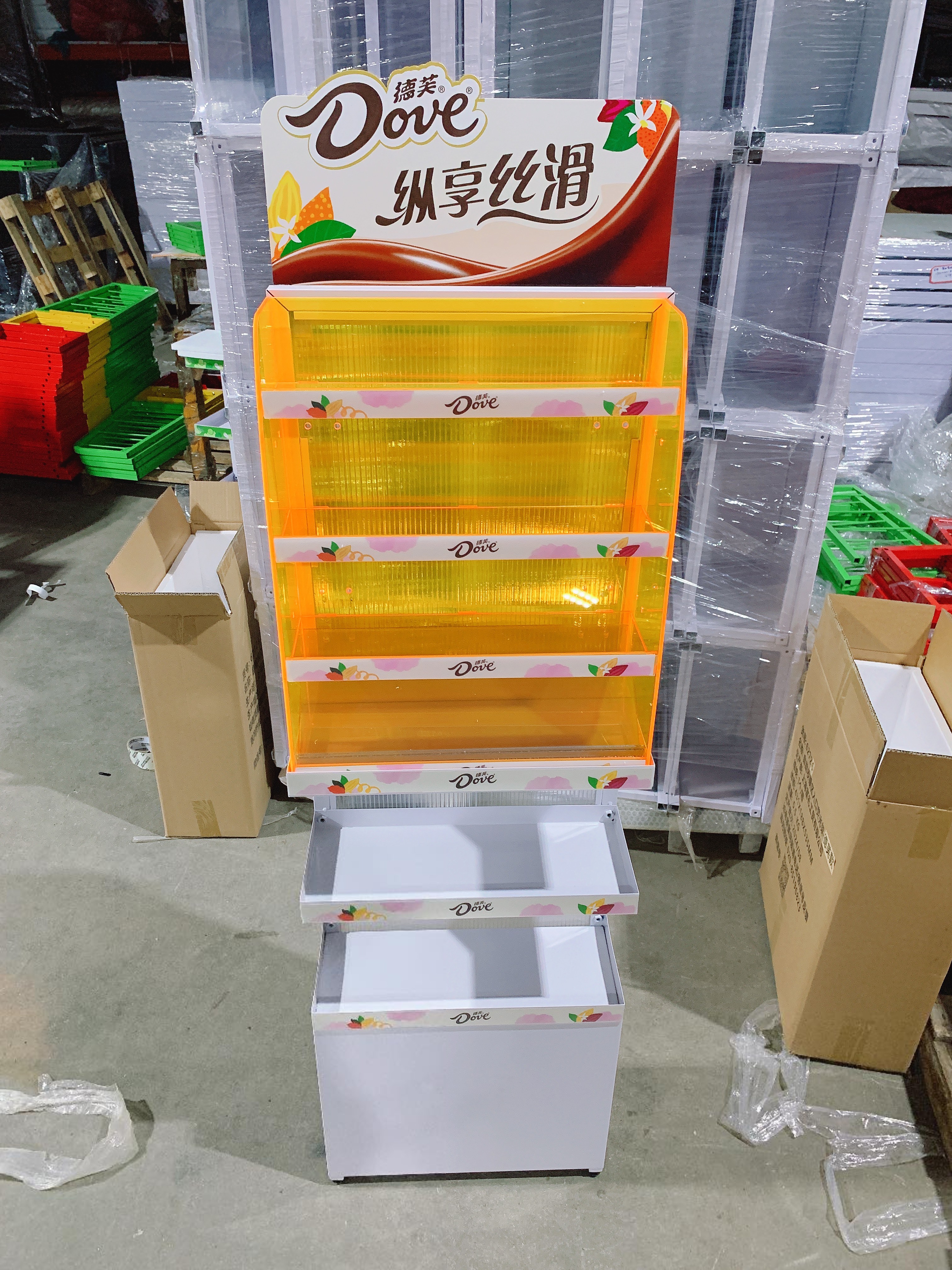
An injection molded POP display can make sense when a retail program needs repeatable parts, a distinctive shape, and enough production volume to spread the initial mold investment. The decision is not simply whether a custom plastic display looks better than an off-the-shelf fixture. Buyers need to weigh tooling, expected quantities, product life, store requirements, and the cost of changing a design after launch. In a plastic injection POP project, those factors determine whether a dedicated mold supports the business case or creates avoidable fixed cost.
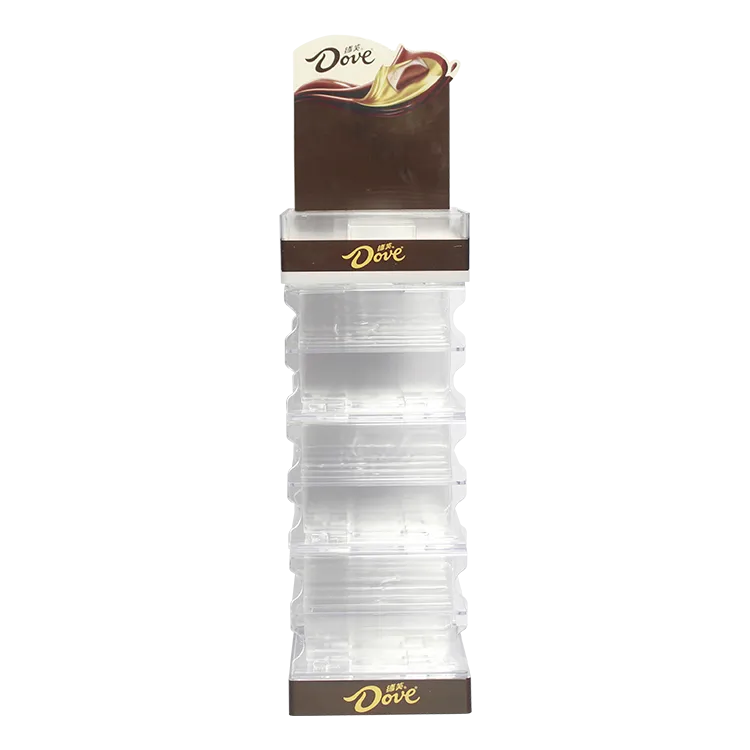
The key is to compare the full program, not just the unit price. A display tooling cost is easier to justify when a design will serve multiple campaigns or product variations, while low-volume, short-lived promotions may favor a simpler route. A custom plastic display can still be worthwhile at modest volume if its configuration solves a specific merchandising problem, but the assumptions behind a plastic injection POP project should be made explicit before approval.
Start with volume, lifespan, and reuse
Estimate the production run realistically
Tooling is a fixed investment, so planned volume has a direct effect on the cost allocated to each unit. Estimate the first order and credible repeat orders separately rather than treating every possible future campaign as guaranteed demand. For a custom plastic display, a stable forecast and a long selling window can spread the display tooling cost across more pieces. A plastic injection POP design that is ordered once for a short event has less opportunity to recover its setup expense.
Use low, expected, and high demand scenarios, then compare the resulting unit economics with other feasible production methods. Include likely scrap, packaging, freight, and any assembly labor in the calculation; the molded part price alone is not the landed cost. If a custom plastic display is intended for several regions or retail formats, confirm that the quantities are genuinely pooled. A display tooling cost should not be justified by optimistic volumes that depend on unapproved rollouts.
Match tool life to the display program
A long-lived fixture or a platform reused across product launches gives a mold more time to earn back its investment. Modular components can let one base support changing graphics, shelves, or product holders, reducing the need to tool a complete new unit for every campaign. In a plastic injection POP program, this reuse needs to be designed in from the start. Confirm that the custom plastic display can accommodate expected product dimensions and retail layouts without compromising stability or access.
Reuse is valuable only when the business will actually keep the platform active. Consider packaging updates, seasonal changes, and likely product revisions before assuming that parts will remain suitable. A sensible display tooling cost assessment identifies which components are durable assets and which are campaign-specific. When the reusable elements are clear, an injection molded display rack can offer a consistent structure while replaceable elements adapt to new merchandising needs.
Calculate the investment beyond the mold quote
Build a complete cost comparison
Ask what the quoted display tooling cost includes, such as mold design, sampling, revisions, and validation. Clarify ownership, storage, maintenance responsibilities, and what happens if the design changes. Then compare the initial spend plus part costs against the expected total cost of the alternative. A plastic injection POP option may have a higher setup burden but lower per-unit cost at sufficient volume; that outcome depends on the part geometry, material, order size, and required finish.
Model the break-even point using realistic quantities and a defined program horizon. Include assembly, decoration, quality checks, transport, and inventory exposure where relevant. For a custom plastic display, shipping volume can matter as much as the molded component price, particularly when the fixture is bulky or ships assembled. Avoid treating a lower quoted unit price as proof of savings if the display tooling cost, storage, or minimum order quantities shift costs elsewhere.
Account for revisions and operating risk
Design maturity changes the risk profile. If dimensions, branding, product packaging, or store requirements are still unsettled, late revisions may require tool changes or create obsolete inventory. A plastic injection POP program is easier to evaluate once the brief has defined load, footprint, access, assembly, and appearance requirements. For a custom plastic display, review samples against actual products and store conditions before authorizing a full production run.
Also consider operational needs that are easy to miss during a price review: replenishment access, cleaning, transport protection, and how staff assemble or reset the unit. These details can influence geometry and therefore the display tooling cost. Build time for testing and approval into the launch plan rather than treating validation as a final formality. The more stable the requirements, the more dependable the investment estimate for a plastic injection POP fixture.
Confirm design readiness and retail fit
Validate the fixture in its intended setting
Before committing, check that the proposed injection molded display rack fits the shelf or floor space, supports the product safely, and allows customers to understand the offer. A physical sample can reveal problems that drawings may not show, such as obstructed access, awkward replenishment, or unstable placement. A custom plastic display should be reviewed by merchandising, operations, and packaging stakeholders, not only by the design team.
For a plastic injection POP structure, make sure the chosen configuration can be produced, packed, and assembled as planned. Check how modules connect, whether parts can be replaced independently, and whether the assembled unit can move through the intended supply chain. These questions help determine if the concept is a practical retail fixture or only a promising rendering. Resolve them early enough to avoid adding unplanned changes to the display tooling cost.
Set a clear approval threshold
Tooling makes sense when expected demand, program duration, design readiness, and operational value align. It is less compelling when forecasts are uncertain, the campaign is brief, or essential product details may change. Document the assumptions that support the business case, including the minimum volume needed, expected reuse, acceptable payback period, and a fallback if demand falls short. This gives a custom plastic display project a decision rule rather than relying on enthusiasm for the concept.
The final review should connect financial and retail evidence. Compare the complete display tooling cost with the value of consistent presentation, efficient setup, and repeat use, without assigning unsupported savings to those benefits. If the project clears the agreed threshold under a cautious scenario and the sample performs in context, proceed with defined approvals and change controls. If it does not, revise the scope or reconsider the plastic injection POP approach before ordering the mold.
FAQ
What production volume makes tooling worthwhile?
There is no universal quantity. Calculate the break-even point from the actual display tooling cost, unit cost, alternatives, and expected repeat orders. Use conservative demand so a custom plastic display is not justified by speculative volume.
Can a short campaign justify a molded display?
Sometimes, if the display solves a high-priority merchandising need or can be reused afterward. A short-run plastic injection POP project should have a clear reason to absorb its fixed investment and a plan for any remaining inventory.
What should be approved before mold production?
Confirm final dimensions, product fit, load requirements, appearance, assembly, packaging, and sample acceptance. Locking these details helps protect the custom plastic display schedule and reduces the risk of unplanned tooling changes.