 EN

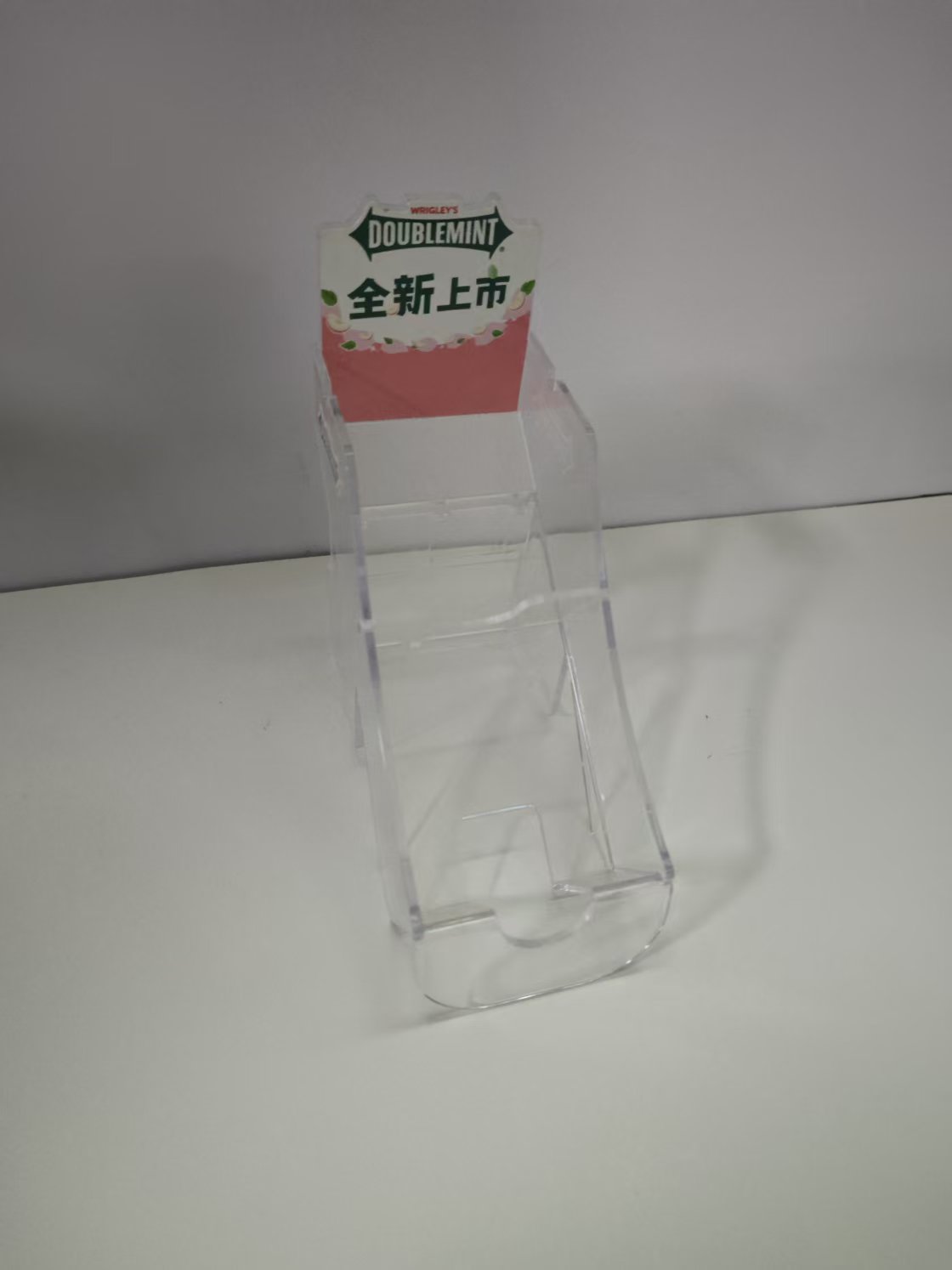
Choosing between permanent vs temporary pop displays is a total-cost decision, not simply a comparison of purchase prices. A cardboard display vs plastic assessment should include freight, setup, maintenance, reuse and disposal, while durable retail fixtures may justify a higher initial investment when a program runs for an extended period. The right calculation starts with the campaign schedule and the conditions each unit must withstand.

A useful ownership model compares the cost of one display over its actual service life, rather than treating every campaign as a new purchase. Estimate the long term POP cost by identifying how many locations need units, how often displays move, and whether parts can be stored and redeployed. This approach helps purchasing, marketing and operations teams evaluate the same assumptions before approving a rollout.
Set the Cost Boundary Before Comparing Options
Define the campaign life and operating conditions
Begin by setting the expected service period, number of store placements and campaign changeover dates. A cardboard display vs plastic decision can look different for a short promotion than for a fixture expected to remain on a sales floor through several seasons. Record exposure to customer contact, cleaning, replenishment and relocation, because these conditions influence the useful life of both formats.
The scope should also include the work required to prepare each unit for use. Durable retail fixtures can require assembly, labeling or store-level placement, while a temporary unit may arrive folded or partly assembled but still need careful handling. Include receiving labor, instructions, packaging removal and the time needed to clear the fixture after the campaign ends.
Include every cost-bearing stage
Map the cost from design approval through end-of-life handling, rather than comparing supplier quotations alone. For a cardboard display vs plastic review, include prototype revisions, production, packing, shipping, storage, installation and disposal or recycling. Apply the same cost categories to both alternatives so the comparison reflects the complete program rather than a selectively favorable portion.
A long term POP cost calculation should separate one-time expenses from recurring expenses. Design and tooling may be concentrated at the start, while replenishment, cleaning, repairs and replacement can recur during use. Durable retail fixtures may have a different cost profile because a larger initial outlay can be spread across multiple campaigns, provided the design remains suitable and the units are actually reused.
Compare Purchase, Handling and Reuse Economics
Measure the delivered and installed cost
Purchase price is only one input; the delivered cost depends on packaging dimensions, shipment quantity and the destination mix. In a cardboard display vs plastic comparison, estimate freight per usable unit and account for damage risk during transit, not just the quoted production cost. A compact pack can reduce shipping and storage requirements, while a bulky assembled format may increase them.
Then calculate installation across the full store network. Durable retail fixtures can be designed for repeat assembly, but teams should validate how long setup takes and whether tools or trained labor are needed. Temporary displays also require setup and removal, and small differences in store labor can matter when multiplied across many locations and campaign cycles.
Model reuse without assuming it
Reuse creates value only when the display survives, is recovered and fits the next campaign. A long term POP cost model should include collection, inspection, cleaning, storage and redistribution, along with the percentage of units expected to return in usable condition. If those steps are impractical, a theoretical multi-year life will overstate the economic benefit.
For durable retail fixtures, confirm that graphics, dimensions and product capacity can support future assortments before counting another use. A cardboard display vs plastic analysis should likewise distinguish a single-use structure from a design intended for repeated handling. Assign realistic reuse cycles based on operational evidence, then divide relevant upfront costs across those cycles rather than assuming unlimited service.
Choose the Better Fit for the Program
Match display life to campaign duration
Short seasonal promotions, temporary launches and frequent creative changes often favor flexibility over extended service life. The long term POP cost may be less important when a display will be removed after a defined campaign, but removal and disposal still belong in the budget. A cardboard display vs plastic choice should reflect whether the lighter, short-run solution meets merchandising and handling needs.
For ongoing placement, durable retail fixtures may make more sense when stores need stable presentation and the design can remain relevant. Compare the purchase and deployment costs with expected replacement frequency, repair needs and storage between campaigns. Permanent does not mean suitable forever; a fixture that cannot adapt to changing products or brand messaging may be retired sooner than planned.
Use a transparent scenario calculation
Build a base case and a cautious case for each option, using the same store count and campaign assumptions. In the long term POP cost estimate, vary the expected reuse rate, return rate and service period rather than relying on a single optimistic forecast. The result should show which assumptions drive the decision and where operational teams need better data.
Finally, document nonfinancial requirements such as visual consistency, safety, product access and ease of replenishment. A cardboard display vs plastic evaluation is strongest when it measures those requirements alongside dollars instead of treating materials as a proxy for quality. Select durable retail fixtures when their service life and adaptability match the program, and choose temporary formats when speed, campaign specificity or planned turnover carries greater value.
FAQ
Which cost should be compared first?
Start with delivered and installed cost per store, then add expected campaign duration and end-of-life handling. A cardboard display vs plastic comparison is more useful when both options use the same scope, locations and labor assumptions. Include storage or return logistics when reuse is part of the plan.
Does a higher initial price make a display more economical?
Not automatically. A long term POP cost estimate may favor a higher-priced option if units are reused in practice and remain fit for future campaigns. Include inspection, cleaning, storage and redeployment costs before treating additional service life as a saving.
When are durable fixtures a better fit?
Durable retail fixtures are worth evaluating for programs with sustained placement, repeat use and stable merchandising needs. If campaign messaging changes often or recovery is difficult, a temporary solution may fit better. Assess the actual operating plan rather than relying on the permanent or temporary label alone.