 EN
EN

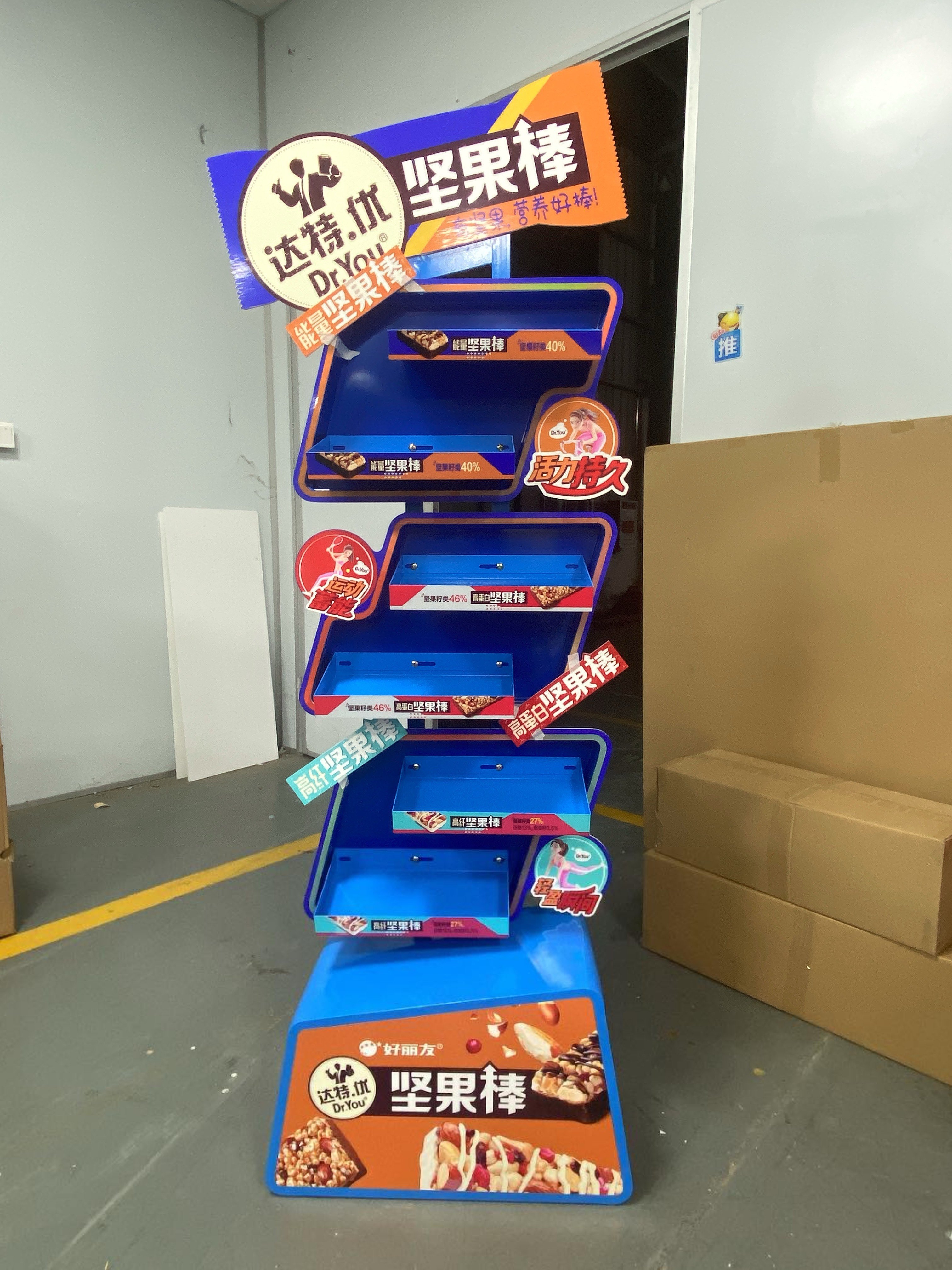
Choosing the right material for a snack display is one of the most important decisions a retailer or brand manager will make. The material determines not only how long the snack display lasts, but also how it performs under daily handling, product weight, and the environmental conditions typical in convenience stores, supermarkets, and retail environments. A poorly chosen material leads to sagging shelves, cracked panels, and a snack display that loses its appeal within weeks of installation.
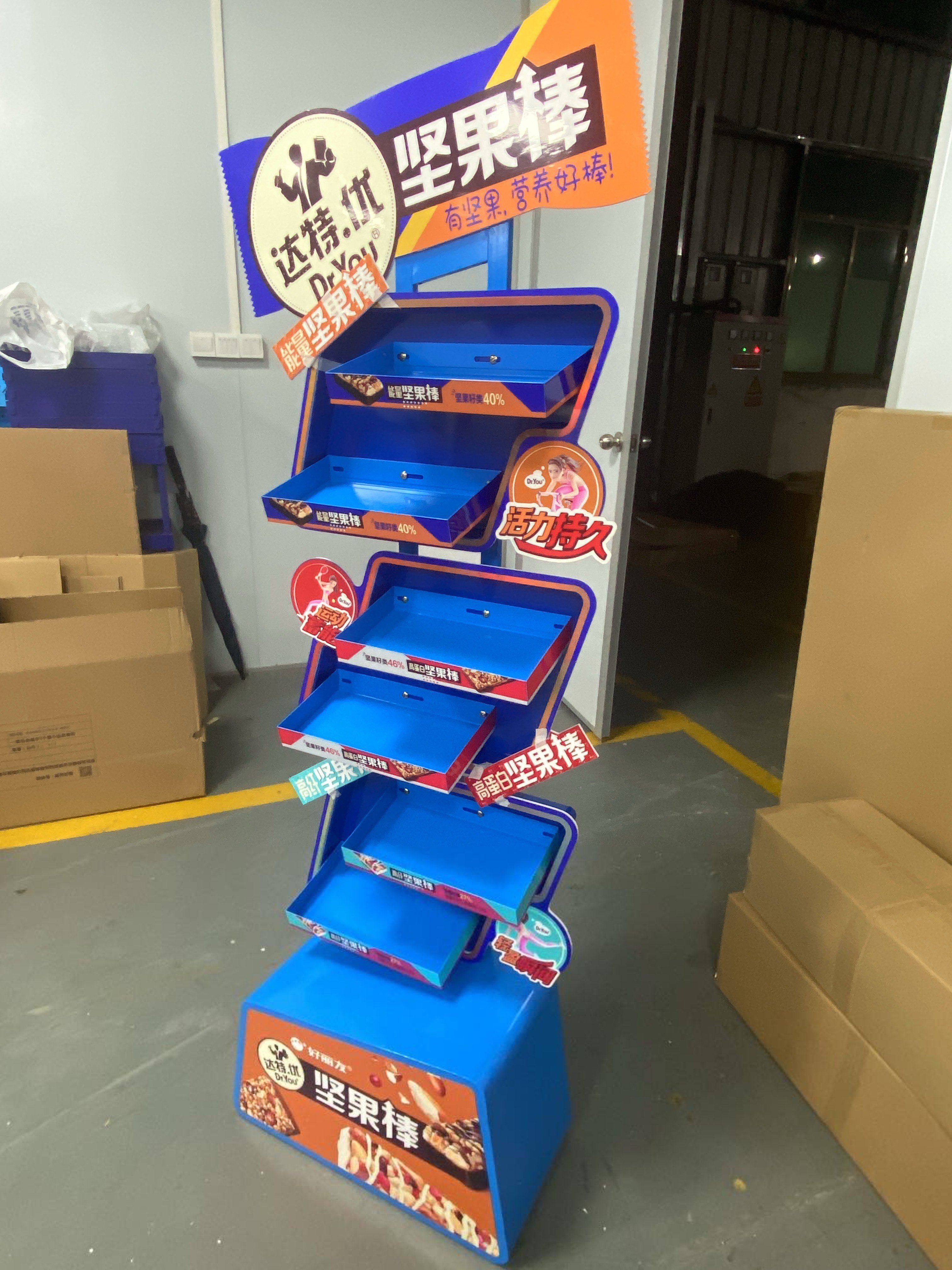
Understanding which materials support a durable snack display requires looking at structural integrity, visual clarity, weight capacity, and resistance to the wear that comes with high-traffic retail settings. This article breaks down the leading material categories used in snack display construction, explains the properties that make each suitable or unsuitable for specific conditions, and provides guidance so procurement teams and brand managers can make confident, informed decisions when specifying or ordering a new snack display.
Rigid Plastics and Their Role in Snack Display Durability
Acrylic as a Premium Snack Display Material
Acrylic is one of the most widely used materials in snack display construction, and for strong reasons. Its optical clarity allows shoppers to see products from multiple angles without obstruction, which is critical for impulse-driven snack categories. A snack display built from acrylic also resists yellowing over time when UV-stabilized grades are used, maintaining a premium appearance across months of floor use. Acrylic is rigid enough to hold moderate product loads without bending, and its smooth surface is easy to clean, which is important in food retail environments where hygiene standards apply.
The main consideration with acrylic in a snack display is impact resistance. Acrylic is stiffer than polycarbonate, meaning it can crack under sharp impact rather than flex. For a snack display positioned in a high-traffic aisle where carts or customer contact is frequent, this trade-off should factor into the material specification decision.
Polycarbonate for High-Impact Snack Display Applications
Polycarbonate offers superior impact resistance compared to acrylic, making it the preferred material for a snack display placed in environments where physical stress is higher. A polycarbonate snack display can absorb bumps and knocks without shattering, which extends its usable service life significantly. This material is slightly less optically clear than acrylic but still provides excellent product visibility, and it handles temperature variation better, making it suitable for snack display units positioned near refrigerated sections or in stores with inconsistent climate control.
From a weight and structural standpoint, polycarbonate allows a snack display to be both lightweight and strong. This combination reduces shipping costs and makes floor repositioning easier without sacrificing the load-bearing capacity needed to hold multiple snack products across several tiers.
Metal and Composite Structures in Snack Display Design
Steel Wire Frames for Heavy-Duty Snack Display Units
Steel wire and tubular steel remain foundational materials for heavy-duty snack display structures, particularly in warehouse-style retail environments or convenience stores with high restocking frequency. A steel-framed snack display provides exceptional load-bearing strength and resists deformation over time even when shelves are fully loaded. Powder-coated finishes protect steel surfaces from rust and surface wear, which is critical for a snack display that must maintain appearance alongside function.
Steel snack display units do carry higher weight, which affects transport cost and floor mobility. For permanent or semi-permanent snack display installations, this trade-off is generally acceptable. The structural rigidity of steel also allows a snack display to be configured with adjustable shelf heights, giving retailers flexibility as their product mix changes across seasons.
Composite and MDF-Based Snack Display Structures
Medium-density fiberboard and composite wood materials are used in snack display construction when brands want a warm, premium aesthetic combined with reasonable structural performance. A snack display built on an MDF base can support branded graphics, laminates, and custom colors more easily than metal or plastic alone. MDF-based snack display units are common in specialty food retail and branded temporary displays at the end of aisles where visual impact matters as much as longevity.
The limitation of MDF in a snack display is moisture sensitivity. In environments with high humidity or near open refrigeration units, MDF can expand or delaminate over time. For short-term campaigns, this is manageable. For a snack display intended to run for twelve months or more, composite materials should be sealed or combined with plastic or metal reinforcement to protect structural integrity.
Surface Finishes and Coatings That Extend Snack Display Life
Protective Coatings on Plastic Snack Display Surfaces
Beyond the base material, the surface finish applied to a snack display plays a direct role in its durability. Anti-scratch coatings on acrylic and polycarbonate snack display surfaces prevent the micro-abrasions that accumulate through daily product placement and removal. Over time, uncoated surfaces on a snack display develop a hazy appearance that reduces visual appeal and makes printed graphics harder to read, which directly impacts the snack display effectiveness at the point of sale.
UV-resistant surface treatments are equally important for a snack display positioned near windows or under strong artificial lighting. Without UV protection, plastics in a snack display can fade, yellow, or become brittle, especially in convenience stores where lighting runs continuously. Specifying UV-coated panels for a snack display adds marginal cost but delivers a much longer functional and visual service life.
Powder Coating on Metal Snack Display Components
For metal components of a snack display, powder coating provides the most durable finish available at commercial scale. A powder-coated snack display resists chipping, scratching, and rust far better than liquid paint or electroplating. The finish bonds chemically to the metal surface, creating a resilient barrier that holds up under the physical contact typical in retail settings. Choosing a high-quality powder coat specification for a snack display means less touchup maintenance and a consistent brand appearance across the display fleet.
FAQ
What is the most durable material for a snack display in high-traffic stores?
Polycarbonate and powder-coated steel are the most durable materials for a snack display in high-traffic retail environments. Polycarbonate handles impact well while remaining lightweight, and steel provides maximum load-bearing strength for a snack display that must support heavy or bulky snack products across multiple tiers.
How does material choice affect the visual appeal of a snack display?
Material choice directly affects whether a snack display maintains its visual clarity, color accuracy, and surface finish over time. Acrylic offers the best optical transparency for a snack display, while coated metals and laminated composites support richer branded aesthetics. Choosing a material without UV protection or scratch-resistant coatings will cause a snack display to degrade visually within months of use.
Can a single snack display use multiple materials effectively?
Yes. Many effective snack display designs combine materials to balance cost, weight, strength, and aesthetics. A common approach is to use a steel or metal frame for structural support while incorporating acrylic or polycarbonate panels for product visibility. This hybrid construction gives a snack display the structural durability of metal combined with the visual clarity of high-quality plastic, resulting in a snack display that performs well across both functional and brand presentation criteria.