 EN
EN

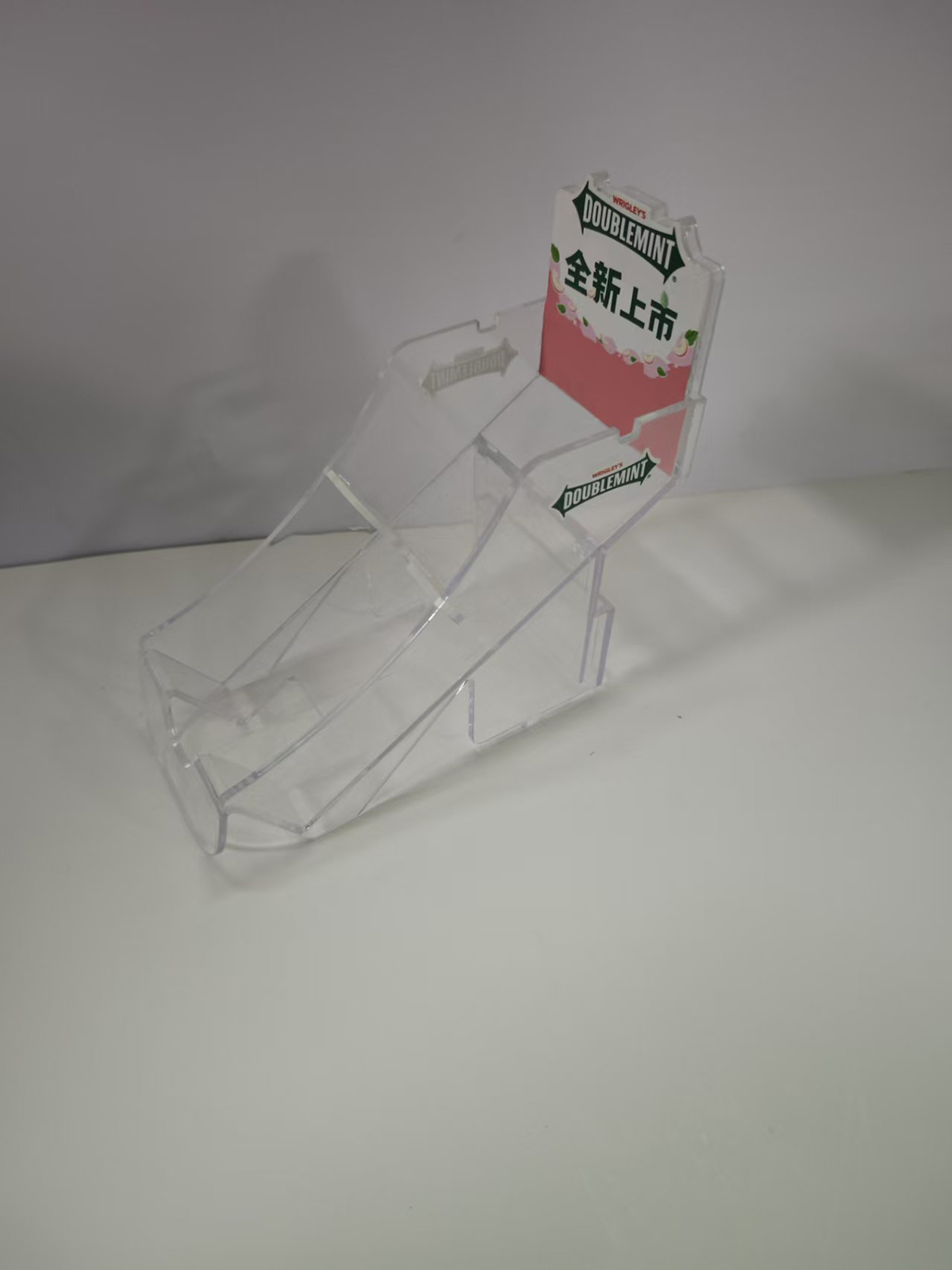
The fast-moving consumer goods industry has undergone a remarkable transformation in recent years, with retail environments becoming increasingly competitive battlegrounds where brand visibility determines success. Strategic point-of-purchase display design has emerged as a critical differentiator, with studies showing that well-executed POP campaigns can drive sales increases of 15-30% within the first quarter of implementation. Modern retailers are discovering that acrylic display stands offer unparalleled versatility in creating eye-catching presentations that capture consumer attention at crucial decision-making moments. The integration of transparent materials with strategic positioning creates an aesthetic appeal that enhances product visibility while maintaining the clean, professional appearance that contemporary shoppers expect.

The Psychology Behind Effective POP Display Positioning
Consumer Behavior at Point of Purchase
Research conducted by leading retail analytics firms reveals that approximately 70% of purchasing decisions occur at the point of sale, making strategic display placement absolutely crucial for FMCG success. The average consumer spends only 2.3 seconds evaluating a product before making their selection, which means that acrylic display stands must immediately communicate value proposition and brand identity. Understanding the psychological triggers that influence impulse purchases allows retailers to position displays in high-traffic zones where visual impact is maximized. The transparency of acrylic materials creates an illusion of spaciousness while allowing products to appear as if they're floating, which naturally draws the eye and encourages closer examination.
Modern shoppers navigate retail environments with specific behavioral patterns that can be leveraged through intelligent display design. Eye-tracking studies demonstrate that consumers typically scan shelves in a Z-pattern, starting from the upper left and moving across before descending to lower levels. Strategic placement of acrylic display stands within this natural viewing pattern significantly increases product visibility and engagement rates. The psychological principle of perceived value also plays a crucial role, as products presented on elevated, well-designed displays are often perceived as premium offerings worthy of higher price points.
Color Psychology and Material Selection
The choice of display materials directly influences consumer perception and purchasing behavior, with acrylic offering unique advantages in creating psychological connections between brands and customers. Transparent acrylic display stands provide a neutral backdrop that allows product colors to appear more vibrant and appealing, while also conveying messages of cleanliness and modernity that resonate with health-conscious consumers. The interplay between ambient lighting and acrylic surfaces creates dynamic visual effects that change throughout the day, maintaining consumer interest and preventing display fatigue. This adaptability is particularly valuable in FMCG retail environments where maintaining visual freshness is essential for sustained sales performance.
Color temperature and reflection properties of acrylic materials can be strategically manipulated to enhance specific product categories. For food and beverage items, the crystal-clear properties of high-quality acrylic create an appetizing presentation that suggests freshness and quality. Personal care products benefit from the sophisticated appearance that acrylic displays provide, elevating perceived brand value and justifying premium pricing strategies. The versatility of acrylic allows for subtle tinting and texturing effects that can complement brand color schemes while maintaining the transparency that makes products appear more accessible and desirable to consumers.
Design Principles for Maximum Sales Impact
Strategic Height and Angle Optimization
The vertical positioning of acrylic display stands plays a critical role in maximizing product visibility and accessibility across diverse consumer demographics. Research indicates that displays positioned at eye level generate 35% more interaction than those placed at floor level, making height adjustment a crucial consideration for FMCG retailers. Multi-tiered acrylic display stands allow for strategic product arrangement that guides consumers through a visual hierarchy, with premium items positioned at optimal viewing angles to command attention. The ability to create graduated displays that accommodate various product sizes while maintaining visual coherence is one of the key advantages that acrylic materials offer over traditional display options.
Angular positioning of display surfaces can dramatically influence consumer perception and engagement rates. Slight forward tilting of acrylic display stands improves product visibility while creating a dynamic visual effect that suggests movement and energy. This subtle design element encourages consumers to reach for products and creates a more interactive shopping experience. The precision molding capabilities of modern acrylic manufacturing allow for complex geometric shapes that would be impossible to achieve with other materials, enabling retailers to create truly unique display solutions that reflect their brand personality while optimizing sales performance.
Modular Design Systems for Flexibility
Contemporary retail environments demand display solutions that can adapt quickly to changing inventory requirements and seasonal promotions. Modular acrylic display stands offer unparalleled flexibility in configuration, allowing retailers to create custom arrangements that maximize space utilization while maintaining visual appeal. The interlocking capabilities of well-designed acrylic systems enable rapid reconfiguration without tools or specialized knowledge, reducing labor costs and improving operational efficiency. This adaptability is particularly valuable for FMCG retailers who must frequently adjust displays to accommodate new product launches and promotional campaigns.
Standardization of modular components ensures long-term sustainability and cost-effectiveness of display investments. When acrylic display stands are designed with consistent connection points and proportional relationships, retailers can expand their display systems incrementally without compromising visual coherence. The durability of acrylic materials ensures that modular components maintain their structural integrity and visual appeal even after repeated assembly and disassembly cycles. This longevity makes acrylic display systems particularly attractive for retailers who prioritize sustainable business practices and long-term cost management.
Implementation Strategies for FMCG Success
Category-Specific Display Optimization
Different FMCG product categories require tailored approach strategies when implementing acrylic display stands to maximize their unique selling propositions. Confectionery products benefit from displays that emphasize color and texture, with acrylic surfaces providing the clarity needed to showcase product appeal without interference. Beverage displays require structural considerations that accommodate varying bottle shapes and sizes while maintaining stability during high-traffic periods. The chemical resistance of quality acrylic materials makes them ideal for displaying products that may leak or spill, protecting the display investment while maintaining professional appearance standards.
Personal care and cosmetic products demand display solutions that convey luxury and sophistication, areas where acrylic display stands excel due to their premium appearance and customization possibilities. The ability to incorporate subtle lighting effects within acrylic structures creates an upscale atmosphere that encourages impulse purchases and brand loyalty. Health and wellness products benefit from the clean, clinical appearance that acrylic provides, reinforcing messages about purity and efficacy that are crucial for category success. Understanding these category-specific requirements allows retailers to select and position acrylic display stands for maximum impact on their target demographics.
Seasonal Adaptation and Promotional Integration
The ability to quickly adapt display configurations for seasonal promotions and special events is essential for maintaining competitive advantage in FMCG retail. Acrylic display stands can be easily modified with temporary graphics, seasonal colors, and promotional messaging without compromising their structural integrity or long-term usability. The neutral appearance of clear acrylic provides an ideal foundation for seasonal decorative elements while ensuring that the focus remains on the products being promoted. This adaptability allows retailers to create fresh, engaging displays that capture seasonal shopping moods and drive incremental sales during peak periods.
Integration of promotional messaging with acrylic display stands requires careful consideration of visual balance and information hierarchy. The transparency of acrylic allows for creative layering of promotional elements without overwhelming the primary product presentation. Strategic use of colored acrylic accents can reinforce promotional themes while maintaining the clean appearance that consumers associate with quality and value. Successful promotional integration requires understanding how acrylic display stands can complement rather than compete with promotional messaging, creating cohesive presentations that drive both immediate sales and long-term brand recognition.
Technology Integration and Smart Display Solutions
Digital Enhancement Opportunities
The integration of digital technology with traditional acrylic display stands represents the next evolution in FMCG retail presentation strategies. LED lighting systems can be seamlessly incorporated into acrylic structures, creating dynamic lighting effects that change color, intensity, and pattern to attract attention and communicate promotional messages. Smart sensors embedded within acrylic display stands can track consumer interaction patterns, providing valuable data about product popularity and optimal positioning strategies. This combination of traditional display excellence with cutting-edge technology creates opportunities for enhanced consumer engagement and measurable performance improvement.
Near-field communication technology and QR code integration allow acrylic display stands to serve as bridges between physical and digital shopping experiences. Consumers can access detailed product information, reviews, and promotional offers simply by interacting with strategically placed technology elements within the display structure. The durability and clarity of acrylic materials make them ideal substrates for housing these technological components while maintaining the clean, professional appearance that consumers expect. This technological enhancement transforms simple product displays into interactive marketing platforms that can drive both immediate sales and long-term customer engagement.
Data-Driven Display Optimization
Modern retail analytics provide unprecedented insights into consumer behavior patterns that can be leveraged to optimize acrylic display stands positioning and configuration. Heat mapping technology reveals exactly where consumers focus their attention, allowing retailers to position their most profitable products in high-engagement zones within display structures. Purchase correlation data can inform decisions about which products to group together on multi-tiered acrylic display stands, maximizing cross-selling opportunities and increasing average transaction values. The transparency and flexibility of acrylic materials make it easy to implement data-driven adjustments without major infrastructure investments.
Real-time performance monitoring enables continuous optimization of display strategies based on actual sales results rather than assumptions about consumer behavior. Acrylic display stands equipped with weight sensors or camera systems can track inventory levels and product interaction rates, automatically triggering restocking alerts or promotional adjustments when performance metrics indicate optimization opportunities. This data-driven approach transforms static displays into dynamic sales tools that adapt automatically to changing market conditions and consumer preferences, maximizing return on display investment while reducing manual management requirements.
Cost-Effectiveness and ROI Analysis
Long-Term Investment Value
The superior durability and longevity of quality acrylic display stands make them exceptionally cost-effective investments for FMCG retailers focused on sustainable growth strategies. Unlike traditional display materials that may degrade, discolor, or crack under normal retail conditions, premium acrylic maintains its clarity and structural integrity for years of continuous use. This longevity translates into lower replacement costs and reduced maintenance requirements, allowing retailers to allocate more resources toward inventory and marketing rather than display infrastructure. The ability to reconfigure and repurpose acrylic display stands for different product categories and promotional campaigns further enhances their investment value.
Return on investment calculations for acrylic display stands must consider both direct sales impact and indirect benefits such as improved brand perception and customer experience. Studies indicate that well-designed displays can increase product sales by 20-40% while simultaneously reducing the floor space required for product presentation. The space efficiency of acrylic display stands allows retailers to maximize revenue per square foot while creating more engaging shopping environments. Additionally, the professional appearance of acrylic displays contributes to overall store image and customer satisfaction scores, which correlate with increased customer loyalty and repeat purchase behavior.
Operational Efficiency Benefits
The lightweight nature and modular design of acrylic display stands significantly reduce the time and labor required for display setup, reconfiguration, and maintenance activities. Staff can quickly assemble and modify display configurations without specialized tools or extensive training, reducing operational costs and improving response times for promotional campaigns. The smooth surfaces of acrylic display stands require minimal cleaning effort compared to textured or porous materials, further reducing ongoing maintenance costs. These operational efficiencies allow retail staff to focus on customer service and sales activities rather than display maintenance tasks.
Inventory management benefits from the clear visibility that acrylic display stands provide, allowing staff to quickly assess stock levels and identify restocking needs from a distance. The uniform appearance of acrylic displays creates a professional, organized appearance that facilitates efficient store operations and enhances the shopping experience. Standardized acrylic display stands components can be easily stored and transported, reducing warehousing costs and improving supply chain efficiency. These operational advantages contribute significantly to the total cost of ownership calculations that justify initial investments in quality acrylic display solutions.
Future Trends and Industry Evolution
Sustainability and Environmental Considerations
The growing emphasis on environmental sustainability is driving innovation in acrylic display stands manufacturing processes and material composition. Recycled acrylic materials now offer performance characteristics comparable to virgin materials while reducing environmental impact and supporting corporate sustainability goals. The longevity of acrylic display stands contributes to waste reduction by eliminating the need for frequent replacements that burden landfills with display waste. Manufacturers are developing take-back programs that allow retailers to return worn acrylic display stands for recycling into new display products, creating circular economy models that align with modern sustainability values.
Energy efficiency considerations are influencing the design of acrylic display stands to maximize natural light utilization and reduce dependence on artificial illumination. The light-conducting properties of acrylic can be leveraged to create displays that appear luminous without consuming electricity, reducing operational costs while maintaining visual impact. Bio-based acrylic alternatives are emerging that maintain the clarity and durability advantages of traditional materials while reducing carbon footprint and supporting renewable resource utilization. These sustainability innovations position acrylic display stands as forward-thinking solutions that meet both current performance requirements and future environmental standards.
Customization and Personalization Advances
Advanced manufacturing techniques are making highly customized acrylic display stands increasingly accessible to retailers of all sizes, enabling unique brand expression and competitive differentiation. 3D printing capabilities allow for complex geometric shapes and integrated features that would be impossible to achieve through traditional manufacturing methods. Digital printing technology enables direct application of graphics and branding elements onto acrylic surfaces with precision and durability that exceeds traditional vinyl applications. These customization advances allow retailers to create displays that perfectly reflect their brand identity while optimizing product presentation for their specific customer demographics.
Personalization extends beyond visual customization to include functional adaptations that address specific retail environment requirements and product categories. Acrylic display stands can now incorporate climate control features, security elements, and interactive components that enhance both product preservation and customer experience. The integration of smart materials that respond to environmental conditions or consumer interaction creates possibilities for displays that adapt automatically to optimize performance throughout the day. These personalization capabilities transform acrylic display stands from simple product holders into sophisticated marketing tools that actively contribute to sales success and brand building efforts.
FAQ
How do acrylic display stands compare to traditional materials in terms of durability and performance
Acrylic display stands offer superior impact resistance compared to glass while maintaining exceptional optical clarity that plastic alternatives cannot match. The material resists yellowing, cracking, and chemical damage under normal retail conditions, providing years of reliable service without degradation. Unlike wood or metal displays, acrylic does not require protective coatings or treatments that can wear away over time, maintaining consistent appearance throughout its service life. The lightweight nature of acrylic reduces stress on retail fixtures while providing structural strength comparable to much heavier materials.
What maintenance requirements should retailers expect with acrylic display stands
Acrylic display stands require minimal maintenance beyond regular cleaning with mild soap solutions and soft cloths to maintain their crystal-clear appearance. The non-porous surface resists staining and odor absorption, making them ideal for food and beverage applications where hygiene is paramount. Scratches can be easily buffed out using standard acrylic polishing compounds, extending the useful life of displays and maintaining professional appearance standards. The chemical resistance of quality acrylic prevents damage from cleaning products and accidental spills that might destroy displays made from other materials.
How can retailers maximize return on investment when implementing acrylic display stands
Strategic positioning in high-traffic zones and at optimal viewing heights generates the greatest sales impact from acrylic display stands investments. Retailers should focus on products with higher profit margins and impulse purchase potential when selecting items for premium display positioning. Regular performance monitoring and adjustment based on sales data ensures that acrylic display stands continue delivering maximum value throughout their service life. The modular nature of quality acrylic systems allows for continuous optimization and reconfiguration as product mix and promotional requirements change.
What factors should influence the selection of acrylic display stands for different product categories
Product weight and size requirements determine the structural specifications needed for safe and stable display presentation. Food and beverage products benefit from acrylic display stands with enhanced chemical resistance and easy-cleaning surfaces that meet food safety standards. Cosmetic and personal care items require displays that convey luxury and sophistication through premium acrylic materials and elegant design elements. The frequency of product rotation and promotional changes should influence the selection of modular versus fixed acrylic display stands configurations to optimize operational efficiency and flexibility.
Table of Contents
- The Psychology Behind Effective POP Display Positioning
- Design Principles for Maximum Sales Impact
- Implementation Strategies for FMCG Success
- Technology Integration and Smart Display Solutions
- Cost-Effectiveness and ROI Analysis
- Future Trends and Industry Evolution
-
FAQ
- How do acrylic display stands compare to traditional materials in terms of durability and performance
- What maintenance requirements should retailers expect with acrylic display stands
- How can retailers maximize return on investment when implementing acrylic display stands
- What factors should influence the selection of acrylic display stands for different product categories