Pop Displays Marketing for Retail Growth

Get a Free Quote

Share your display requirements and our team will follow up with a suitable direction.
Company Name
Country/Region
Mobile
Email
WhatsApp
Name
Message
0/1000

pop displays marketing

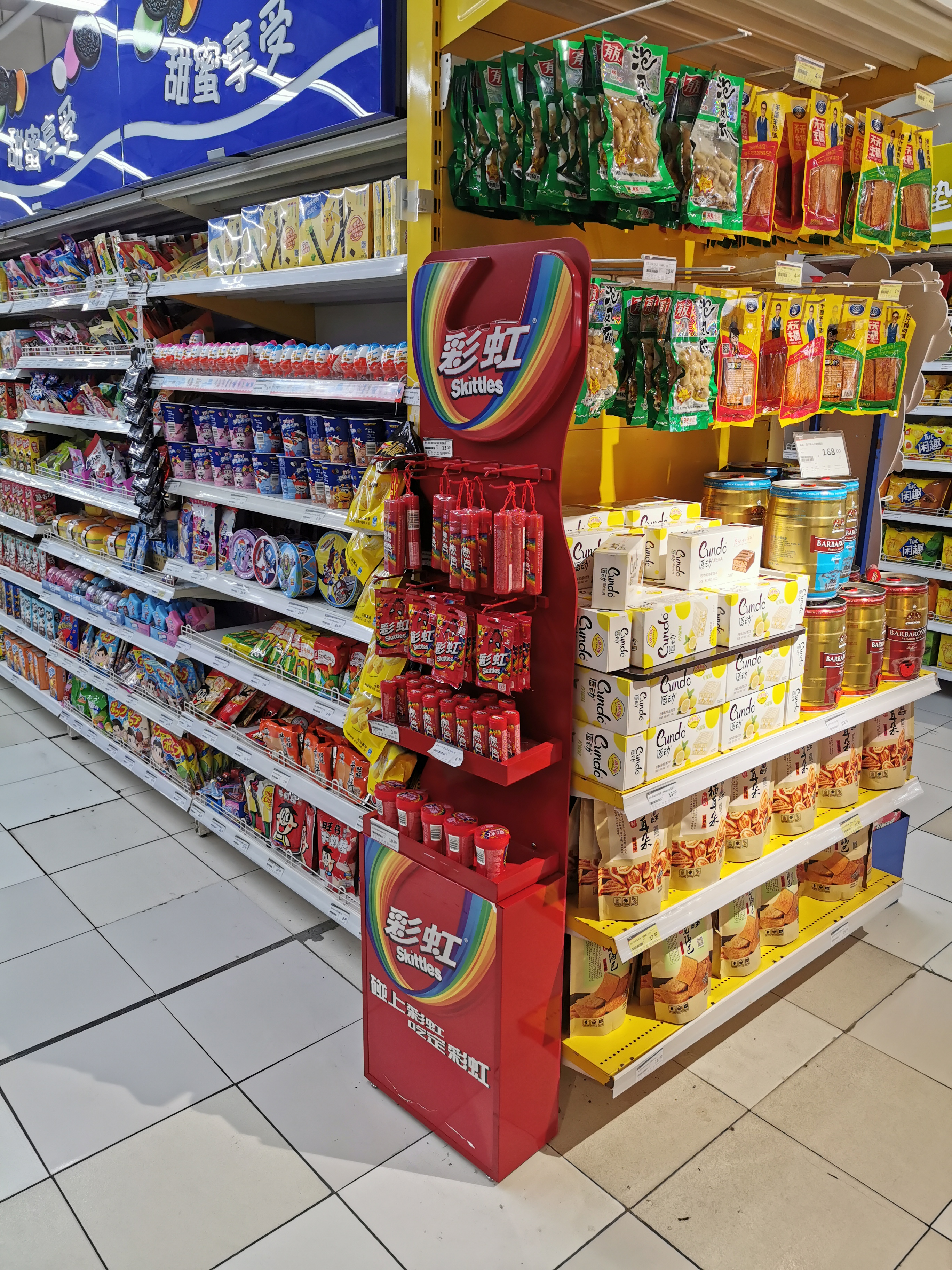
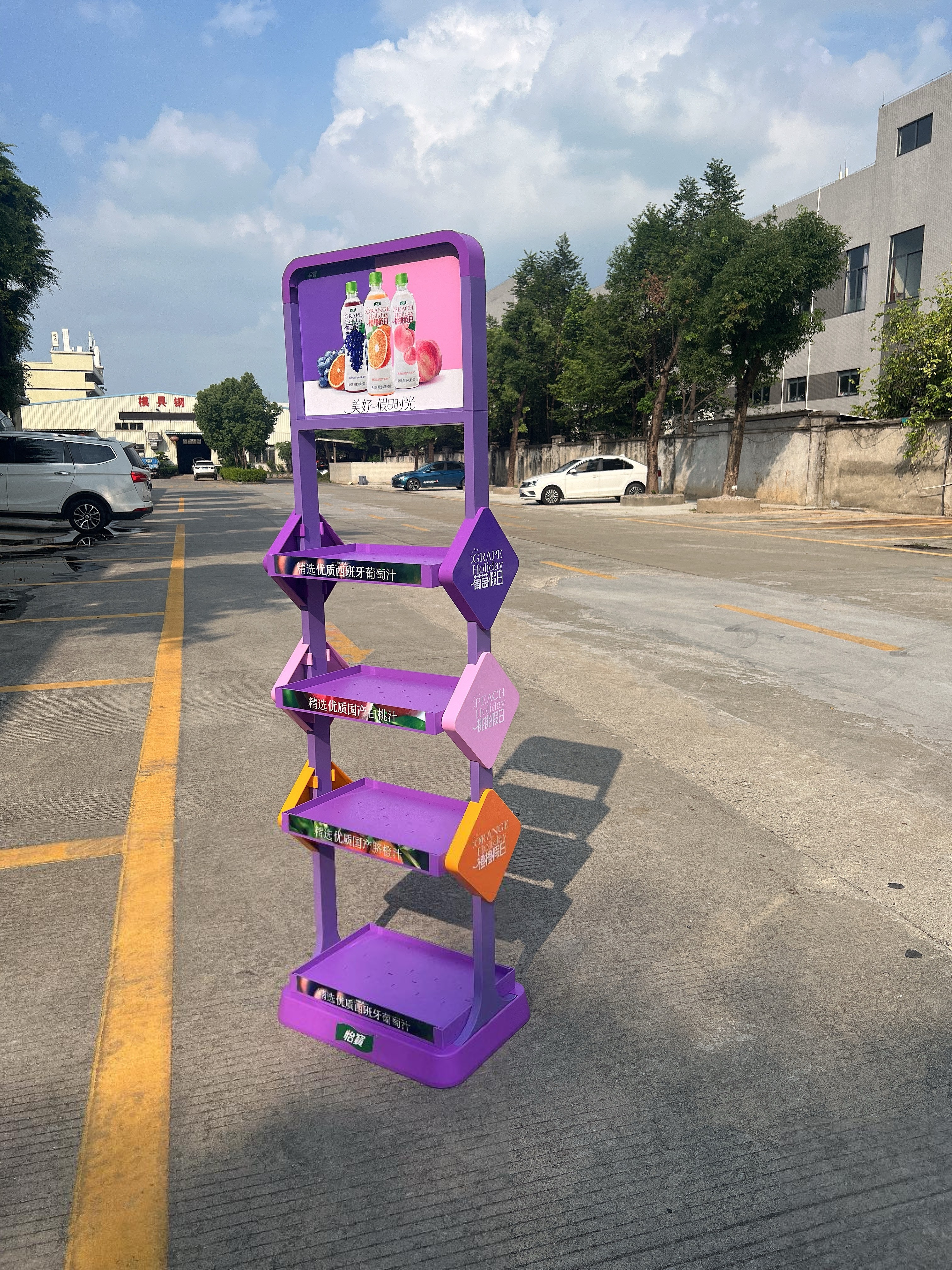
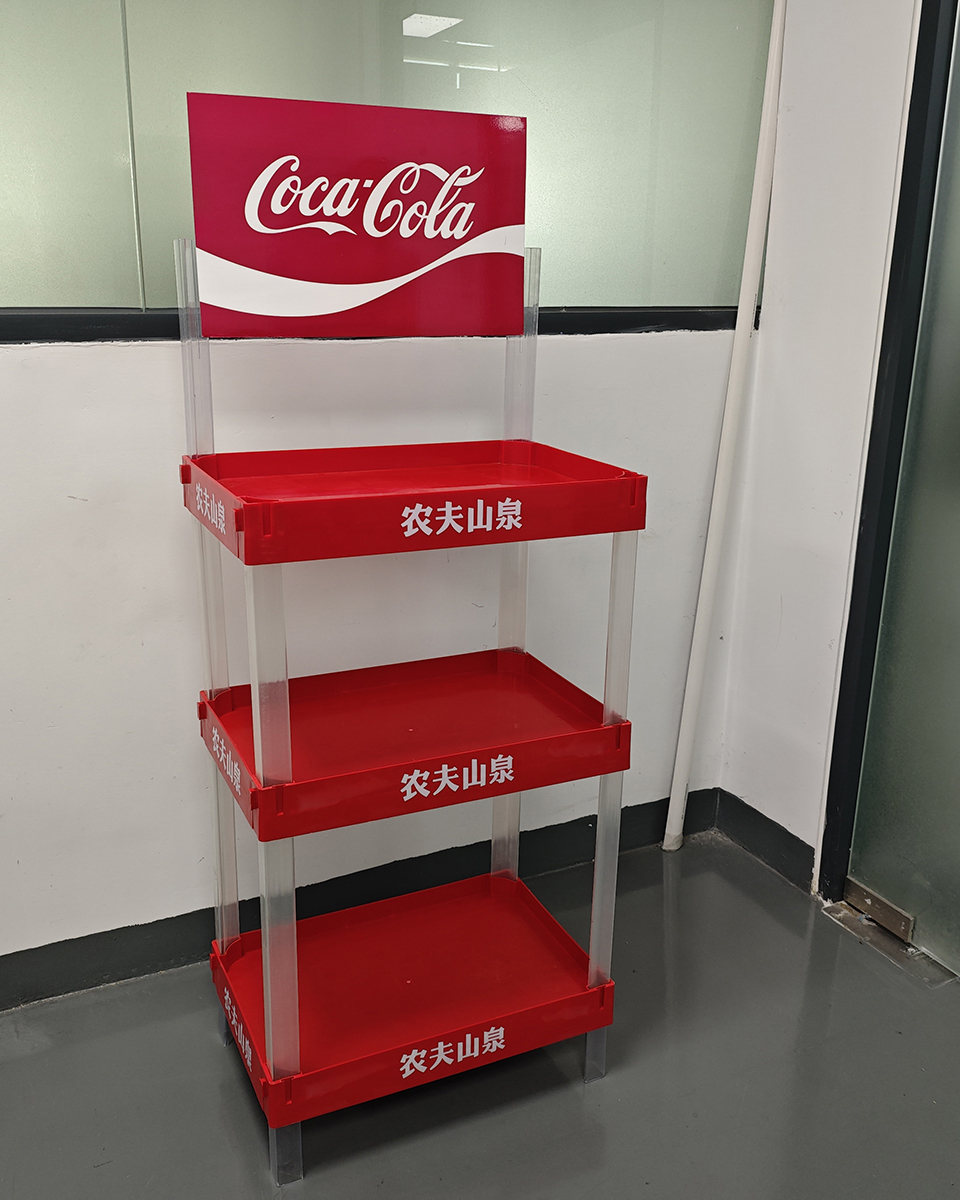
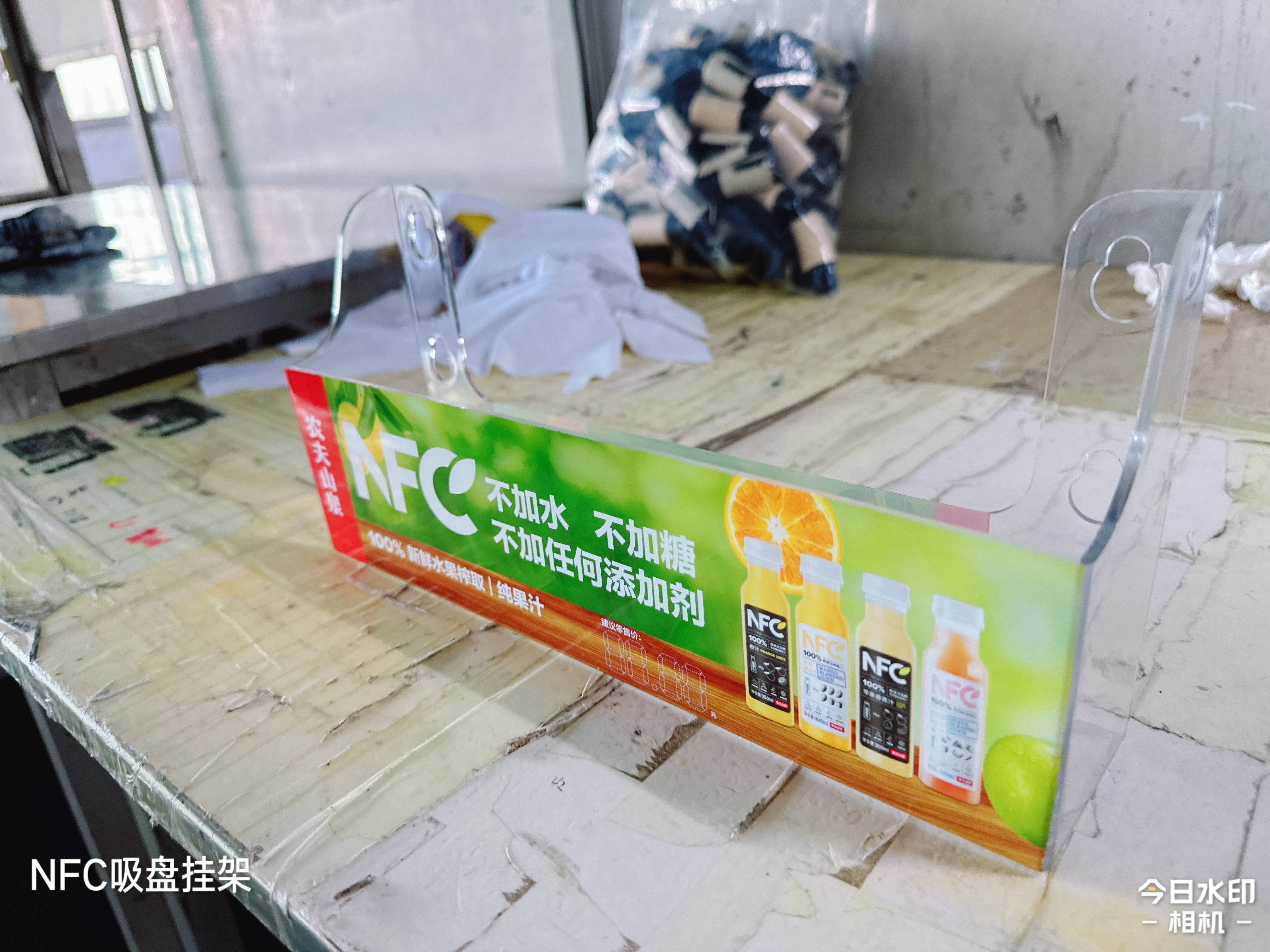
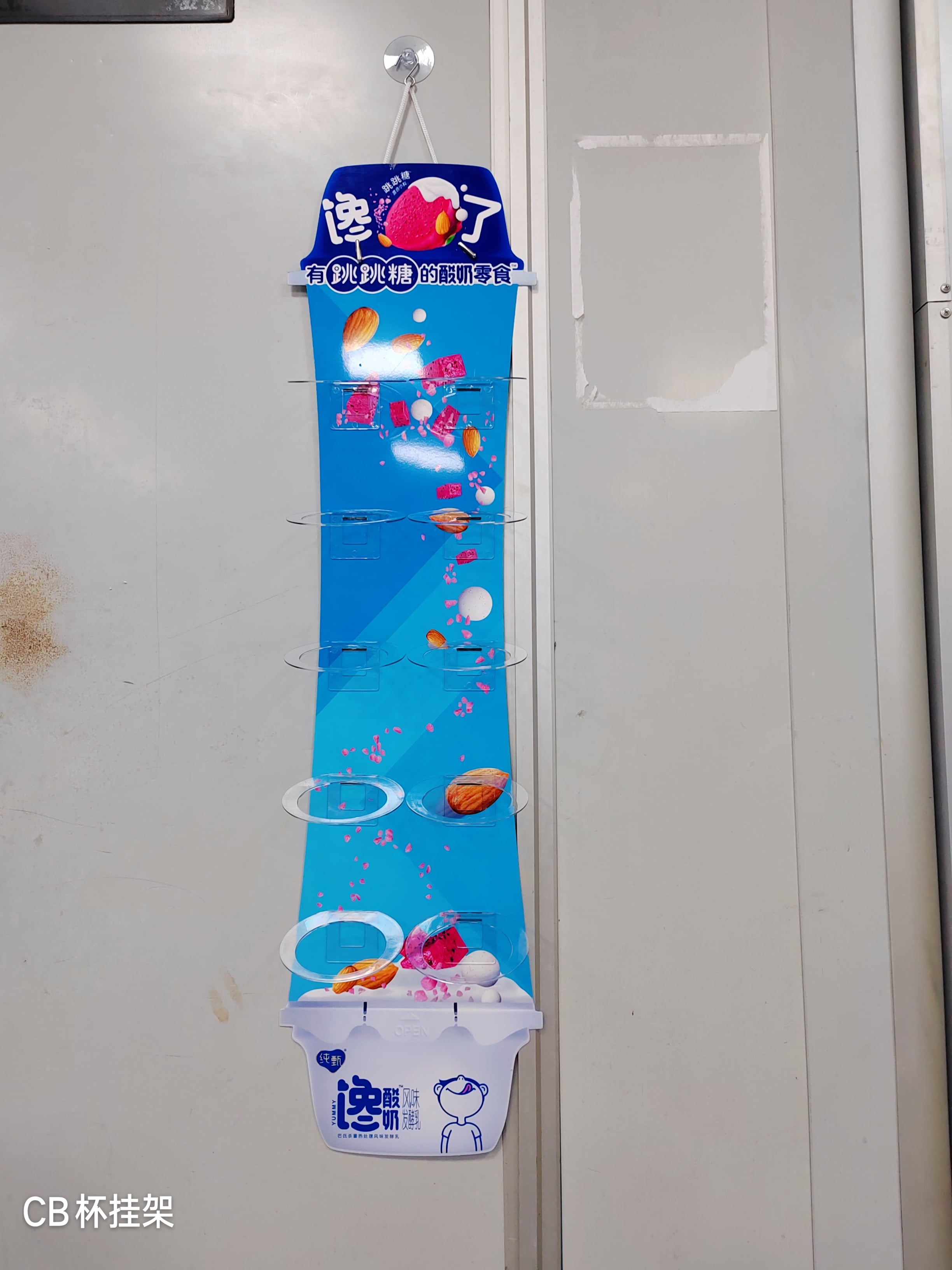
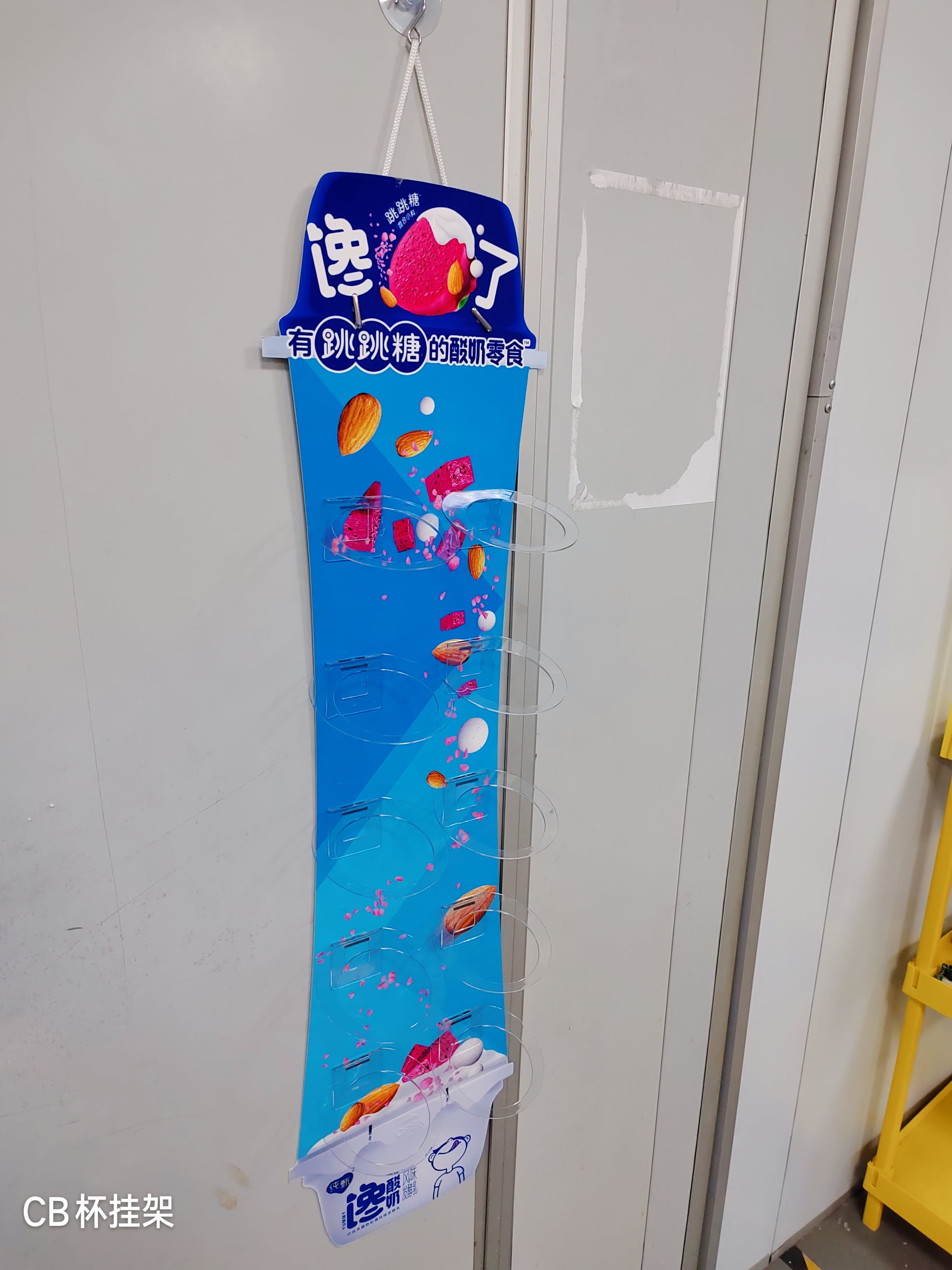
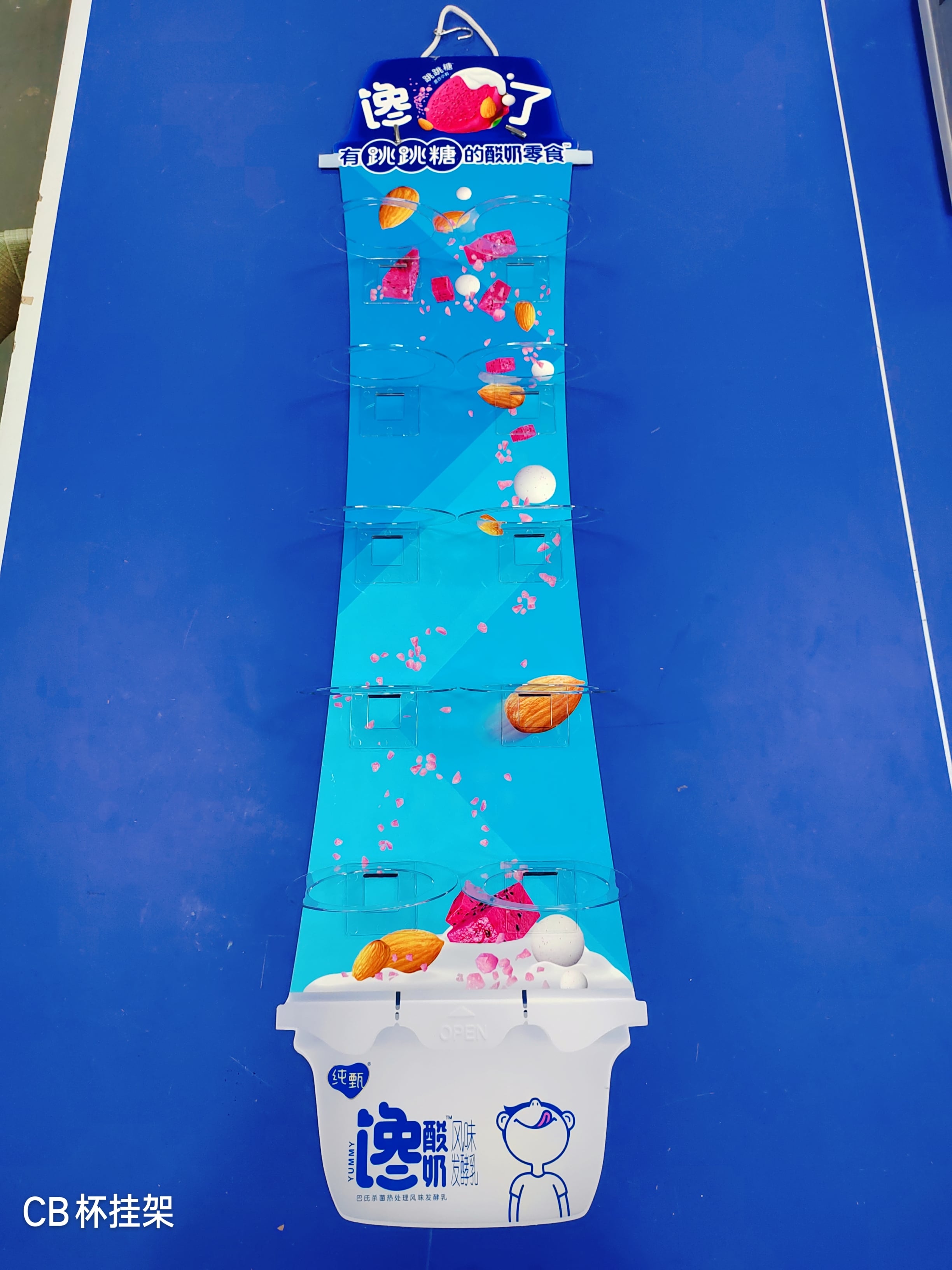
Pop displays marketing is a retail promotion system that uses branded stands, shelves, counters, floor units, posters, screens, and product holders to attract attention at the point of purchase. Pop displays marketing places a product or message where shoppers make decisions, helping brands create visibility beyond standard shelf packaging. The format can support new product launches, seasonal campaigns, clearance events, demonstrations, and everyday sales activity. Pop displays marketing may use cardboard, corrugated board, acrylic, metal, wood, or mixed materials, allowing businesses to choose a design that matches budget, product weight, store style, and campaign length. Modern pop displays marketing can include printed graphics, LED lighting, touch screens, QR codes, digital panels, product sensors, and mobile content. These features can provide product information, collect engagement data, or direct shoppers to online pages. Modular shelves and adjustable hooks also help one unit support different product sizes. Pop displays marketing can be designed for quick assembly, flat-pack shipping, easy replacement of graphics, and simple movement between locations. Some systems also include lockable storage, charging points, wheels, and built-in product testing areas. Applications cover supermarkets, pharmacies, convenience stores, department stores, shopping centers, trade events, showrooms, airports, and temporary brand activations. Pop displays marketing works for food, cosmetics, electronics, beverages, apparel, toys, health products, and household goods. By combining clear messages with convenient product access, pop displays marketing helps turn passing traffic into active interest and purchase opportunities.

Popular Products

The main value of pop displays marketing is practical: it helps a product stand out when shoppers face many competing choices. A well-positioned unit can place a new item at eye level, explain its purpose quickly, and encourage an immediate purchase. Pop displays marketing gives brands extra selling space without requiring a full store redesign. It can also support cross-selling by placing related products, accessories, or trial sizes together. For buyers, pop displays marketing makes product comparison easier. Large headlines, benefit statements, pricing panels, and demonstrations reduce the time needed to understand an offer. Digital elements can answer common questions, show how a product works, or provide a QR code for reviews and detailed specifications. This improves the shopper experience while giving staff a useful sales tool. Pop displays marketing can also create a consistent brand appearance across several stores, helping customers recognize the same campaign wherever they shop. Operationally, pop displays marketing supports fast campaign changes. Lightweight units are easier to ship, install, relocate, and remove than permanent fixtures. Replaceable panels allow a business to update prices, messages, or seasonal artwork without discarding the full structure. Modular parts can reduce storage needs and make future campaigns more economical. Pop displays marketing may also lower staffing pressure because the display communicates key information without requiring constant assistance. Suitability depends on the product, location, traffic level, and campaign goal. A countertop unit suits small items and checkout areas, while a floor display provides stronger presence for larger ranges. A digital model fits products that need explanation, whereas a simple printed stand may be better for a short promotion. Before choosing pop displays marketing, buyers should review dimensions, material strength, assembly time, power needs, maintenance, branding options, and expected campaign duration. This context supports a purchase that balances impact, cost, and daily reliability.

Tips And Tricks

When should you use acrylic display stands in retail?

29

Oct

When should you use acrylic display stands in retail?

Choosing the right moment to implement acrylic display stands in your retail space can significantly influence customer engagement and sales performance. Acrylic display stands offer clarity, durability, and visual appeal that make them a compelling ...
View More
What factors determine counter display cost effectiveness?

29

Oct

What factors determine counter display cost effectiveness?

Understanding what drives the cost effectiveness of a counter display is essential for retail businesses seeking to maximize their marketing investment. A counter display serves as a powerful point-of-purchase tool that captures customer attention at...
View More
How should maintenance costs factor into beverage display choices?

29

Oct

How should maintenance costs factor into beverage display choices?

Selecting the right beverage display for your retail environment requires careful evaluation of multiple factors, and maintenance costs represent one of the most overlooked yet significant considerations in that decision. Many retailers focus exclusi...
View More
What should you consider before buying plastic display stands?

29

Oct

What should you consider before buying plastic display stands?

Selecting the right plastic display stands requires thoughtful evaluation of multiple factors that directly impact your business operations, customer experience, and return on investment. Whether you're outfitting a retail store, setting up an event ...
View More

Get a Free Quote

Share your display requirements and our team will follow up with a suitable direction.
Company Name
Country/Region
Mobile
Email
WhatsApp
Name
Message
0/1000

pop displays marketing

High-Impact Visibility Where Decisions Happen

High-Impact Visibility Where Decisions Happen

Pop displays marketing places products in high-traffic areas such as entrances, aisle ends, checkout zones, and service counters. This location advantage matters because shoppers often make unplanned choices after seeing a clear offer at the right moment. A strong header, contrasting colors, focused product arrangement, and readable price message can guide attention without overwhelming the customer. Pop displays marketing also creates a dedicated visual space, so a smaller brand can compete with larger shelf campaigns. The structure can frame one hero product or present a complete collection, depending on the sales goal. For retailers, this added visibility can support impulse purchases, seasonal demand, and new-item discovery. For manufacturers, it creates a direct communication point that does not depend entirely on package design. By combining placement, brand recognition, and easy access, pop displays marketing helps convert store traffic into measurable shopping interest.
Flexible Designs for Changing Campaigns

Flexible Designs for Changing Campaigns

Pop displays marketing offers flexible formats that can adapt to different products, stores, and promotional periods. A supplier may provide countertop stands, floor towers, dump bins, hanging units, shelf trays, or custom structures. Adjustable shelves, hooks, pockets, and dividers help one display accommodate changing stock without rebuilding the entire unit. Pop displays marketing can also use replaceable graphics, allowing teams to switch from a launch message to a discount, holiday theme, or educational campaign. Flat-pack construction can simplify shipping and reduce warehouse space, while tool-free assembly helps store employees install units quickly. This flexibility protects the buyer's investment because the display can continue working after the first campaign ends. It also supports consistent execution across locations with different floor plans. For businesses that manage frequent promotions, pop displays marketing provides a practical balance between customization, reuse, and speed.
Technology That Supports Engagement and Measurement

Technology That Supports Engagement and Measurement

Pop displays marketing can combine physical presentation with digital tools that make shopping more informative and interactive. LED lighting can highlight a product, while screens can show demonstrations, tutorials, comparisons, or localized messages. QR codes can connect shoppers with product pages, coupons, registration forms, reviews, and social content using their own phones. Sensors may detect interaction, count visits, or trigger content when someone approaches, giving marketing teams useful campaign feedback. Pop displays marketing can also include touch interfaces, sample dispensers, charging features, or secure product testing areas when the category requires hands-on experience. These technologies help explain products that are difficult to understand from packaging alone. Buyers should match the technology to the audience and location, since power supply, connectivity, cleaning, security, and content updates affect operating costs. Used thoughtfully, pop displays marketing improves engagement while providing evidence for future campaign decisions.
Newsletter
Please Leave A Message With Us