 EN
EN

Selecting the right metal display rack for your retail or commercial space requires careful consideration of multiple factors that directly impact both functionality and visual appeal. A well-chosen display system not only showcases products effectively but also enhances customer experience and maximizes sales potential. Understanding the key characteristics and features that define quality display solutions will help you make informed decisions that align with your business objectives and spatial requirements.
Essential Design Considerations for Display Systems
Space Planning and Dimensional Requirements
Proper space planning forms the foundation of effective retail merchandising and requires precise measurement of available floor space, ceiling height, and traffic flow patterns. Modern commercial environments demand display solutions that maximize vertical space utilization while maintaining accessibility for both customers and staff. The ideal metal display rack configuration should accommodate varying product sizes while preserving adequate aisle width for comfortable navigation.
Dimensional flexibility becomes particularly important in dynamic retail environments where product assortments change seasonally or promotional requirements shift frequently. Adjustable shelving systems offer significant advantages by allowing merchants to reconfigure display heights and spacing without requiring complete system replacement. This adaptability proves especially valuable for businesses that handle diverse product categories with varying dimensional requirements.
Structural Integrity and Load-Bearing Capacity
The structural performance of display systems directly impacts both safety and long-term operational costs, making load-bearing capacity a critical selection criterion. High-quality metal construction ensures reliable support for heavy merchandise while maintaining structural stability under continuous use conditions. Commercial-grade materials resist deformation and wear, preserving both functionality and appearance throughout extended service periods.
Weight distribution characteristics vary significantly across different display configurations, requiring careful evaluation of shelf spacing and support mechanisms. Properly engineered systems incorporate reinforcement elements that distribute loads evenly across the entire structure, preventing stress concentration points that could lead to premature failure or safety concerns.
Material Selection and Construction Quality
Steel Grade Classifications and Performance Standards
Material quality represents one of the most significant factors influencing the longevity and performance of commercial display systems. Premium steel grades offer superior strength-to-weight ratios while providing excellent resistance to deformation under normal operating loads. The selection of appropriate steel specifications should consider environmental conditions, expected load requirements, and maintenance accessibility.
Manufacturing processes significantly impact the final product quality, with precision welding and forming techniques ensuring consistent dimensional accuracy and structural integrity. Advanced fabrication methods eliminate weak points commonly found in lower-quality alternatives, resulting in display systems that maintain their appearance and functionality throughout extended service periods.
Surface Treatments and Protective Coatings
Surface preparation and coating application methods directly influence corrosion resistance and aesthetic durability in commercial environments. Powder coating processes provide superior adhesion and coverage compared to traditional painting methods, creating uniform finishes that resist chipping, scratching, and fading. These protective treatments extend service life while maintaining professional appearance standards required in retail applications.
Color selection should complement existing store aesthetics while providing sufficient contrast to enhance product visibility. Neutral tones typically offer the greatest versatility, allowing merchandise to remain the focal point while providing a clean, professional backdrop that supports brand image objectives.
Functionality and Operational Features
Adjustability and Configuration Options
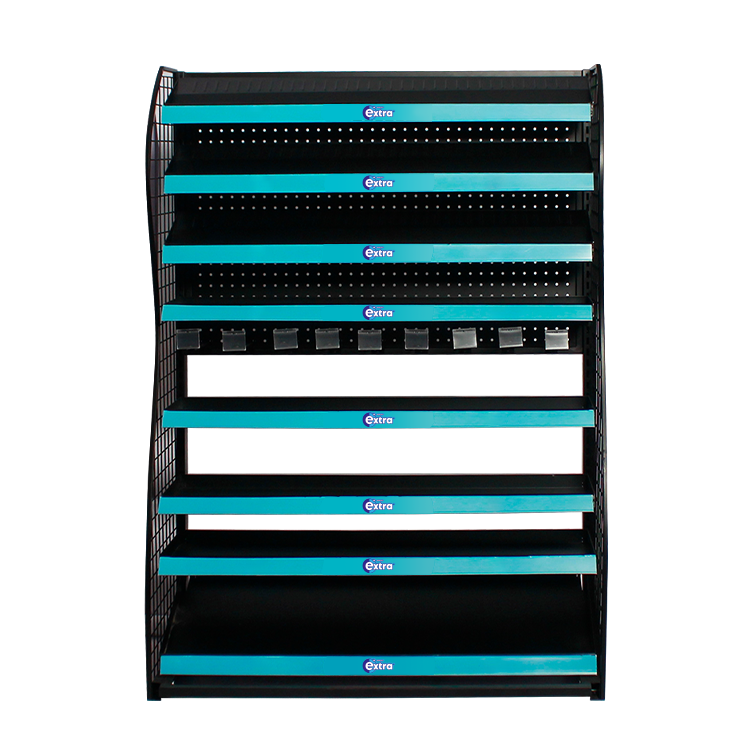
Modern retail environments require display systems that adapt quickly to changing merchandising needs without requiring specialized tools or extensive reconfiguration time. metal display rack systems with tool-free adjustment mechanisms enable staff to modify shelf heights and spacing efficiently, reducing labor costs and minimizing disruption to normal operations.
Modular design principles facilitate future expansion or reconfiguration as business needs evolve. Systems that incorporate standardized connection methods and compatible accessories provide flexibility for creating custom configurations that address specific merchandising requirements while maintaining structural integrity and visual consistency.
Accessibility and Customer Interaction
Customer accessibility considerations must balance product visibility with ease of selection and handling. Optimal shelf heights place frequently purchased items within comfortable reach zones while reserving higher positions for specialty or less frequently accessed merchandise. Clear sight lines throughout the display area encourage browsing behavior and help customers locate desired products efficiently.
Interactive elements such as adjustable hooks, specialized holders, and information displays enhance the shopping experience while providing opportunities for cross-merchandising and impulse purchases. These features should integrate seamlessly with the primary structure without compromising stability or visual appeal.
Installation and Maintenance Requirements
Assembly Procedures and Installation Methods
Installation complexity varies significantly among different display system designs, with some requiring professional assembly while others accommodate straightforward in-house installation. Clear assembly instructions and comprehensive hardware packages reduce installation time and ensure proper system performance from the initial setup. Pre-drilled mounting points and standardized fasteners simplify the process while maintaining structural integrity.
Floor mounting requirements depend on both the system design and local building codes, with some installations requiring permanent anchoring while others utilize weighted bases or friction-fit mounting methods. Understanding these requirements during the selection process prevents unexpected complications during installation and ensures compliance with safety regulations.
Long-Term Maintenance and Service Considerations
Routine maintenance requirements influence total ownership costs and operational efficiency over the system's service life. Well-designed metal display rack systems require minimal maintenance beyond periodic cleaning and occasional hardware inspection. Accessible connection points and replaceable components facilitate service procedures without disrupting adjacent display areas.
Replacement part availability ensures continued system performance throughout extended service periods, making manufacturer support and warranty coverage important selection criteria. Established suppliers with comprehensive parts inventory and technical support capabilities provide greater long-term value than alternatives with limited service infrastructure.
Cost Analysis and Value Considerations
Initial Investment and Budget Planning
Cost evaluation requires comprehensive analysis of both initial purchase price and long-term operational expenses to determine true system value. Premium display systems typically command higher initial costs but offer superior durability, functionality, and appearance retention that justify the investment over extended service periods.
Budget planning should account for installation costs, accessories, and potential modification requirements to avoid unexpected expenses during implementation. Volume pricing opportunities may be available for large installations or multi-location deployments, making supplier negotiation an important factor in final cost determination.
Return on Investment and Performance Metrics
Display system performance directly impacts sales results through improved product presentation, enhanced customer experience, and optimized space utilization. Properly selected systems increase merchandise visibility, facilitate product comparison, and encourage impulse purchases that contribute to revenue growth and improved profit margins.
Operational efficiency improvements including reduced restocking time, simplified inventory management, and decreased maintenance requirements provide additional value that extends beyond direct sales impact. These benefits accumulate over time, making quality display systems valuable investments in operational excellence and customer satisfaction.
FAQ
What weight capacity should I expect from a commercial metal display rack
Commercial metal display rack systems typically support between 150 to 500 pounds per shelf level, depending on construction quality and shelf spacing. Heavy-duty models designed for industrial applications can accommodate significantly higher loads, while lighter configurations suit general retail merchandise. Always verify load ratings with manufacturers and consider safety factors when planning product placement.
How do I determine the optimal shelf spacing for my products
Optimal shelf spacing depends on product dimensions, packaging requirements, and customer accessibility needs. Generally, allow 2-4 inches of clearance above the tallest products on each shelf level to facilitate easy removal and replacement. Consider adjustable systems that accommodate seasonal merchandise changes and varying product assortments throughout the year.
What maintenance is required to keep metal display racks in good condition
Regular cleaning with mild detergent and periodic inspection of connections and mounting hardware typically suffice for most metal display rack systems. Check for loose fasteners, worn components, or signs of overloading quarterly. Address any structural concerns immediately to prevent safety issues and maintain optimal system performance throughout the service life.
Can metal display racks be reconfigured after initial installation
Most modern metal display rack systems feature modular designs that facilitate reconfiguration without requiring complete replacement. Adjustable shelf positions, interchangeable accessories, and expandable frameworks allow merchants to adapt displays as business needs evolve. Choose systems with standardized components to maximize future flexibility and expansion options.